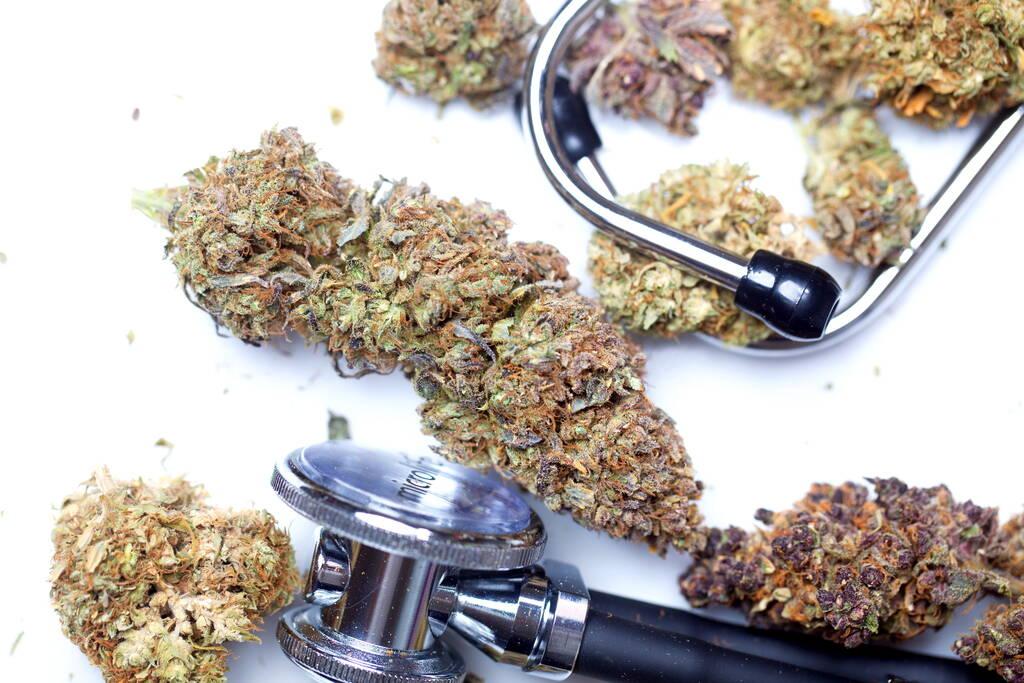
Most oncologists, anesthesiologists and neurologists in Greece view medical marijuana positively, but relatively few are familiar with its use or knowledgeable about potential contraindications, according to a study published in Archives of Hellenic Medicine.
Researchers from the National and Kapodistrian University of Athens and the University of Crete surveyed 183 physicians, including 60 anesthesiologists, 60 neurologists and 63 oncologists.
The anonymous cross-sectional survey was conducted from October 2024 through January 2025. Participants answered questions about their attitudes toward medical marijuana, its potential medical applications, contraindications and whether they believed additional education was needed.
The majority of participants considered medical marijuana to be a legitimate treatment and supported its use for managing certain medical conditions. Researchers found no statistically significant overall differences in attitudes among the three specialties.
However, familiarity with medical marijuana remained limited. Just 35% of neurologists, 30% of anesthesiologists and 12.7% of oncologists said they were familiar with its use.
Physicians also performed poorly when asked to identify potential contraindications. On a knowledge scale ranging from zero to 100, anesthesiologists received an average score of 19, neurologists scored 20.2 and oncologists scored 15.5. The differences among the specialties were not statistically significant.
“Overall, it emerged that the participants were positive towards [medical cannabis] and believed in its effectiveness in specific diseases and symptoms,” researchers said. “However, they remained hesitant due to the lack of education and reported that they wanted to be informed more extensively.”
Researchers found few differences when doctors were asked about medical marijuana’s usefulness for particular conditions and symptoms. One exception involved muscle spasms, with 75% of neurologists considering marijuana useful compared with 52.4% of oncologists.
More negative attitudes toward prescribing medical marijuana were significantly associated with lower knowledge scores. Physicians with more negative views were also more likely to express interest in receiving additional information.
The authors said the findings highlight a need for expanded medical education so physicians can confidently discuss medical marijuana, properly evaluate patients and manage possible interactions or adverse effects.
Sponsors: