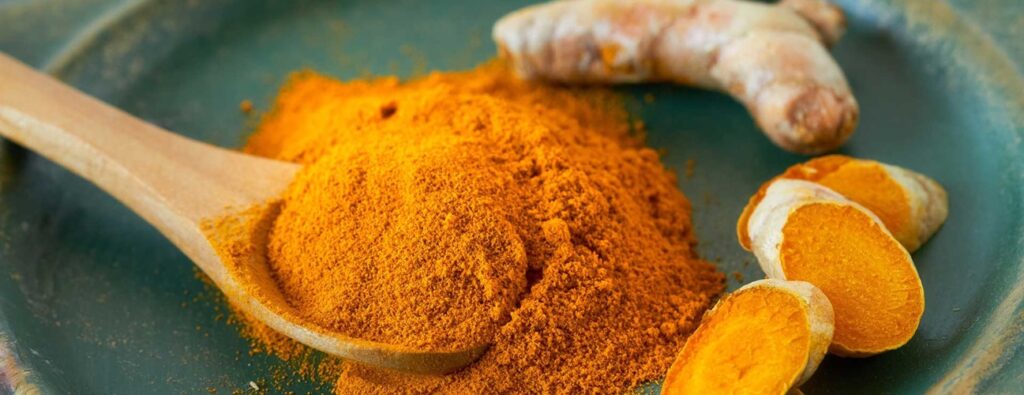
New research published in the Journal of Nutritional Biochemistry finds that tetrahydrocurcumin, a major metabolite of turmeric, may hold significant potential as a natural treatment for obesity by regulating gut microbiota and lipid metabolism.
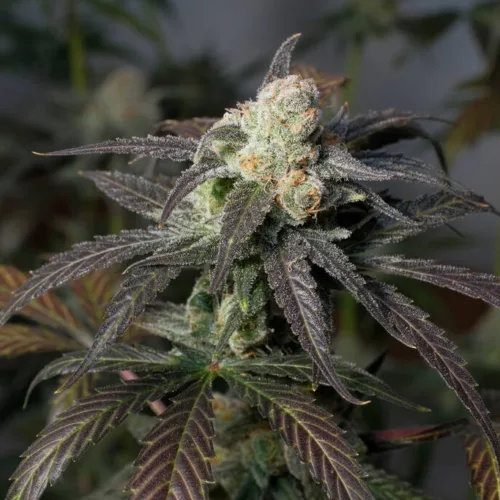
In a series of experiments using glucose-induced obese C. elegans, high-fat diet (HFD) mice, and Hepa1-6 liver cells, researchers from Anhui University found that tetrahydrocurcumin (THC – not related to cannabis-derived THC) significantly reduced lipid accumulation and oxidative stress. In the C. elegans model, THC decreased triglyceride and free fatty acid levels in a dose-dependent manner while enhancing antioxidant activity. In HFD-fed mice, THC reduced fat buildup in the liver, improved liver enzyme markers (AST and ALT), and suppressed oxidative stress.
Mechanistic studies showed that THC downregulated the expression of two key enzymes involved in lipid synthesis—Stearoyl-CoA desaturase-1 (SCD1) and Diacylglycerol O-acyltransferase 1 (DGAT1)—through RT-qPCR and Western blot analyses. These enzymes are both regulated by SREBP-1c, a transcription factor crucial to hepatic lipid production.
Gut microbiome sequencing revealed that THC administration altered microbial composition in the HFD mice, significantly lowering the Firmicutes/Bacteroidetes ratio and Desulfobacterota abundance while increasing levels of short-chain fatty acids (SCFAs), especially butyric acid. These microbial shifts are associated with improved lipid metabolism and energy balance.
The study concludes that THC alleviates obesity through a multifaceted approach—improving gut microbial homeostasis, modulating hepatic fat metabolism, and reducing oxidative stress. With enhanced bioavailability and stability compared to curcumin, THC may offer a promising, natural therapeutic strategy for managing obesity and its related complications.