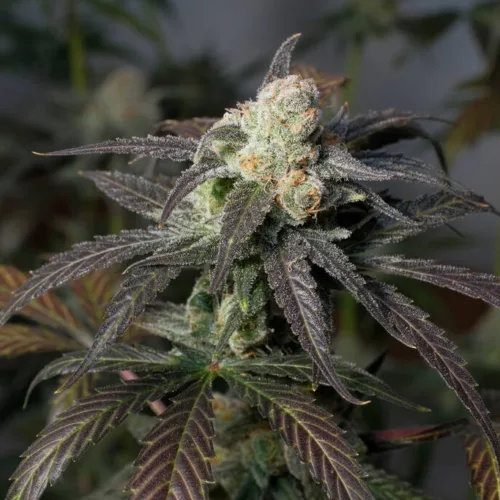
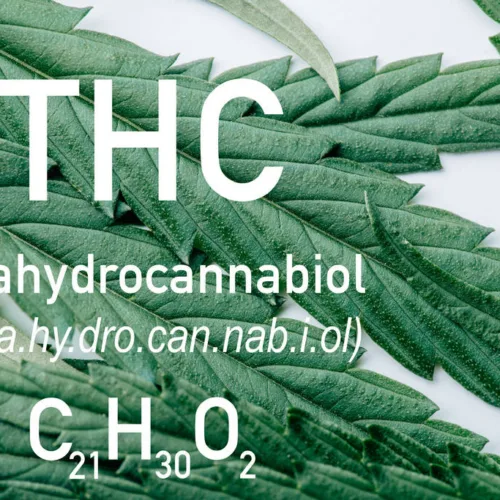
Texas lawmakers are set to return to the Capitol on Monday, July 21, for a special legislative session with a renewed focus on regulating hemp-derived THC products—an issue Governor Greg Abbott placed front and center in the official agenda.
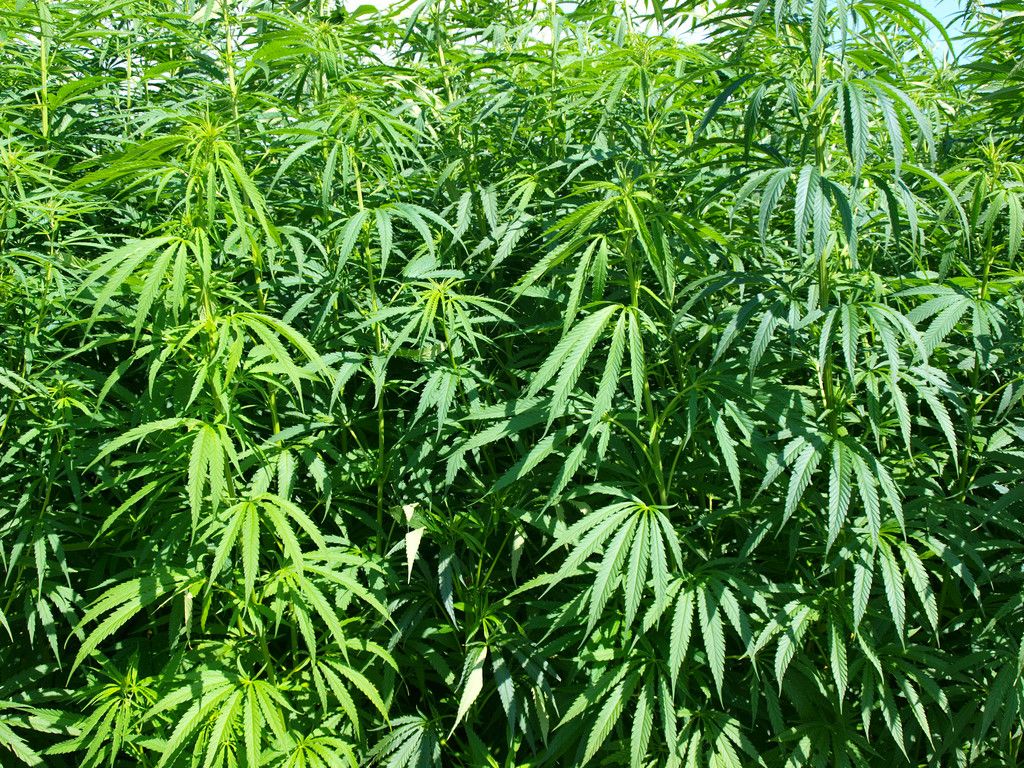
Governor Abbott is calling on the legislature to establish “comprehensive regulations” aimed at hemp-based THC (including compounds like delta-8 and delta-10 THC, THCO, etc.), including limits on potency, restrictions on synthetic modifications, and the development of enforcement mechanisms for those who don’t follow the proposed rules. The governor has stressed the need to balance public safety with the protection of lawful agricultural products, stating that these changes should not amount to a ban on the broader hemp industry.
Also on the session’s agenda is a proposal to make it a criminal offense to distribute hemp-derived THC products to anyone under 21. These priorities follow Abbott’s June veto of HB 3948, a bill that would have effectively banned consumable hemp products containing even trace amounts of THC. That measure drew fierce opposition from farmers, small businesses, and patient advocates, who said it would have crippled the state’s multi-billion dollar legal hemp market.
In his veto statement, Abbott said a more measured approach was needed—one that curbs abuse and misuse without punishing responsible producers and consumers. He committed to revisiting the issue during a special session, where lawmakers could consider a more targeted regulatory strategy.
Rather than prohibit hemp THC products entirely, the proposals expected to be debated include THC caps, enhanced labeling requirements, and a regulatory framework aimed at preventing sales to minors and cracking down on high-potency synthetic cannabinoids.
For now, Texas’s hemp-derived product market remains legal but largely unregulated. That could soon change as legislators look to strike a compromise between protecting public health and preserving a growing agricultural industry.