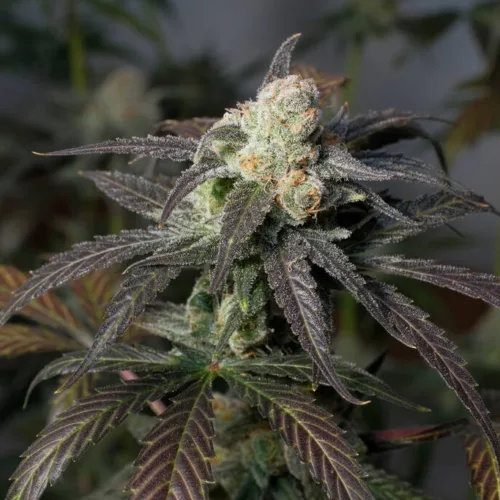
A study from Washington State University, published in Cannabis and Cannabinoid Research, reveals that not only age and sex but also the choice of carrier oil influence how vaporized marijuana affects physiology and behavior.
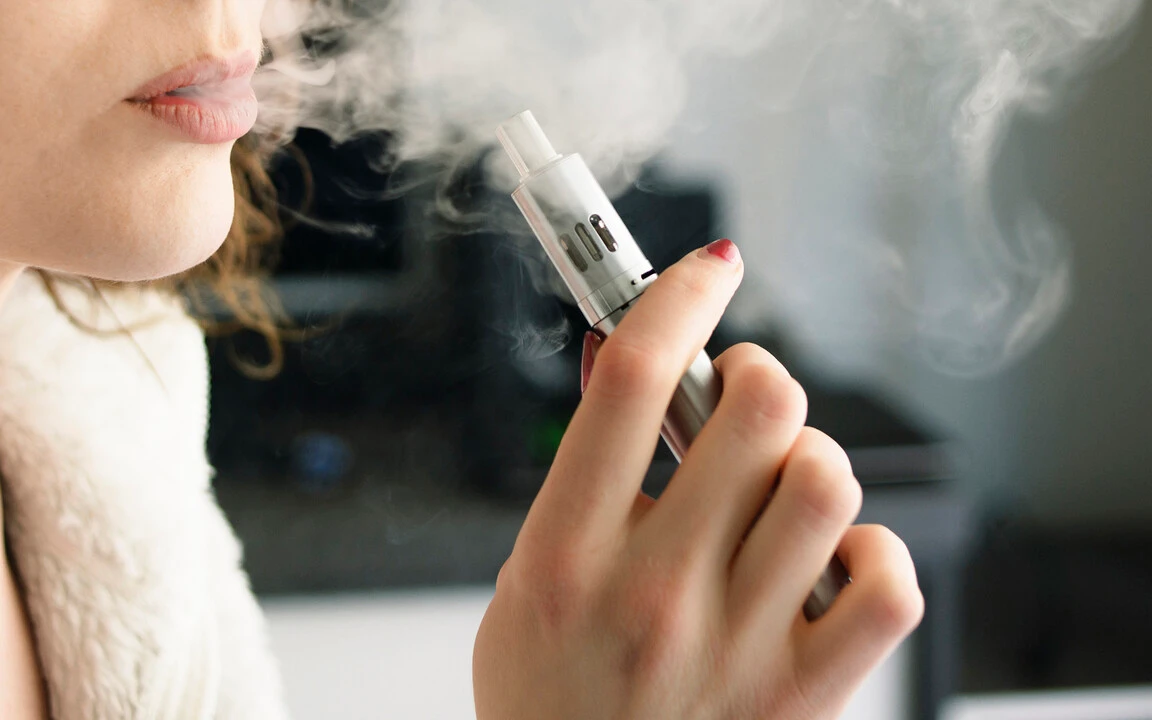
In a large study of 414 mice, researchers looked at both adolescents and adults, split evenly between males and females. The animals were given vapor from whole-plant marijuana extract at two different strengths, mixed with either polyethylene glycol (PEG) or the more common propylene glycol/vegetable glycerin (PG/VG) blend. After exposure, scientists measured changes in body temperature, pain response, and activity levels, while also taking blood samples at 0, 30, and 60 minutes to track THC and its breakdown products.
One of the study’s biggest revelations, according to researchers, is that the carrier oil matters. Cannabis extracts diluted in PEG led to higher and more consistent plasma THC levels than those in PG/VG. Many plasma samples from the PG/VG groups fell below detection limits. Chemical analysis confirmed that THC solubility was greater in PEG and that e-liquids with PEG retained more THC post-mixing. As a result, the PEG condition produced robust, dose-dependent hypothermia, increased pain threshold (antinciception), and locomotor suppression in almost all groups, whereas PG/VG often failed to elicit consistent behavioral effects.

When PEG was used, age and sex differences appeared more clearly. Adults, especially adult males, reached higher peak THC levels immediately after exposure compared to adolescent males. In behavioral tests, adults of both sexes displayed locomotor suppression at both doses, while adolescents only showed suppression at the higher dose. Interestingly, despite similar behavioral responses between males and females, plasma analyses uncovered sex differences in metabolism: females generally had slower THC clearance, indicated by delayed peaks in 11-OH-THC and higher levels of the inactive metabolite THC-COOH. Partial correlation analyses (controlling for age, sex, dose, and carrier oil) further demonstrated that higher plasma THC and metabolite levels correlated with greater hypothermic and locomotor effects, and with increased pain-relief responses.
The study did not find age differences for hypothermia or antinociception — the effects were broadly similar in adolescents and adults — but the distinct locomotor difference suggests that adolescent brains may be less sensitive to that particular effect of THC. The authors caution, however, that the timing of behavioral tests (conducted ~20–25 minutes after exposure) and limited plasma sampling may have masked subtler age differences in other effects. Also, they only measured plasma levels, not brain THC/metabolite concentrations, leaving open the possibility of age or sex differences in brain distribution.
Researchers conclude the study by stating:
Overall, the current study adds to a growing number of studies implementing vaporized cannabinoid delivery approaches by revealing that PEG is a more efficient carrier oil compared with PG/VG for studies involving cannabis e-liquids and demonstrating the typical acute cannabinoid-induced behavioral effects in adolescent and adult mice of both sexes. Future work is needed to fully understand the mechanisms contributing to age- and sex-dependent differences in the pharmacokinetics of vaporized cannabis in mice. Further establishing this model in mice will allow future studies to take advantage of the extensive genetic toolkit available in this species for mechanistic investigations.
The study’s full text can be found here.