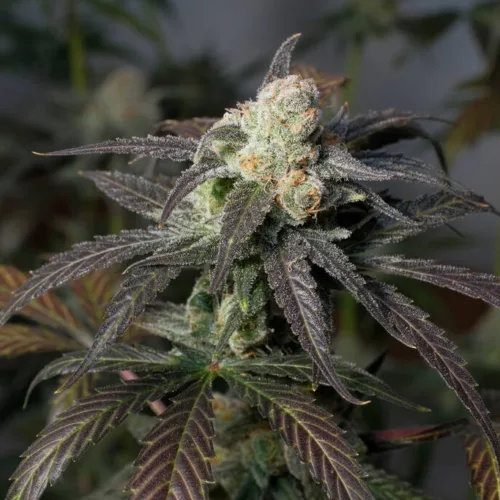
Ohio House Republicans are preparing to introduce legislation that would allow stores and breweries to sell THC-infused beverages while prohibiting nearly all other forms of “intoxicating hemp” products.

The proposal, which was shared with News 5 Cleveland, an ABC affiliate, would also ensure that cities receive tax revenue generated by marijuana dispensary sales. The measure comes days after a judge blocked Governor Mike DeWine’s executive order banning hemp-derived THC.
DeWine issued the order last week, saying lawmakers had failed to act on hemp regulation. He argued that unregulated hemp products, often sold in gas stations and smoke shops without age restrictions, pose risks to children. “Frankly, the legislature had not taken action,” DeWine said. But on Tuesday, a judge issued a temporary restraining order halting the ban.
House Speaker Matt Huffman (R) said Republicans remain divided on the issue.
“There are three groups,” Huffman explained. “The folks who believe marijuana should be legalized and regulated, others who think hemp products should be on equal standing with everything in the initiated statute, and then you have folks, like me, who are prohibitionists. I would say the prohibitionists have largely lost this discussion.”
Representative Jamie Callender (R), who has led marijuana policy efforts in the House, confirmed that the upcoming bill will focus heavily on beverages.
“It will have a pretty complete ban other than the beverages, but it’s a temporary ban while some rules are being developed,” Callender said, noting the draft also includes restrictions on advertising so products don’t target children.
The bill also seeks to resolve an ongoing dispute over marijuana tax revenue. Although voters approved legalization with the expectation that cities hosting dispensaries would benefit financially, local governments have yet to see those dollars.
“On the marijuana side, [we’re] making sure the tax dollars get to the local governments the way we had promised, the way the voters had promised, and the way local governments had expected,” Callender said.
But the Senate, led by President Rob McColley (R), has resisted the House’s approach. Senators pulled out of a summer compromise in part over disagreements about how marijuana tax money should be distributed.
“The Senate’s already spoken,” McColley said. “At this point, we just got to see what the House is willing to do.”
Lawmakers are expected to file the amended bill next week, with House leaders aiming to send it to the Senate as early as Wednesday.
“They can either accept it or not accept it,” Callender said. “If they don’t, it’ll go to conference committee, and it will force the chambers to work the issues out.”