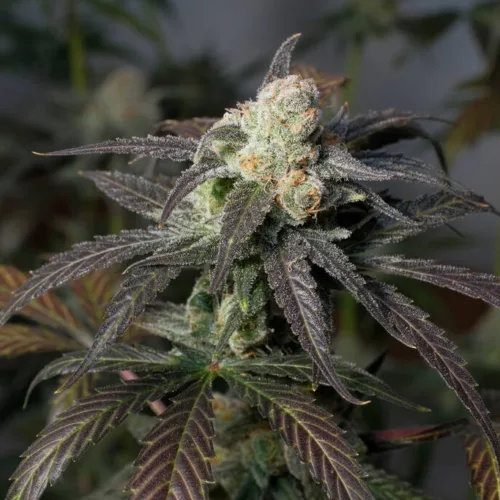
A new analysis of controlled-environment hemp cultivation reports that higher light intensity during flowering can substantially increase both biomass and cannabinoid output, offering growers clearer guidance on how to maximize CBD yields.

The findings come from researchers in South Korea who examined how different LED levels affect plant development and the biochemical pathways responsible for producing key cannabinoids.
The study evaluated hemp plants grown under three white-light LED intensities, 200, 400, and 600 μmol·m-2·s-1, over a 35-day flowering period. Plants exposed to stronger light grew larger across every major category, including stems, leaves, and flowers, showing a steady and linear rise in dry mass as intensity increased.
Cannabinoid levels followed the same pattern. The researchers found marked increases in cannabidiol, cannabidiolic acid, and tetrahydrocannabinolic acid at higher intensities, with the strongest output recorded at 600 μmol·m-2·s-1. Total CBD content rose nearly 37% when comparing the lowest and highest intensity settings, and CBD yield per plant continued to climb across the full lighting range.
Gene-expression tests offered a clear explanation: key genes along the plant’s cannabinoid-production pathway became more active under stronger light. That included a notable rise in cannabidiolic acid synthase, the enzyme directly responsible for converting precursor compounds into CBD.
According to the researchers, the results indicate that 600 μmol·m-2·s-1 is a highly effective LED setting for boosting CBD production during flowering. The findings give indoor and greenhouse cultivators new data-backed benchmarks as they work to fine-tune environmental conditions for commercial hemp production.