If you’ve been watching the cannabis seed market over the past few years, one trend is impossible to ignore: autoflowers are everywhere. Growers who once swore by photoperiod strains are quietly switching.
Beginners are skipping traditional cultivation entirely. And seed banks are dedicating more and more shelf space to autos than ever before. So what’s actually driving this? And is the reputation autoflowers have built genuinely deserved in 2026?
From faster growth cycles to easier cultivation, autoflowers are changing how many people approach cannabis growing and redefining what modern growers expect from their seeds.
What Makes Autoflowers Different
The key difference between autoflowering strains and traditional photoperiod cannabis is how they trigger flowering. Photoperiod plants respond to the light cycle, they need a shift to 12 hours of darkness to start producing buds. Autoflowers flower automatically based on age, typically transitioning within 3 to 4 weeks of germination regardless of how many hours of light they receive.
That trait comes from Cannabis ruderalis, a hardy subspecies that evolved in harsh, short-summer environments in northern Russia and Central Asia. Breeders have spent the last two decades crossing ruderalis genetics with quality sativa and indica lines to produce autoflowering plants that carry genuine potency, flavour complexity, and yield potential alongside the speed and simplicity ruderalis brings.
The result in 2026 is a category of genetics that has comprehensively closed the gap with photoperiod strains, and in some specific advantages, surpassed them.
Why Growers Are Choosing Autos in 2026
Speed from seed to harvest: Most modern autoflowering strains complete their full lifecycle in 8 to 11 weeks from germination. Photoperiod equivalents typically take 3 to 5 months. For growers who want results faster or who want to run multiple cycles in a single growing season, that time saving is transformative.
No light cycle management: Indoor photoperiod growers must switch their lights from an 18/6 vegetative schedule to a 12/12 flowering schedule at precisely the right moment, and keep the growing space light-tight. Autoflowers don’t require this. They flower regardless of light schedule, which simplifies setup significantly and eliminates light-leak risk.
Compact plant structure: Most autoflowers stay under a metre tall, making them well-suited to small indoor tents, discreet balcony grows, and setups where height is a constraint. For many home growers, this is the deciding factor in choosing autos over photoperiods.
Multiple harvests per season outdoors: Because flowering is triggered by age rather than day length, autoflowering plants can be grown at any time of year where temperatures allow. Outdoor growers in suitable climates can complete two or three full runs in the time a single photoperiod crop would take.
Forgiving for beginners: Autos handle temperature swings, minor nutrient imbalances, and minor grow environment issues more tolerantly than many photoperiod strains. That margin for error matters enormously to first-time growers learning as they go.
How Modern Genetics Changed the Game
The earlier reputation of autoflowering strains for modest potency and limited flavour was accurate for a reason: the first-generation ruderalis crosses sacrificed quality for the autoflowering trait.
That trade-off no longer applies. Years of dedicated breeding have significantly improved potency, terpene profiles, and overall yield. Research on Cannabis sativa autoflowering and hybrid strains highlights how modern breeding has expanded the genetic diversity and performance of autoflower varieties, contributing to improvements in both cultivation characteristics and plant quality. Modern autoflower genetics can produce buds that regularly exceed 25% THC, offer complex and distinctive aromatic profiles, and achieve indoor yields of 500 to 750 grams per square metre under good growing conditions.
As a result, today’s top autoflower varieties are widely regarded as capable of matching the quality of many photoperiod strains, making them a practical choice for growers seeking both convenience and high performance.
Choosing Quality Genetics Matters
Not all autoflowering seeds are equal. The wide variation in auto quality comes from breeding decisions: how stable the lineage is, how many generations of selection went into the strain, and whether the genetics have been tested in real growing environments rather than just on paper.
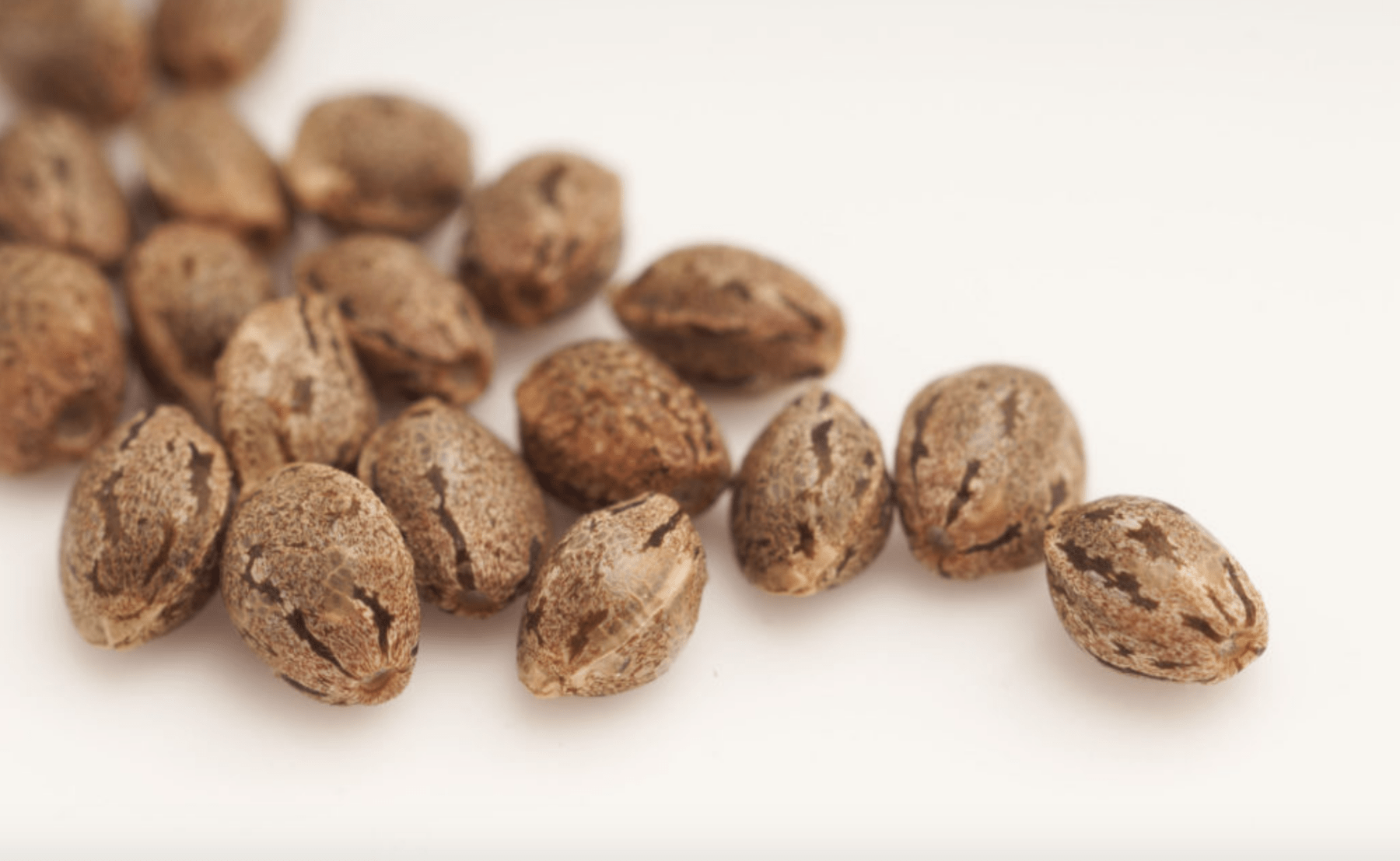
Well-curated autoflower cannabis seeds from a reputable source come with documented lineage, consistent performance across grows, and selection based on real-world results rather than theoretical projections.
This is reflected in seed banks such as Sacred Seeds, where the autoflower catalogue is selected specifically for performance in Australian growing conditions, including heat tolerance, mould resistance in humid coastal environments, and genetics that finish reliably within the relatively short outdoor growing seasons found across many parts of Australia.
Is an Autoflower Right for Your Grow?
Autos are the obvious choice in several specific situations:
- Limited indoor space where compact plant size is important
- First-time growers who want a more forgiving and straightforward process
- Outdoor growers who want to harvest before late-season humidity causes mould pressure
- Growers who want multiple harvests in a single outdoor season
- Anyone who wants results in under three months from seed
Photoperiod strains still have a place for experienced growers who prioritise maximum yield, phenotype hunting, or mother plant programs. But for the majority of home growers in 2026, autos deliver the best combination of speed, simplicity, and quality available in the current seed market.
Conclusion
The rise of autoflowering seeds isn’t a trend driven by beginner demand alone. It reflects genuine advances in genetics that have made autos a serious choice for experienced growers who care about quality as much as convenience.
In 2026, the question isn’t whether autoflowers are good enough. It’s whether the specific genetics you’re choosing have been bred and selected to perform. Start with quality seeds and the rest of the process is more straightforward than it’s ever been.