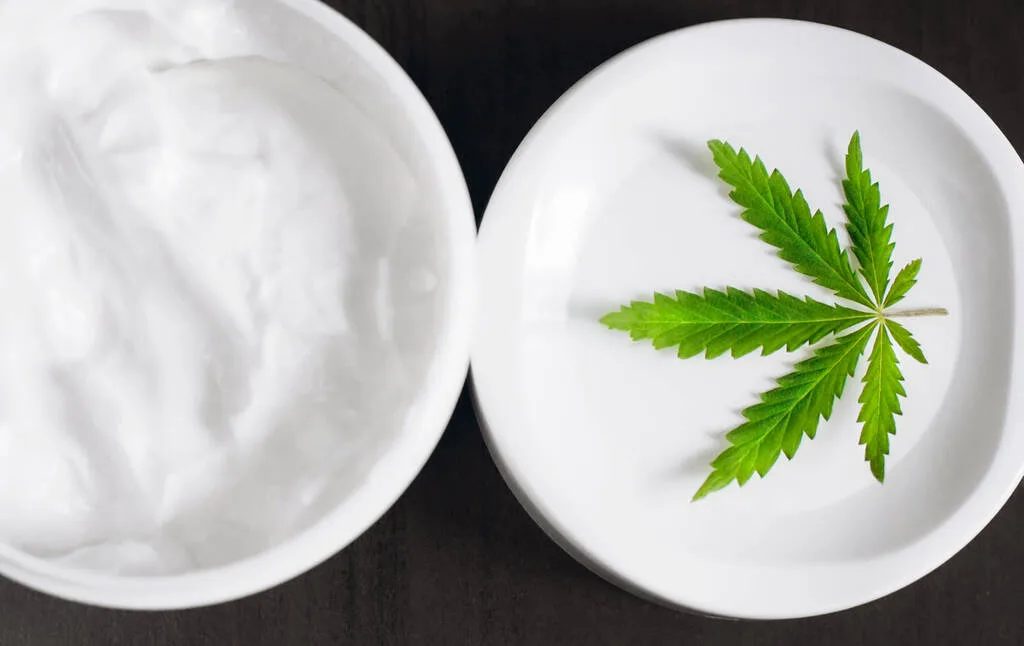
Interest in cannabidiol, better known as CBD, has expanded well beyond tinctures and gummies. One of the most visible areas of growth has been topical products, including creams, balms, salves and gels designed to be applied directly to specific areas of the body.
Among the consumers exploring these products are people experiencing nerve-related discomfort.
Burning, tingling, sensitivity and other uncomfortable sensations associated with peripheral neuropathy can significantly affect quality of life. That has generated growing interest in whether cannabinoids, including CBD, may have a role in managing discomfort.
Scientific research has produced some intriguing findings, but the evidence remains limited. For consumers, understanding the difference between promising research and proven medical treatment is particularly important.
Why Researchers Are Interested in CBD and Neuropathic Pain
CBD is one of the many compounds found in cannabis. Unlike THC, cannabidiol is not generally associated with the intoxicating “high” produced by marijuana.
Researchers have investigated cannabinoids across numerous areas of medicine, including chronic and neuropathic pain.
The Marijuana Herald has previously reported on preclinical research examining CBD in chemotherapy-induced neuropathic pain. In that study, researchers working with mice found effects involving inflammatory signaling and the endocannabinoid system.
Findings from animal research, however, cannot automatically be assumed to produce the same results in humans.
Human research involving topical CBD is considerably more limited, although at least one small clinical trial has attracted attention.
A Small Human Trial Produced Interesting Results
A randomized, placebo-controlled study published in Current Pharmaceutical Biotechnology examined topical CBD in 29 people experiencing symptomatic peripheral neuropathy.
Fifteen participants received a topical product containing CBD while 14 received a placebo. The trial lasted four weeks. Researchers reported statistically significant reductions in several measures, including intense pain, sharp pain, cold sensations and itching in the CBD group compared with placebo.
The results are noteworthy, but so is the size of the study.
Twenty-nine participants constitute a very small clinical trial. Larger, independently replicated studies would be necessary before strong conclusions could be drawn about the effectiveness of topical CBD for peripheral neuropathy.
That’s an important distinction for consumers.
Promising evidence is not the same thing as established evidence.
Why Topical CBD Attracts Consumer Interest
The appeal of a topical product is easy to understand.
Rather than consuming a product orally, consumers can apply a cream, balm or gel directly to an area where they are experiencing discomfort.
That has helped create an increasingly diverse topical CBD market.
Products now vary considerably in CBD concentration, container size, texture and formulation. Some contain only CBD, while others combine cannabinoids or include ingredients such as menthol that create noticeable cooling or warming sensations.
Consumers researching a CBD balm for nerve pain may therefore encounter products ranging from relatively low-concentration lotions to much stronger formulations specifically designed for localized application.
But potency alone doesn’t determine whether a topical is appropriate for an individual.
Understanding What the Label Actually Says
One of the difficulties consumers face when comparing CBD topicals is understanding potency.
A product advertised as containing 1,000mg or 5,000mg of CBD, for example, generally refers to the total amount contained in the package rather than the amount delivered with each application.
Container size matters as well.
Two products displaying the same total CBD content could have substantially different concentrations if one contains significantly more cream or balm than the other.
Consumers may also want to look beyond the headline CBD number and examine the complete ingredient list.
Menthol, for example, can create a pronounced cooling sensation. Other topical formulations are designed to feel warming. These sensory effects shouldn’t be confused with the effects of CBD itself.
For people with sensitive skin, reviewing ingredients and testing a small area first may also be prudent.
What CBD Topicals Have Not Been Proven to Do
Despite the popularity of CBD, consumers should be cautious about products advertised as treatments or cures for neuropathy.
The U.S. Food and Drug Administration has not approved over-the-counter CBD creams, balms or salves to treat peripheral neuropathy or nerve pain.
In fact, the only FDA-approved drug containing CBD is Epidiolex, a prescription medication approved for seizures associated with certain specific disorders. The agency continues to warn that other CBD products marketed with disease-treatment claims have not been evaluated for effectiveness in the same manner as approved drugs.
That doesn’t mean research into CBD should be dismissed.
It means the evidence needs to be described accurately.
A small clinical trial can justify additional investigation. It cannot establish that every CBD topical will produce the same outcome—or that CBD should replace established medical care.
Neuropathy Has Many Potential Causes
This distinction becomes particularly important because peripheral neuropathy isn’t a single disease with a single cause.
Nerve damage or dysfunction can occur for numerous reasons, including diabetes, certain medications, injuries and other underlying medical conditions.
Someone experiencing persistent numbness, burning, tingling, weakness or unexplained pain should therefore seek medical evaluation rather than relying solely on a topical product.
Identifying the underlying cause can be an important part of determining appropriate treatment.
CBD products may also raise safety considerations. The FDA notes that CBD can interact with medications and that important questions remain about its broader safety profile.
Consumers taking prescription medications should discuss CBD use with an appropriate healthcare professional.
Product Quality Is Another Important Question
Scientific research isn’t the only issue surrounding CBD.
Product consistency has been an ongoing concern within the broader cannabinoid market.
The FDA has previously reported testing CBD products and finding that some did not contain the levels of CBD their labels claimed. The agency has also raised concerns about possible contaminants and inconsistent manufacturing practices.
That makes transparency particularly important.
Consumers comparing topical products can look for accessible third-party laboratory testing, clearly stated cannabinoid concentrations and complete ingredient lists.
They should also be skeptical of extraordinary promises.
A company describing exactly what is in its product is providing useful information. A company promising that its topical will cure a neurological condition is making a very different type of claim.
Where the Research Goes From Here
CBD remains an active area of scientific investigation, and neuropathic discomfort is one of many subjects researchers continue to explore.
The existing research provides reasons for further study, particularly because some early findings have been encouraging.
But significant questions remain.
Researchers still need larger human trials examining different formulations, concentrations, application methods and types of neuropathic discomfort. Longer studies would also help clarify whether reported effects persist over time.
Until substantially more evidence becomes available, CBD topicals are best viewed as consumer wellness products being studied in an area of emerging science—not established treatments for neuropathy.
For consumers interested in trying them, the sensible approach is straightforward: examine the ingredients, look for transparent testing, understand what the CBD concentration actually represents, maintain realistic expectations and seek professional medical guidance for persistent nerve-related symptoms.
The science surrounding cannabinoids continues to evolve.
For CBD and nerve discomfort, the most accurate conclusion today may simply be that the research is interesting enough to continue—but not yet strong enough to settle the question.