A federal judge in Texas has allowed a key portion of a lawsuit against hemp vape manufacturer Delta Munchies to move forward after two smoke shop operators faced felony drug charges and approximately $4.8 million in seized or frozen funds over products they say were improperly labeled.
In a 21-page ruling, U.S. District Judge Sidney A. Fitzwater of the Northern District of Texas determined that Skyrise Forney LLC had sufficiently alleged that Delta Munchies breached an implied warranty by selling hemp-derived vape products that allegedly contained different cannabinoid concentrations than advertised.
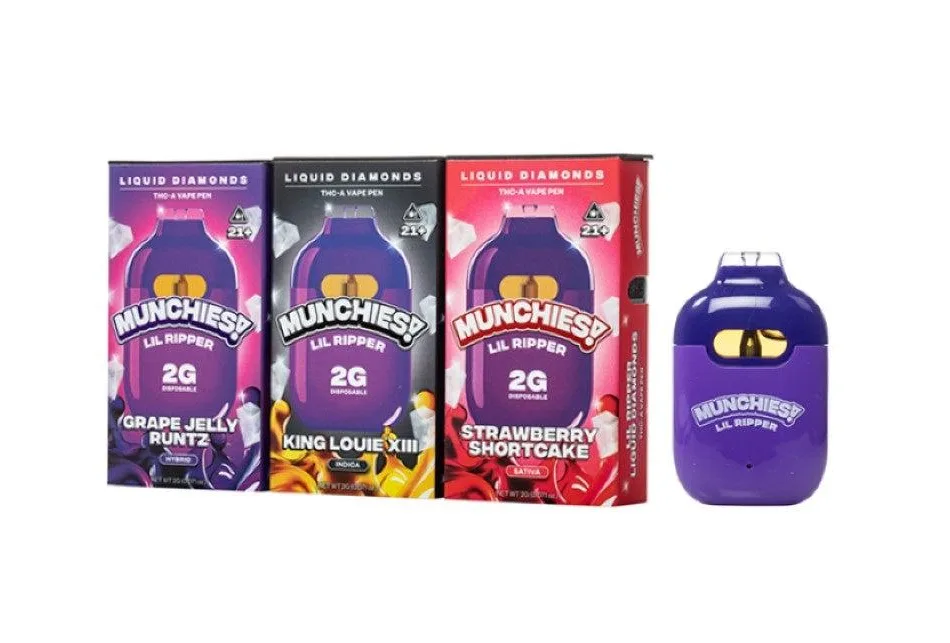
The lawsuit was brought by Abdelhamid Ajak and Feras Ajak, who operate smoke shops in Texas, including a location in Forney through Skyrise Forney LLC. According to court documents, the business purchased 10 units of Delta Munchies’ 2g Lil Ripper Liquid Diamond THCA Vape from Monster Smoke Wholesale in 2025.
The plaintiffs allege that Delta Munchies represented the products as compliant with hemp laws through its packaging, website, labeling and certificates of analysis available through QR codes. They say those representations influenced their decision to purchase the vapes for resale.
However, subsequent testing by law enforcement reportedly found that the products contained THC levels exceeding legal limits. According to the lawsuit, the findings led police to raid the store, seize personal property, seize or freeze approximately $4.8 million and arrest both operators.
The men were charged with first-degree felony manufacture and delivery of a controlled substance, and both eventually pleaded guilty.
The operators and their business subsequently sued Delta Munchies, arguing that inaccurate product labeling and cannabinoid testing information had contributed to the criminal investigation and resulting financial losses.
Delta Munchies requested dismissal of the lawsuit, disputing whether the allegations were sufficient to establish liability under Texas law.
One of the central arguments involved whether a manufacturer could be held responsible under warranty law when a product allegedly contains different substances or concentrations than its labeling indicates.
The company argued that the vapes were still capable of functioning as intended and that the implied warranty of merchantability did not extend to guaranteeing compliance with regulatory requirements.
Fitzwater disagreed with that interpretation at this stage of the case, citing Texas law requiring products to conform to factual promises or affirmations made on their packaging or labels.
The judge found that Skyrise had sufficiently alleged that the products were mislabeled, contained materially different cannabinoid concentrations than represented and could not legally be sold in Texas as advertised.
As a result, the court allowed Skyrise’s implied-warranty claim under the Texas Deceptive Trade Practices-Consumer Protection Act to continue. The company’s express-warranty claim also remains pending because Delta Munchies did not seek its dismissal.
The ruling was not a complete victory for the plaintiffs. Fitzwater dismissed several other claims, including fraud, fraudulent inducement, negligence, negligent misrepresentation and strict product liability.
Among the reasons cited was the plaintiffs’ failure to adequately allege that Delta Munchies knew its representations were false when they were made. Other claims were dismissed because they did not meet separate legal requirements.
The judge also dismissed the individual operators’ claims under the state’s consumer protection law, determining that the company, rather than the two men personally, had purchased the products.
The plaintiffs were given 28 days to submit an amended complaint addressing the deficiencies identified by the court.
Although the case is moving forward in part, the ruling does not determine that Delta Munchies actually mislabeled its products or bears responsibility for the criminal charges and financial losses. Those questions remain unresolved, and the company has not been found liable.
The lawsuit raises broader questions for the hemp industry about the reliance retailers place on manufacturers’ product labeling, laboratory testing and compliance certifications.
For businesses selling hemp-derived cannabinoids, the ruling demonstrates that allegations involving inaccurate THC concentrations and product labeling can support a warranty claim, even when the products otherwise function as intended.
The case is Ajak et al. v. Delta Munchies LLC, No. 3:26-cv-02013, in the U.S. District Court for the Northern District of Texas.