A newly published study finds that the amount of cellular material collected in an oral-fluid sample can substantially affect measured THC concentrations, identifying another source of variability in saliva-based marijuana testing.
The study, published September 18 in the Journal of Analytical Toxicology, examined how buccal cells (epithelial cells shed from the inside of the cheek) influence measurements of delta-9 tetrahydrocannabinol (THC) in oral fluid. Researchers found that THC concentrations were nearly four times higher, on average, in the cell-rich portion of samples compared with the corresponding homogenized samples.
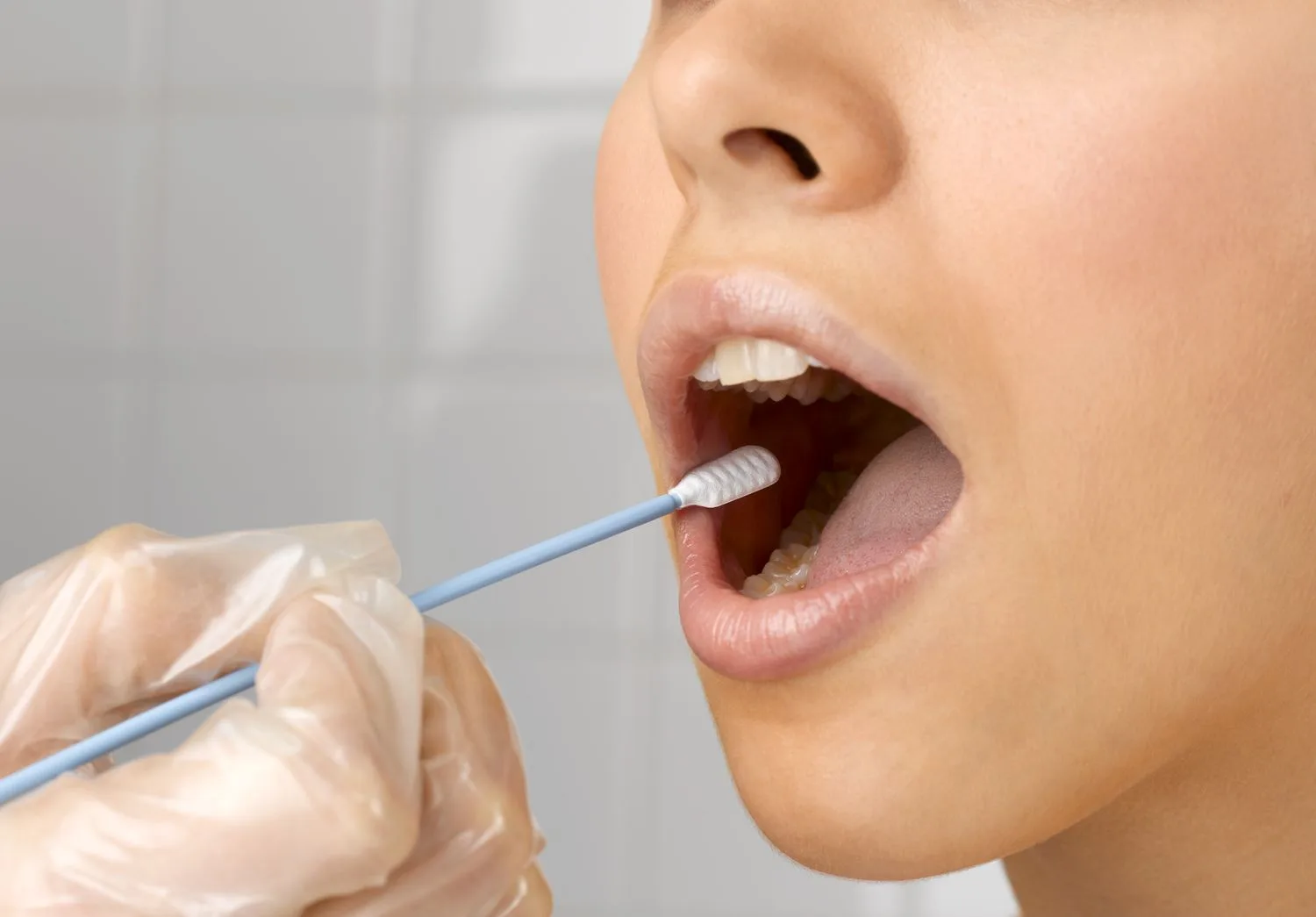
Researchers from Limoges University Hospital in France analyzed 102 THC-positive oral-fluid specimens collected using FLOQSwabs. After collection, the samples were processed into several fractions and analyzed using liquid chromatography-tandem mass spectrometry.
Both buccal cell counts and THC concentrations were significantly higher in the cell-rich pellet than in the homogenized sample. The median enrichment ratio was 4.40 for buccal epithelial cells and 3.93 for THC, meaning the cell-rich fraction contained nearly four times as much measured THC as the homogenized fraction.
Researchers also found a strong relationship between the amount of cellular enrichment and THC enrichment. Among samples with THC concentrations above 5 nanograms per milliliter, correlations ranged from 0.77 to 0.88.
The difference was large enough to affect whether THC was detected at all in some specimens. Four samples had THC levels below the study’s detection limit when the homogenized sample was tested but contained detectable THC in the cell-rich fraction.
The findings indicate that buccal cells can function as a reservoir for THC within oral-fluid specimens. As a result, differences in how much cellular material is collected or retained during sampling may influence the THC concentration ultimately reported by a laboratory.
That issue could be particularly relevant as oral-fluid testing is increasingly used in forensic toxicology and roadside drug testing. The researchers note that measured drug concentrations can depend on conditions occurring before laboratory analysis, including how a specimen is collected and processed.
Importantly, the study did not examine whether saliva testing accurately determines marijuana impairment, nor does it establish that roadside THC tests routinely vary fourfold. Instead, it identifies a specific source of pre-analysis variability that can influence THC concentration measurements made using the collection method examined.
Researchers also tested cocaine and two of its metabolites and found a notably different pattern. Concentrations in the cell-rich and homogenized portions were generally similar, suggesting the strong cellular effect observed with THC was substance-specific rather than a universal feature of oral-fluid drug testing.
For cocaine-related compounds, retention within the collection swab appeared to be more important. Among 52 specimens, the median ratios between material expressed from the swab and the homogenized sample were 1.16 for cocaine, 1.28 for benzoylecgonine and 1.14 for ecgonine methyl ester.
The researchers concluded that pre-analysis effects differ depending on the substance being measured, with buccal cells acting as a reservoir for THC while incomplete release from the swab had a greater effect on cocaine-related compounds.
The study, titled Impact of buccal cell content and swab retention on tetrahydrocannabinol and cocaine concentrations in oral fluid, was published as an accepted manuscript and has not yet undergone the journal’s final copyediting and typesetting process.