Have you ever taken a puff from a cart that tasted burnt, even when the tank still looked full?
Or perhaps your cart gave you weak vapor one day and started leaking the next, leaving you unsure about the cause. Many people blame the oil, but the real problem is often that the reservoir and heating element inside the cart are not working well together.
These two parts depend on each other. The reservoir supplies the oil, while the heating element uses it at a steady rate. When you understand how they work together, you can better understand what is going wrong and choose a cart that delivers smooth, clean vapor.
This article explains how cartridge reservoirs and heating elements work together, including how they share the oil and keep everything working properly.
1. Reservoir Stores Oil Right Beside the Heating Element
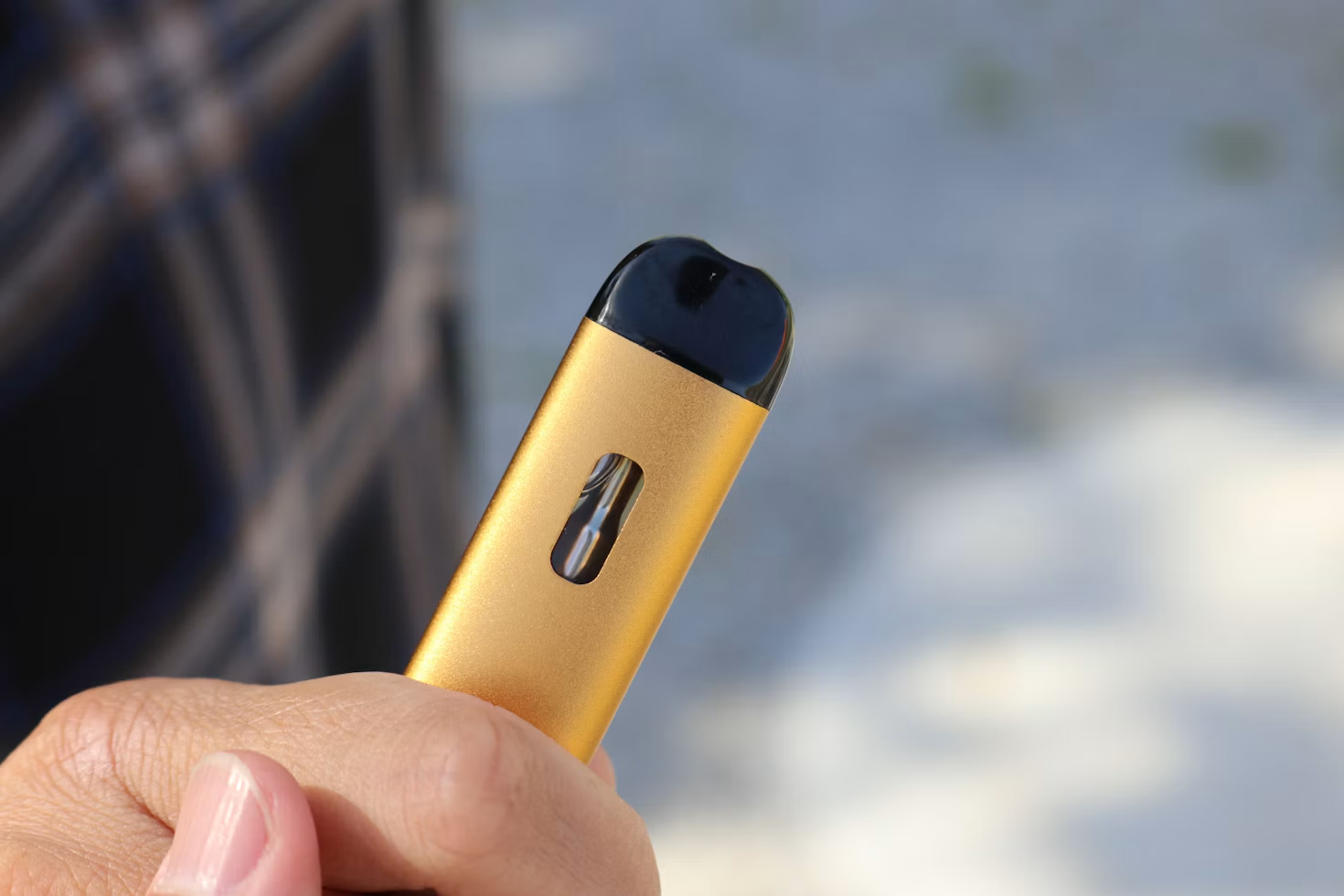
Most THC vape cartridges have two main parts that sit very close to each other. The reservoir is the chamber that holds the oil, while the heating element sits at the bottom of it. This close setup means the oil does not have to travel far to reach the heating element.
Inside the reservoir, a small hollow tube runs through the middle. The oil stays around this tube, keeping it separate from the path your breath follows. This design makes sure that the oil and your breath do not get in each other’s way.
Since both parts sit in a small space, they affect how each other works. Having a full reservoir does not help much if the heating element cannot reach the oil inside it. This means the way these two parts connect plays a big role in the quality of every puff.
2. A Wick or Ceramic Core Moves Oil from the Reservoir to the Coil
The connection between these parts starts with a few tiny holes at the bottom of the reservoir. Oil passes through these holes and reaches a wick or ceramic core. Each hole is made small so the oil moves slowly instead of flowing out too quickly.
A wick is made from soft fibers, while a ceramic core is a hard material with tiny holes inside it. Both work like a paper towel by soaking up oil and moving it toward the coil. This process is called wicking, and it helps keep the coil wet with oil during every puff.
Without a steady supply of oil, the coil may heat a dry area and burn the oil. You will notice this through a strong, burnt taste. This is why a steady flow of oil is more important than having a full reservoir.
3. Coil Heats the Oil It Receives and Turns It into Vapor

Once the oil reaches the coil, the coil starts doing its job. It is a small piece of metal wire that sits against the wick or ceramic core. When you take a puff using a 510-thread battery, electricity flows into the coil and heats it quickly.
This heat changes the oil from a liquid into a fine vapor that you can breathe in. This is different from smoke because nothing is being burned. When the heat stays steady and the oil keeps flowing, the vapor remains smooth.
Every puff uses a small amount of oil, so the coil depends on the reservoir to refill the wick or ceramic core. If the oil does not refill quickly enough, the vapor may become weak or thin. The speed of this process mainly depends on how thick the oil is.
4. Oil Thickness Decides How Well the Two Parts Keep Pace
Thick and thin oils behave differently inside the same cartridge. Thin oils, such as Delta 8 distillate, can move through the tiny holes easily. Thick oils, such as live resin, take much longer to pass through them.
Manufacturers choose the hole size to match the type of oil, helping both parts work at the right speed. If the holes are too small for thick oil, the coil may not get enough oil. However, if the holes are too large for thin oil, too much oil can enter and flood the coil.
Heat also matters because thicker oils often need more heat to turn into vapor. Oils such as THC-P and THCA may also behave differently when used in the same type of cartridge. That is why it is useful to know what type of oil your cart contains.
5. A Balanced Reservoir and Coil Prevent Dry Hits, Leaks and Clogs
When the oil supply and heat work well together, every puff can taste smooth and clean. The reservoir keeps supplying oil to the coil, and the coil heats the oil it receives without burning it. This helps produce steady vapor from the first puff to the last.
Problems begin when these two parts stop working in balance. A dry hit has a burnt taste and means the coil is not receiving enough oil. A clog can happen when thick oil blocks the tiny holes, while a leak can occur when thin oil flows past the coil.
You can follow a few simple habits to help keep your cartridge working properly. Store your cart upright, keep it away from very hot or cold conditions, and take gentle puffs instead of long, strong pulls. These habits give the oil enough time to reach the coil between puffs.
Conclusion
Now that you’ve seen what goes on inside a cart, every puff tells you more than it did before. Smooth vapor is a good sign that the two parts are working well together, and a harsh or weak hit is a hint that something is off.
Next time you shop, read the product details with this in mind. Look for the oil type, the battery fit, and any notes on how the cart is made. Those small details help you pick a cart that you can count on every time.