By
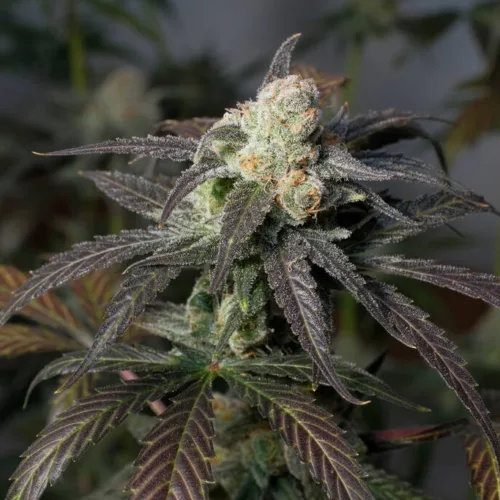
Drying and curing is a critical stage for marijuana cultivators that can make or break the quality of the final product.
Proper drying and curing not only preserves potency and flavor but also improves the safety, shelf life and overall user experience of cannabis flower, cultivation experts told MJBizDaily.
“You can take a really good crop and ruin it really fast with curing and drying,” said Pansey Willcox-Fridley, facilities manager and compliance officer for Green Dragon Extracts in Oregon.
“You can also take not the greatest crop and make it into a better crop.”
From reducing harshness in smoke to enhancing terpene profiles, growers are paying closer attention than ever to these essential post-harvest steps.
Here’s a look at why drying and curing cannabis correctly matters and how the process is evolving with new techniques and technologies:
Harvesting cannabis
Ensuring a quality finished cannabis product starts with the harvest, Willcox said.
Crops that are harvested early in the morning or late afternoon have higher glucose levels, so they taste sweeter.
In the peak heat of the day, cannabis plants will not contain as much glucose.
“It really depends on what you’re looking for in your terpenes or your flavor,” Willcox said. “I like to harvest early or late.”
Louis Samuel, CEO of California-based distribution company Golden State Cannabis, said that when cutting a cannabis plant, he likes to leave a “hook” that allows it to be hung directly on the dry rack to save time.
Harvest is also a good time to remove buds and plant material that show signs of mold or mildew.
Cannabis-drying steps
After the crop is harvested, marijuana can be dried in several ways, including:
- Hang-drying the whole plant.
- Wet-bucking flowers off the plant.
- Drying plants on food-grade drying racks or using industrial drying chambers.
During the drying process, cultivators either hang cut plants that are full of moisture upside down or remove the buds and place them on screens or trays to dry.
During this phase, Willcox recommends reducing the temperature and humidity slowly – about 5 degrees at a time until the room reaches 60 degrees and 60% humidity, which should be maintained for seven to 10 days.
Then, the temperature should be dropped a little more to reach 55 degrees.
“That gives you a long cure, which benefits your final buds,” Willcox said.
“It pulls all the flavor from the stalks and moisture into that bud, preserving the ultimate flavor of the cannabis.”
Samuel of Golden State Cannabis said having ample air flow in the dry room is key to preventing the spread of mold, mildew and diseases.
“You don’t want still air because that can cause mold or stimulate microbial growth,” Samuel said.
“If you already have any, it can exacerbate the problem.”
Evan Erickson, chief training officer at the Denver-based cannabis e-learning platform Green CulturED, said it’s important to have a drying room that’s separated from production areas because any light that enters the room will degrade the chemical qualities when it’s curing.
“You don’t want plants to be dried on the floor,” Erickson said.
“They should be dried on a flat surface or on clothes hangers if you have bigger plants.”
Curing dried cannabis
After the plants are dried and the finished buds are removed and trimmed, they are stored in airtight glass jars or turkey bags to stop the loss of moisture and preserve flavors and aromas.
The curing process takes anywhere from two weeks to a month.
The humidity inside the containers should be between 55% and 65%.
For the first three to four weeks, the containers should be “burped” daily to enable airflow, which allows the aroma of the flower to develop to its maximum potential.
Although curing improves the taste and smell of buds, growers often overlook the process.
“When you’re growing at a large scale, curing is something that’s often pushed to the side,” Samuel said.
“People who are growing in big volumes don’t have the capacity to untie all their finished pounds every day.
“Small farmers have the time and energy to do that, and they care to do that.”
Plants can be tested for potency at any time during the curing process, but Green Dragon’s Willcox cautions that if the flower contains excess moisture, potency values can take a hit.
Drying and curing technologies
Drying and curing systems can help cultivators control cannabis moisture levels.
The goal is to remove enough moisture to prevent microbes from feeding on unbound water but not so much that the flower loses weight, since cannabis flower is sold to consumers by the gram or ounce, said David Sandelman, co-founder of Vermont-based Cannatrol, a drying, curing and post-harvest storage system.
Technology can level out the curing, drying and aging/storage environment, taking the guesswork and risk out of seasonal humidity and temperature swings.
The objective, Sandelman said, is to reach water activity of 0.6 so microbes don’t have unbound water to feed on.
“Once you start drying past a 0.6 water activity, then you’re removing bound water, which is weight on a scale,” Sandelman said.
“Every pint of water a dehumidifier removes is a pound that’s removed from your flower.
“You wouldn’t want to remove one extra molecule of water because it’s lost revenue.”
Keith Saviano, head cultivator at Massachusetts-headquartered Nimbus, said the company’s harvest process has improved significantly during the 2½ years it’s used Cannatrol’s technology, which allows him to “set it and forget it.”
“There is no way to over dry your flower using this tech, removing a worry for most growers.”
Saviano said adding the technology to Nimbus’ post-harvest process has resulted in spiking sales.
“While the terpene makeup and overall weight is mostly handled in the growing process, this tech ensures that none of that work is wasted – my flower tastes amazing every single time.”