Woman With Glioblastoma Enters Long-Term Remission After Using Medical Cannabis, Melatonin, and Ozone Therapy
This compelling case study, published in Integrative Cancer Therapies, recounts a patient with glioblastoma who achieved long-term remission following an integrative treatment involving medical cannabis, melatonin supplements, and ozone therapy.
Topical Use of Cannabigerol (CBG) Shown to Reduce Rosacea Symptoms
Published in Dermatology and Therapy, this study demonstrated that topical application of cannabigerol (CBG) effectively reduced skin redness and inflammation in a rosacea model, highlighting its potential as a therapeutic topical agent for inflammatory skin issues.
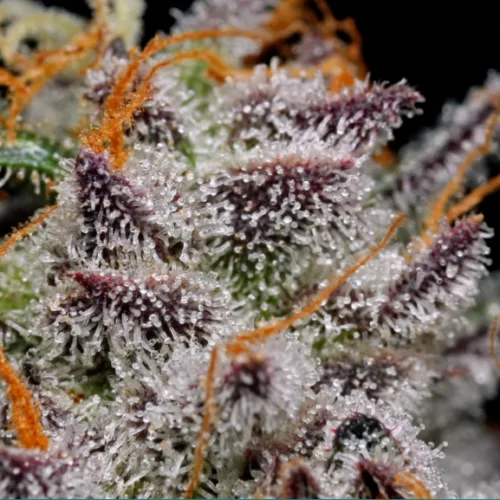
Cooler Temperatures Boost Purple Pigment in Cannabis Without Reducing CBD or Flower Yield
Published in Journal of Cannabis Research, this study found that exposing a purple cannabis cultivar to cooler, constant temperatures (8 °C and 15 °C) significantly increased anthocyanin production—the compound responsible for purple coloration—without reducing flower weight or CBD content. In contrast, variable temperatures produced less pigment, but flower weight and CBD levels consistently rose with warmer cumulative growing conditions.
Most IBD Patients Say Cannabis and CBD Relieve Symptoms; One in Three Report Reduced Opioid Use
Published in Inflammatory Bowel Diseases, this survey revealed that a majority of patients with inflammatory bowel disease (IBD) report improvement in symptoms with cannabis or CBD use. Notably, about one in three respondents also indicated that cannabis helped reduce their opioid consumption.
Medical Cannabis Linked to Improved Quality of Life, Reduced Opioid Use in Patients With Substance Use Disorder
Published in Journal of Substance Abuse Treatment, this study found that individuals with substance use disorders who used medical cannabis experienced enhanced quality of life and were more likely to reduce opioid use compared to those not using cannabis.
90% of CBD Hemp Biomass Becomes Waste, but Anaerobic Digestion Offers a Cleaner Solution
Published in Bioresource Technology, this study highlighted that the majority (90%) of hemp biomass from CBD production ends up as waste. However, converting this waste into bioenergy via anaerobic digestion presents a sustainable alternative, turning byproducts into a clean energy source.
Topical CBD Gel Reduces Migraines and Improves Sleep in People With Bruxism‑Related Muscle Pain
Published in Journal of Clinical Neurology, this clinical trial found that a topical CBD gel significantly reduced migraine frequency and severity in individuals suffering from bruxism-related muscle pain—and also improved sleep quality in affected participants.
Chronic Marijuana Users Display Comparable, Sometimes Better, Decision-Making Than Non‑Users
This research challenges assumptions about impulsivity in habitual cannabis users. In cognitive and physical tasks—including choosing which cup to retrieve in a proactive vs. reactive manner—chronic users performed on par with non-users and often demonstrated more proactive decision-making. Both groups also displayed similar cognitive control in structured tasks, despite users showing lower short-term memory on other assessments.
Cannabis and Psychedelics Rated Most Effective for Eating Disorder Symptoms in Large Survey
Surveying 7,648 individuals with eating disorders across Australia, the U.K., and the U.S., this study found that cannabis and psychedelics were perceived by respondents to be among the most effective treatments for managing eating disorder symptoms—whereas conventional psychotropics were typically viewed as less helpful. The study authors called for further clinical investigation into these substances’ therapeutic potential.
CBD Reduces Inflammation and Redness in Rosacea, Especially When Combined With Antibiotic
In a rosacea animal model, cannabidiol (CBD) significantly reduced skin redness, inflammation, and mast cell infiltration—effects that were enhanced when combined with the antibiotic metronidazole. The study identified suppression of MAPK signaling (ERK, JNK, p38) and reduced proinflammatory cytokine and chemokine production as key mechanisms in CBD’s therapeutic action.
Intranasal CBD Nanocarriers May Improve Seizure Control and Brain Targeting
Published in Nanomedicine, this study found that delivering CBD via intranasal nanocarriers significantly improved seizure control in rodents by enhancing targeting of the brain and accelerating onset of action—demonstrating superior effectiveness compared to conventional administration.
CBD May Block Addictive Effects of Cocaine and Caffeine by Targeting Brain Matrix Genes
Published in Neuropsychopharmacology, researchers found that CBD modulates extracellular matrix-related gene expression in the brain, reducing reward-seeking behaviors tied to cocaine and caffeine exposure—indicating a potential role in curbing addiction.
Strong Majority of IBD Patients Believe Cannabis and CBD Oil Help Manage Symptoms
Published in Inflammatory Bowel Diseases, this survey revealed that most patients with IBD feel that cannabis or CBD oil significantly improves their symptoms, including pain, appetite, sleep, and overall quality of life, with few reporting side effects.
CBD Shown to Ease Parkinson’s Treatment Side Effects Without Hindering Benefits
Published in Progress in Neuro‑Psychopharmacology and Biological Psychiatry, this preclinical study in rats demonstrated that CBD (and a fluorinated derivative) significantly reduced L-DOPA–induced dyskinesia—a motor side effect of Parkinson’s treatment—without diminishing L-DOPA’s therapeutic motor benefits.
Medical Marijuana Use Linked to Lower Emergency and Urgent Care Visits in Chronic Pain Patients, Better Quality of Life
Published in Journal of Pain Management, this study found that chronic pain patients using medical marijuana experienced fewer emergency and urgent care visits and reported improved quality of life. Many users also reduced reliance on traditional pain medications.
THC and CBD Detectable in Breath After Consuming Edibles, Though Patterns Vary Widely
Published in Forensic Chemistry, this research demonstrated that both THC and CBD can be detected in breath following edible consumption. Detection patterns varied significantly depending on dosage, metabolism, and time since intake, raising considerations for breath-based cannabis testing.
Cannabidiol Protects Brain Cells in Parkinson’s Model by Activating Antioxidant Pathway
Published in Neurotherapeutics, this study showed that cannabidiol (CBD) protects neuronal cells in a Parkinson’s disease model by activating the Nrf2-mediated antioxidant defense pathway. The results suggest CBD may offer neuroprotective benefits in neurodegenerative conditions.
Cannabis Use Not Tied to Increased Cardiovascular Events in Older Veterans With Coronary Artery Disease
Published in Journal of Geriatric Cardiology, this study found no association between cannabis use and a higher risk of heart attacks, strokes, or other cardiovascular events among older veterans with coronary artery disease, suggesting it may not elevate cardiac risk in this population.
Passive Cannabis Smoke Exposure Can Contaminate Hair With Detectable THC and CBD Levels
Published in Forensic Science International, this study found that individuals exposed to passive cannabis smoke can have detectable levels of THC and CBD in their hair — potentially impacting the accuracy of hair-based drug tests even without intentional cannabis use.
Hemp Infructescences Found to Be Viable Source of Essential Oils
Published in Industrial Crops and Products, this study demonstrated that hemp infructescences (seeding flowers) yield significant amounts of essential oils rich in terpenes, highlighting their potential as a sustainable and valuable source of aromatic compounds for the wellness and fragrance industries.
Sustainable Hemp–Cotton Blended Yarn Successfully Produced for Knitwear Using Vortex Spinning
Published in Journal of Natural Fibers, this study revealed that vortex spinning technology can produce high-quality yarn from sustainable blends of hemp and cotton—promising a more eco-friendly textile option for knitwear manufacturing.
California Marijuana Legalization Linked to Decline in Heavy Alcohol Use Among Middle-Aged Adults
Published in Substance Use & Misuse, this study found that heavy alcohol consumption decreased among middle-aged Californians following the legalization of recreational marijuana. The findings suggest cannabis availability may influence reductions in alcohol abuse within this demographic.
Strong Majority of IBD Patients Believe Cannabis and CBD Oil Help Manage Symptoms
Published in Inflammatory Bowel Diseases, this survey found that most patients with inflammatory bowel disease (IBD) believe cannabis or CBD oil helps alleviate their symptoms. Respondents reported improved pain relief, appetite, sleep, and overall quality of life with minimal side effects.
CBD Shown to Ease Parkinson’s Treatment Side Effects Without Reducing Benefits
Published in Movement Disorders, this clinical study demonstrated that adding CBD to standard Parkinson’s medications helped reduce motor complications like dyskinesia and overnight symptoms, without diminishing the effectiveness of the underlying therapy.
CBD Treatment Leads to Sustained Seizure Reduction in Focal Epilepsy Patients, Including Those With TSC
Published in Epilepsy & Behavior Reports, this study found that cannabidiol (CBD) treatment significantly reduced seizure frequency in patients with focal epilepsy—including those with tuberous sclerosis complex (TSC)—and maintained these benefits over time. Additionally, many patients were able to reduce their doses of other antiepileptic medications without an increase in adverse events.
Cannabis Use Alone Not Linked to Heart Function Changes in Young Adults, Unless Combined With Nicotine
Published in the American Journal of Preventive Cardiology, this study found that young adult users of cannabis alone showed no significant changes in heart structure or function. However, individuals who used both cannabis and nicotine experienced subtle changes in cardiac performance, suggesting that nicotine may be the driving factor.
Study: CBD Shown to Protect Human Cartilage Cells From Ferroptosis, a Key Contributor to Osteoarthritis
Researchers discovered that CBD can protect human chondrocytes—cartilage cells—from ferroptosis, a form of cell death driven by oxidative stress that is increasingly linked to osteoarthritis. The findings, published in the Journal of Cellular and Molecular Medicine, highlight CBD’s potential as a therapeutic tool for joint degeneration.
Study: CBD and THC, Alone and in Combination, May Reduce Seizure Severity and Brain Inflammation
In preclinical models, both CBD and THC—individually and combined—were shown to lower seizure intensity and reduce neuroinflammation. The combination offered enhanced effects, supporting the potential of cannabinoid-based therapies in epilepsy management. This study was published in the journal Pharmaceuticals.
Study: THC-Dominant Cannabis Use Linked to Long-Term Relief From Anxiety and Depression
A study published by the Journal of Affective Disorders found that adults with clinically significant anxiety and depression experienced substantial and sustained symptom relief after initiating medicinal cannabis, particularly THC-dominant products.
Study: Gluten-Free Hemp Cupcakes With CBD Maintain Texture, Stability, and Taste
A food science study found that incorporating CBD and hemp flour into gluten-free cupcakes produced stable and palatable baked goods. The results suggest potential for functional foods that combine dietary preferences with cannabinoid benefits.
Study: CBDA Outperformed Prescription Drug Riluzole in ALS Preclinical Model
Cannabidiolic acid (CBDA), a non-psychoactive cannabinoid, showed greater effectiveness than the FDA-approved ALS drug riluzole in improving motor function and slowing disease progression in an animal model of amyotrophic lateral sclerosis.
Study: CBD Inhibits Osteosarcoma by Targeting Tumor-Driving Inflammation
Researchers found that cannabidiol (CBD) can suppress osteosarcoma, a rare and aggressive bone cancer, by interfering with inflammatory signaling pathways that promote tumor growth. The study, published by the journal Phytomedicine, suggests CBD could offer a promising adjunct treatment strategy.
Study: 37% of California Adults Have Used Marijuana Recently, Many Daily and for Mental Health Benefits
A statewide survey revealed that more than one in three California adults reported recent marijuana use, with many citing daily use to help manage anxiety, depression, and sleep disturbances. Usage was especially common among adults under 40.
Study: Hemp Seed Oil Found to Contain Rich Mix of Essential Fatty Acids, Antioxidants, and Nutrients
A chemical analysis of hemp seed oil confirmed it as a nutrient-dense food, rich in omega-3 and omega-6 fatty acids, as well as beneficial antioxidants like tocopherols. Researchers suggest the oil may have a role in supporting cardiovascular and skin health.
Study: CBD Oil-Infused Biopolymer Film Packaging Withstands Moisture, Degrades Quickly, and Kills Bacteria
Scientists developed a biodegradable packaging film infused with CBD oil that resists moisture, breaks down efficiently, and exhibits strong antibacterial properties. The innovation could help reduce plastic waste while preserving food safety.
Study: Microwave Extraction Method Maximizes Antioxidants and CBD From Cannabis Leaves
A new study demonstrated that microwave-assisted extraction yields high levels of CBD and antioxidants from cannabis leaves compared to traditional methods. The technique offers a more efficient and eco-friendly approach to cannabinoid extraction.
Study: Cannabidiol Reduces Seizures and Extends Lifespan in Animal Model of Rare Genetic Epilepsy
In a recent preclinical trial, cannabidiol (CBD) was found to significantly decrease seizure frequency and extend lifespan in mice with CDKL5 deficiency disorder, a rare and severe genetic epilepsy. The findings highlight CBD’s potential as a therapeutic candidate.
Study: Extending Photoperiod in Final Weeks Boosts Marijuana Yields Without Reducing Cannabinoid Levels
Increasing light exposure from 12 to 14 hours per day during the final two weeks of flowering led to higher yields in marijuana plants without lowering THC or CBD levels, offering growers a simple way to boost productivity.
Study: Nanofiber System Combining CBD and Levosulpiride Improves Brain Delivery for Anxiety and Depression Treatment
Scientists engineered a novel nanofiber delivery platform that co-administers CBD and the antipsychotic levosulpiride directly to the brain. In animal models, the approach significantly boosted bioavailability and therapeutic efficacy for anxiety and depression.
Study: Clinical Trial Finds CBD and CBDA Safe for Dogs Undergoing Chemotherapy
A veterinary trial found that a combination of CBD and CBDA was well-tolerated by dogs undergoing chemotherapy for cancer. Treated dogs showed no significant adverse effects, paving the way for more research on cannabinoid use in veterinary oncology.
Study: Cannabidivarin (CBDV) May Help Improve Motor Coordination and Cognitive Function in Rett Syndrome Patients
Preliminary findings suggest that CBDV may enhance motor and cognitive function in individuals with Rett syndrome, a rare neurological disorder. The study reported improvements in coordination, attention, and social interaction after several weeks of treatment.
Study: Cannabigerol (CBG) Reduces Fat Accumulation and Improves Heart Cell Function Under Lipid Overload
CBG demonstrated cardioprotective effects in heart cells exposed to high lipid levels. The cannabinoid significantly reduced fat buildup and improved mitochondrial performance, suggesting therapeutic potential for lipid-induced heart damage.
Study: Medical-Only Cannabis Users in California Show Distinct Patterns Compared to Combined Users
A California-based survey found that medical-only marijuana users tend to be older, report more chronic health conditions, and use cannabis less frequently than those who consume it for both medical and recreational reasons.
Study: CBD Reduces Seizure Frequency in Patients With Rare Epilepsy Syndromes
A multi-center clinical study found that cannabidiol significantly lowered seizure frequency in patients with rare forms of drug-resistant epilepsy, including Lennox-Gastaut and Dravet syndromes, supporting its continued use as adjunct therapy.
Study: Cannabis Oils Do Not Adversely Impact Liver Function at Common Dosages
Researchers found no evidence of liver toxicity in participants who used various full-spectrum and broad-spectrum cannabis oils daily for eight weeks. Liver enzyme levels remained within normal ranges, supporting the oils’ safety profiles.
Study: New Cannabis Method Speeds Up Genetic Transformation by Nearly a Month
A new protocol for genetically modifying cannabis plants reduced the process timeline by about 30 days. Scientists say the advancement could accelerate research into strain development and cannabinoid biosynthesis.
Study: Minor Cannabinoids Like CBN and CBC Show Potent Anti-Cancer Effects in Breast Cancer Models
In vitro tests revealed that lesser-known cannabinoids CBN and CBC can inhibit breast cancer cell growth and promote apoptosis. These findings highlight their potential as therapeutic agents in oncology.
Study: Cannabis Use Not Linked to Worse Outcomes in Retinal Surgery Patients
Patients who regularly consumed marijuana prior to retinal detachment surgery did not experience worse outcomes than non-users, according to new clinical data. Visual recovery rates and complication risks were comparable between groups.
Study: Nearly 1 in 12 Cancer Survivors Use Marijuana, With Higher Rates in Legal States
New national survey data reveal that approximately 8% of U.S. cancer survivors use marijuana, with usage notably higher in states where recreational marijuana is legal. Many report using it for symptom relief, such as pain, nausea, and anxiety.
Medical Cannabis Shows Promise for Adolescents With Tourette Syndrome, Study Finds
Adolescents treated with medical cannabis in a clinical setting experienced a marked reduction in tic frequency and intensity. The results suggest cannabis may be a viable treatment option for managing Tourette syndrome in younger populations.
Study: Subsurface Drip Irrigation Improves CBD Yield and Cuts Water Use in Outdoor Cannabis Cultivation
Researchers found that subsurface drip irrigation increased CBD content and biomass yield in hemp plants while reducing water use by more than 30%. The method offers a sustainable option for improving efficiency in cannabis agriculture.
Study: CBD Use May Reduce Alcohol Dependence and Brain Damage
Findings suggest CBD may help mitigate alcohol dependency and its neurotoxic effects. Animal models showed reduced alcohol consumption and signs of brain protection, pointing to CBD’s potential as part of alcohol use disorder treatment.
Study: THC May Improve Wound Healing by Modulating Immune Response
THC accelerated wound closure and reduced inflammation in preclinical trials by altering immune cell activity. Researchers say this immunomodulatory effect could make THC a candidate for future wound treatment therapies.
Study: CBD Reduces Thunderstorm-Related Anxiety in Cats, Including Undesirable Urination
A new study found that CBD significantly reduced anxiety symptoms in cats exposed to thunderstorm simulations. Improvements included decreased hiding, lower stress-related behaviors, and notably less inappropriate urination during and after storms.