A new multicenter study has found that highly purified cannabidiol (CBD) significantly reduces seizure frequency in patients with Lennox-Gastaut syndrome (LGS), Dravet syndrome (DS), and tuberous sclerosis complex (TSC)-associated epilepsy.
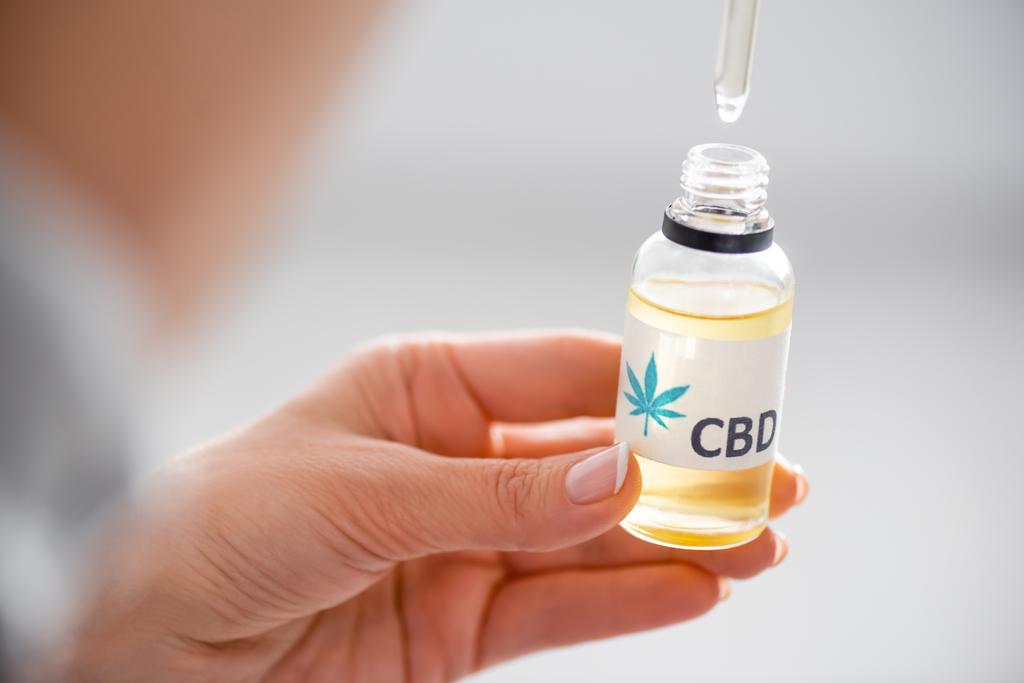
Researchers in Germany conducted a retrospective review of medical records from 202 patients who received at least one dose of Epidyolex, a 100 mg/mL oral CBD solution. The study included patients across all age groups, with a median age of 18 and as young as 4 months and as old as 72 years. On average, patients had previously tried six other antiseizure medications and were taking three concurrently with CBD.
Patients in the study showed substantial improvements. At three months, 43.3% of patients had at least a 50% reduction in total seizures, a rate that remained consistent at 44% after 12 months. For those with generalized tonic-clonic seizures, responder rates were even higher—54.3% at three months and 47.7% at 12 months.
Across the board, the median number of seizure days per month dropped from 30 to 18 after treatment with CBD, a statistically significant reduction. In addition, physicians reported clinical improvement in 62% of patients based on the Clinical Global Impression of Change scale.
Retention rates for the CBD treatment were high, with nearly 90% of patients still taking the medication after three months and 67% remaining on it after a full year. The most commonly reported side effects were sedation and diarrhea, aligning with the known safety profile of CBD.
The results support the use of CBD as an effective and generally well-tolerated option for managing seizures in patients with LGS, DS, and TSC.