A new study from researchers at the University of California San Diego highlights key differences between people who use cannabis solely for medicinal reasons and those who use it for both medicinal and recreational purposes following the enactment of California’s Proposition 64.
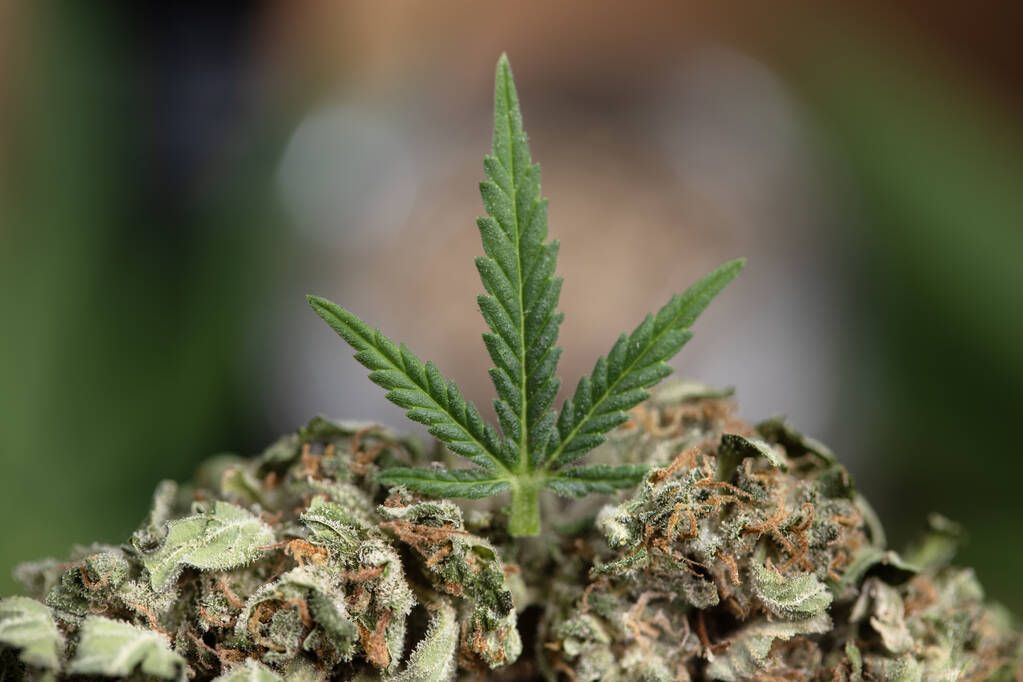
The findings, published in the Journal of Cannabis Research, are based on survey responses from over 4,000 current cannabis users as part of a broader population-matched study. Of those respondents, 711 identified as using marijuana strictly for medical reasons, while 1,719 reported using it for both medical and recreational purposes.
Medicinal-only users were more likely to be female, start using cannabis later in life, and live in households with children. Their average age of first use was 34, compared to 23 among combined users. They also reported spending less on cannabis—$127 per month versus $186—and using it less frequently. Only 25% of medicinal-only users consumed cannabis multiple times per day, compared to nearly half of combined users.
Pain relief was the most cited reason for using cannabis among medicinal-only participants, followed by help with sleep, anxiety, and stress. While both groups reported mental health benefits, medicinal-only users were more likely to cite relief from physical symptoms, whereas combined users were more likely to report emotional or psychological benefits.
Despite their therapeutic focus, medicinal-only users were less comfortable discussing cannabis use with their doctors than combined users. Only 75% felt comfortable talking to their primary care provider about their marijuana use, compared to 83% of those in the combined-use group. Still, most believed their doctors were supportive of medical cannabis use.
Both groups were more likely to seek cannabis-related information online or from friends and family rather than from health professionals. Just 26–27% of respondents in either group said they consulted a clinician about marijuana use.
Licensed dispensaries were the primary source of cannabis for both user groups, though medicinal-only users placed more emphasis on buying from licensed retailers. While 72% of medicinal-only users said purchasing from a licensed dispensary was very or extremely important, only 66% of combined users said the same.
The study also examined driving behavior. Medicinal-only users were far more cautious, frequently reporting that they waited until the next day to drive after using cannabis, whereas many combined users reported waiting less than an hour.
When it came to side effects, combined users reported more frequent adverse effects such as paranoia, memory loss, fatigue, and lack of motivation. These users were also more likely to have started using cannabis before the age of 17—a factor linked to increased risks of dependency and negative outcomes.
The study’s authors emphasize the need for better communication between patients and providers and more consistent guidance on safe and effective medicinal cannabis use. They also highlight that while combined users may share similar motivations for cannabis use, their behavior, attitudes, and risks differ in meaningful ways that warrant tailored public health interventions and clinical approaches.
With cannabis legalization continuing to expand and millions of Americans using marijuana for therapeutic reasons, the researchers say future studies should focus on improving education for both patients and healthcare providers, reducing stigma, and ensuring safe access for medical users.