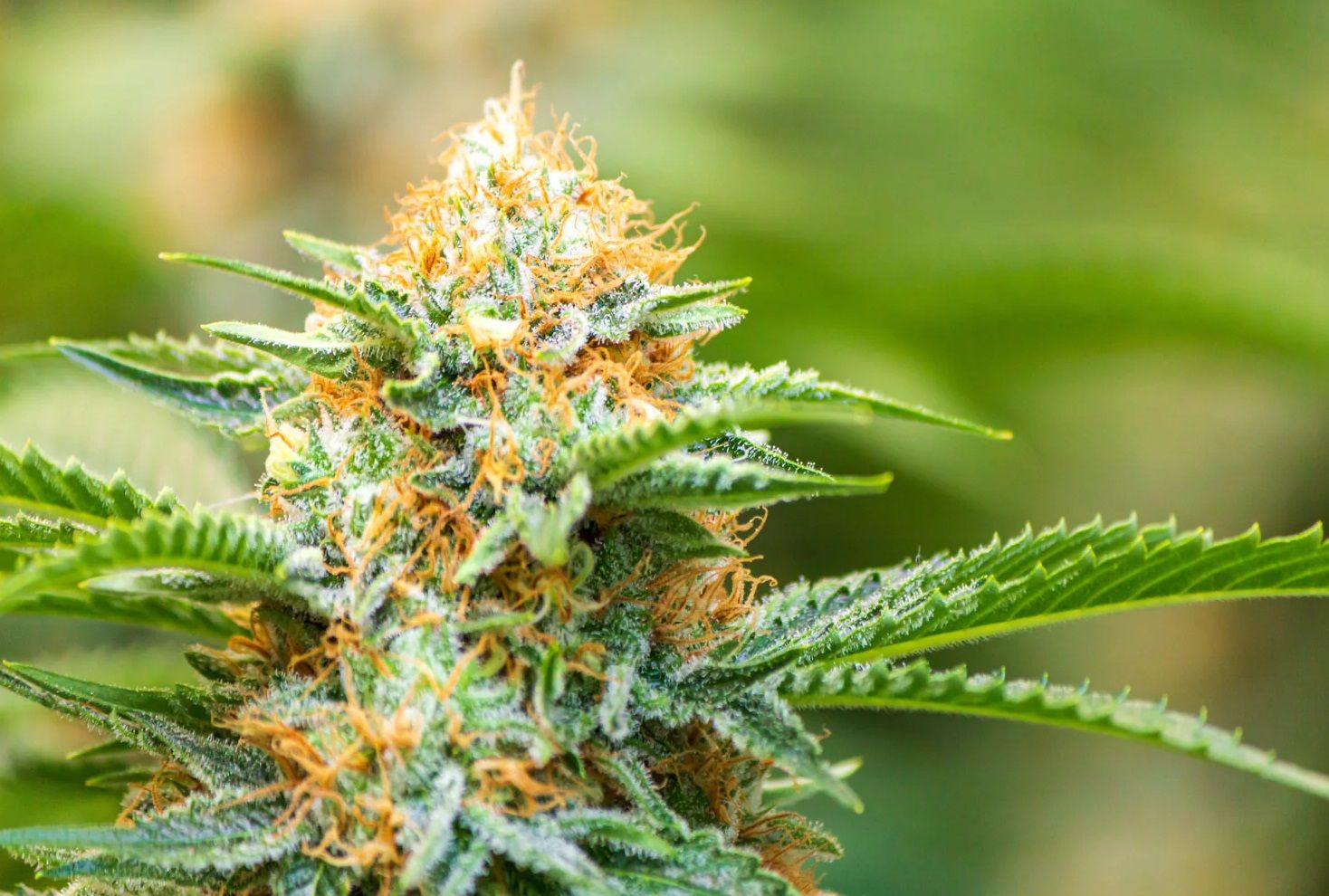
Marijuana home grow laws vary dramatically across the United States. Some states allow any adult 21 or older to cultivate plants at home, others reserve personal cultivation for qualifying medical marijuana patients, and several states with legal recreational marijuana still prohibit home grow entirely.
As of September 2026, 25 states allow marijuana home cultivation in some form, along with Washington, D.C. Twenty states allow adults to cultivate marijuana for nonmedical use, while five states limit home cultivation to qualifying medical marijuana patients: Hawaii, Illinois, Oklahoma, South Dakota and Washington.
Legal recreational marijuana does not automatically mean legal home grow. Delaware and New Jersey prohibit personal cultivation entirely, while Illinois and Washington allow adult-use possession and sales but reserve home cultivation for qualifying medical patients. Nevada allows recreational home cultivation only under certain circumstances, including when a person lives more than 25 miles from a licensed marijuana retailer.
The rules also vary on plant counts, whether limits apply per adult or per residence, whether plants must be indoors or locked, whether registration is required and whether local governments or property owners may impose additional restrictions. Anyone considering home cultivation should check current state law, local ordinances and applicable lease or property rules before growing.
For a broader look at possession, medical marijuana, legal sales and other state laws, see The Marijuana Herald’s Marijuana Laws by State guide.
Last updated: September 15, 2026
Marijuana home grow laws by state at a glance
The table below summarizes the general home cultivation rule in every state and Washington, D.C. Plant limits are a quick reference only. Registration, security, visibility, residency, medical-program, landlord and local requirements may also apply.
| State | Home grow status | General plant limit |
|---|---|---|
| Alabama | Not allowed | None |
| Alaska | Adults 21+ | 6 per adult, no more than 3 mature; 12 total and 6 mature per dwelling |
| Arizona | Adults 21+ | 6 per adult; maximum 12 per residence with two or more adults |
| Arkansas | Not allowed | None |
| California | Adults 21+ | 6 plants per private residence |
| Colorado | Adults 21+ | 6 per adult, no more than 3 flowering; generally 12 per residence |
| Connecticut | Adults 21+ | 3 mature and 3 immature per adult; maximum 12 total per household |
| Delaware | Not allowed | None |
| Florida | Not allowed | None |
| Georgia | Not allowed | None |
| Hawaii | Medical patients/caregivers only | Up to 10 plants at the registered cultivation site |
| Idaho | Not allowed | None |
| Illinois | Registered medical patients only | Up to 5 plants |
| Indiana | Not allowed | None |
| Iowa | Not allowed | None |
| Kansas | Not allowed | None |
| Kentucky | Not allowed | None |
| Louisiana | Not allowed | None |
| Maine | Adults 21+ | 6 mature, 12 immature and unlimited seedlings per adult |
| Maryland | Adults 21+ | 2 per household; up to 4 per residence for qualifying medical patients 21+ |
| Massachusetts | Adults 21+ | 6 per adult; maximum 12 per residence |
| Michigan | Adults 21+ | 12 per residence |
| Minnesota | Adults 21+ | 8 per residence; no more than 4 mature/flowering |
| Mississippi | Not allowed | None |
| Missouri | Adults 21+ with cultivation registration | 6 flowering, 6 nonflowering at least 14 inches tall and 6 nonflowering under 14 inches |
| Montana | Adults 21+ | 2 mature and 2 seedlings per adult; generally maximum 4 mature and 4 seedlings per residence |
| Nebraska | Not allowed | None |
| Nevada | Adults 21+ under qualifying conditions | 6 per adult; maximum 12 per residence |
| New Hampshire | Not allowed | None |
| New Jersey | Not allowed | None |
| New Mexico | Adults 21+ | 6 mature and 6 immature per adult; maximum 12 mature per household |
| New York | Adults 21+ | 3 mature and 3 immature per adult; maximum 6 mature and 6 immature per household |
| North Carolina | Not allowed statewide | None under state law |
| North Dakota | Not allowed | None |
| Ohio | Adults 21+ | 6 per adult; maximum 12 per residence |
| Oklahoma | Registered medical patients only | 6 mature and 6 seedlings |
| Oregon | Adults 21+ | 4 per residence |
| Pennsylvania | Not allowed | None |
| Rhode Island | Adults 21+ | 3 mature and 3 immature per dwelling |
| South Carolina | Not allowed | None |
| South Dakota | Authorized medical patients only | 2 flowering and 2 nonflowering |
| Tennessee | Not allowed | None |
| Texas | Not allowed | None |
| Utah | Not allowed | None |
| Vermont | Adults 21+ | 2 mature and 4 immature per dwelling |
| Virginia | Adults 21+ | 4 per household |
| Washington | Qualified medical patients/providers only | Generally 4 without registry enrollment; 6 with a recognition card; up to 15 with practitioner authorization |
| West Virginia | Not allowed | None |
| Wisconsin | Not allowed | None |
| Wyoming | Not allowed | None |
| Washington, D.C. | Adults 21+ | 6 per adult, no more than 3 mature; 12 total and 6 mature per residence |
Marijuana home grow laws in each state
Click a state name below for The Marijuana Herald’s full guide to that state’s marijuana laws.
Alabama
Alabama does not allow marijuana home cultivation. Recreational marijuana remains illegal, and the state’s medical marijuana law does not authorize registered patients or caregivers to grow plants at home.
Legal medical marijuana must come through Alabama’s licensed cultivation, processing and dispensing system.
Alaska
Alaska allows adults 21 and older to grow marijuana at home. Each adult may cultivate up to six plants, with no more than three mature, flowering plants at one time.
A single dwelling may contain no more than 12 plants, including no more than six mature, flowering plants, regardless of how many adults live there. Plants must be kept out of public view and reasonable precautions must be taken to prevent unauthorized access.
Arizona
Arizona allows adults 21 and older to grow marijuana at their primary residence. An adult may cultivate up to six plants, while a residence with two or more adults is generally limited to 12 plants total.
Plants must be kept in an enclosed, locked area and may not be visible from public view. Arizona’s medical marijuana law also contains cultivation provisions for qualifying patients under certain circumstances.
Arkansas
Arkansas does not allow marijuana home cultivation. Recreational marijuana remains illegal, and registered medical marijuana patients and caregivers may not grow their own plants.
Medical marijuana must be obtained through the state’s licensed system.
California
California allows adults 21 and older to cultivate up to six marijuana plants per private residence for personal use. The six-plant limit applies to the residence rather than separately to each adult living there.
Local governments may impose reasonable cultivation rules, including restrictions on outdoor growing. Plants and harvested marijuana must also be kept in accordance with state security and visibility requirements.
Colorado
Colorado allows adults 21 and older to grow up to six marijuana plants, with no more than three flowering at one time.
State law generally limits a residence to 12 plants, although local rules can also affect home cultivation. Plants must be kept in an enclosed, locked area and may not be grown openly or publicly.
Connecticut
Connecticut allows adults 21 and older to grow marijuana at home. Each adult may cultivate up to three mature and three immature plants, with a maximum of 12 plants per household.
Cultivation must occur at the grower’s primary residence. Plants must be grown indoors, kept secure and not be visible from the street or other public areas.
Delaware
Delaware has legalized adult-use marijuana possession and regulated recreational sales, but personal cultivation remains prohibited.
Adults cannot legally grow marijuana at home for recreational use, and the state’s medical marijuana program does not provide a general patient home-grow right.
Florida
Florida does not allow marijuana home cultivation. Recreational marijuana remains illegal, and registered medical marijuana patients are not authorized to grow plants at home.
Patients must obtain medical marijuana from licensed Medical Marijuana Treatment Centers.
Georgia
Georgia does not allow recreational marijuana home cultivation, and participants in the state’s medical marijuana program are not authorized to grow marijuana at home.
Legal medical products must come through the state’s regulated system.
Hawaii
Hawaii has not legalized recreational marijuana, but registered medical marijuana patients and caregivers may cultivate under the state’s medical program.
Cultivation must occur at a registered grow site. State law generally allows up to 10 marijuana plants at the registered location, including plants at different stages of growth, subject to patient and caregiver program requirements.
Idaho
Idaho does not allow recreational marijuana, comprehensive medical marijuana or marijuana home cultivation.
Growing marijuana remains illegal under state law and can result in criminal penalties.
Illinois
Illinois has legalized recreational marijuana, but ordinary adult-use consumers cannot grow marijuana at home.
Home cultivation is limited to registered qualifying medical marijuana patients, who may grow up to five plants for personal medical use. Plants must be kept in an enclosed, locked space and away from public view.
Indiana
Indiana does not allow recreational marijuana or marijuana home cultivation. The state also does not have a comprehensive medical marijuana program that authorizes patient cultivation.
Growing marijuana remains illegal.
Iowa
Iowa does not allow recreational marijuana home cultivation or patient home cultivation under its medical cannabidiol program.
Patients must obtain approved products through the state’s regulated medical system rather than growing plants themselves.
Kansas
Kansas does not allow recreational or medical marijuana home cultivation.
The state has no comprehensive medical marijuana program, and growing marijuana remains illegal. Kansas’ narrow protections for certain low-THC cannabidiol preparations do not authorize marijuana cultivation.
Kentucky
Kentucky has an operational medical marijuana program, but home cultivation is prohibited.
Registered patients must obtain medical marijuana through licensed businesses. Recreational marijuana and personal cultivation also remain illegal.
Louisiana
Louisiana does not allow recreational marijuana home cultivation, and registered medical marijuana patients are not authorized to grow plants at home.
Patients must obtain medical marijuana through the state’s regulated system.
Maine
Maine allows adults 21 and older to cultivate up to six mature marijuana plants, 12 immature plants and an unlimited number of seedlings for personal use.
State law also imposes location, tagging, public-visibility and access requirements. Maine municipalities may regulate home cultivation within limits established by state law. Separate rules apply to medical marijuana cultivation.
Maryland
Maryland allows adults 21 and older to grow up to two marijuana plants per household for personal use. The two-plant adult-use limit applies to the residence rather than to each adult.
A residence with a qualifying medical marijuana patient who is at least 21 may generally contain up to four plants. Plants must be grown out of public view and in a location protected from unauthorized access.
Massachusetts
Massachusetts allows adults 21 and older to grow up to six marijuana plants for personal use. A residence with two or more adults may contain no more than 12 plants.
Plants must be grown where they are not visible from a public place without the use of optical aids and must be secured against access by people who are not authorized to possess marijuana.
Michigan
Michigan allows adults 21 and older to cultivate up to 12 marijuana plants at a residence for personal use.
The 12-plant limit applies to the residence, not separately to every adult. Plants must be kept in a secure area and cannot be readily visible from a public place.
Minnesota
Minnesota allows adults 21 and older to cultivate up to eight marijuana plants at a single residence, with no more than four mature, flowering plants at one time.
Plants must be grown at the person’s residence in an enclosed, locked space that is not open to public view.
Mississippi
Mississippi does not allow recreational marijuana home cultivation, and registered medical marijuana patients are not authorized to grow their own plants.
Medical marijuana must be obtained through licensed businesses.
Missouri
Missouri allows adults 21 and older to cultivate marijuana at home, but a state cultivation registration is required.
An authorized consumer cultivator may generally grow up to six flowering plants, six nonflowering plants that are at least 14 inches tall and six nonflowering plants under 14 inches. Cultivation must occur in a locked area and comply with state registration and security requirements. Separate rules govern shared cultivation spaces and medical patient cultivation.
Montana
Montana allows adults 21 and older to grow marijuana at home. An adult may generally cultivate up to two mature plants and two seedlings for personal use.
Where multiple adults live at the same residence, the general household maximum is four mature plants and four seedlings. Plants must be kept out of public view and comply with applicable property and security restrictions.
Nebraska
Nebraska does not authorize personal marijuana home cultivation.
Although voters approved medical marijuana measures and the state is developing a regulated medical program, the current framework does not give patients a general right to grow marijuana at home.
Nevada
Nevada allows adult-use marijuana home cultivation only under limited circumstances. Adults may generally grow at home if there is no licensed retail marijuana store within 25 miles of their residence, along with certain other statutory exceptions.
When cultivation is allowed, an adult may grow up to six plants, with a maximum of 12 plants per residence. Plants must be kept in an enclosed, locked area that is not visible from a public place.
New Hampshire
New Hampshire does not allow recreational marijuana home cultivation, and registered medical marijuana patients are not currently authorized to grow marijuana at home.
Patients must obtain therapeutic marijuana through licensed alternative treatment centers.
New Jersey
New Jersey has legalized adult-use marijuana possession and licensed recreational sales, but personal cultivation remains prohibited.
Neither recreational consumers nor medical marijuana patients have a general right to grow marijuana at home. Marijuana plants must come through licensed commercial cultivation rather than personal home grows.
New Mexico
New Mexico allows adults 21 and older to cultivate up to six mature and six immature marijuana plants for personal use.
A household with multiple adults may contain no more than 12 mature plants. No special personal cultivation license is required, but plants and marijuana produced from them must comply with state residence, storage and public-visibility rules.
New York
New York allows adults 21 and older to grow up to three mature and three immature marijuana plants.
A household may contain no more than six mature and six immature plants, regardless of the number of adults who live there. Home cultivation is subject to state storage and security rules, including requirements designed to prevent access by people under 21.
North Carolina
North Carolina does not authorize recreational marijuana home cultivation under state law and does not have a comprehensive statewide medical marijuana program that allows patient cultivation.
Separate laws may apply on sovereign tribal lands, but those rules do not create a statewide right to grow marijuana at home.
North Dakota
North Dakota does not allow recreational marijuana home cultivation, and registered medical marijuana patients are not authorized to grow plants at home.
Medical marijuana must be obtained through the state’s regulated dispensary system.
Ohio
Ohio allows adults 21 and older to cultivate up to six marijuana plants, with a maximum of 12 plants at a residence where two or more adults live.
Plants must be kept in a secured, enclosed area, cannot be visible from a public space and must be inaccessible to people under 21. Rental agreements may also restrict cultivation.
Oklahoma
Oklahoma has not legalized recreational marijuana, but licensed medical marijuana patients may cultivate at home.
A registered patient may generally grow up to six mature marijuana plants and six seedlings. Plants cannot be visible from a street adjacent to the property, and cultivation must comply with state medical marijuana requirements and property rules.
Oregon
Oregon allows adults 21 and older to grow marijuana at home, with a maximum of four plants per residence.
The four-plant limit applies to the household rather than to each adult. Separate cultivation limits and rules may apply to registered medical marijuana patients and designated growers.
Pennsylvania
Pennsylvania does not allow recreational marijuana home cultivation, and registered medical marijuana patients are not authorized to grow marijuana at home.
Patients must obtain medical marijuana through the state’s licensed dispensary system.
Rhode Island
Rhode Island allows adults 21 and older to cultivate marijuana at home. A dwelling may contain up to three mature and three immature plants for adult use.
Plants must be grown indoors in a secure location and comply with state rules. Registered medical marijuana patients also have cultivation rights under separate provisions.
South Carolina
South Carolina does not allow recreational marijuana, comprehensive medical marijuana or marijuana home cultivation.
Growing marijuana remains illegal under state law.
South Dakota
South Dakota has not legalized recreational marijuana, but qualifying medical marijuana patients may cultivate if their registry identification card authorizes home cultivation.
An authorized patient may generally grow up to two flowering and two nonflowering marijuana plants, subject to the state’s medical program requirements.
Tennessee
Tennessee does not allow recreational marijuana, comprehensive medical marijuana or marijuana home cultivation.
The state’s limited low-THC protections do not authorize people to grow marijuana plants at home.
Texas
Texas does not allow recreational marijuana home cultivation, and patients participating in the Texas Compassionate Use Program are not authorized to grow marijuana at home.
Medical products must come through licensed dispensing organizations.
Utah
Utah does not allow recreational marijuana home cultivation, and registered medical marijuana patients are not authorized to grow plants at home.
Patients must obtain medical marijuana through the state’s licensed medical cannabis pharmacy system.
Vermont
Vermont allows adults 21 and older to cultivate marijuana at home. A dwelling may contain up to two mature and four immature marijuana plants.
The limit applies to the dwelling rather than separately to every adult. Property owners may impose restrictions, and cultivation must comply with state rules governing access and location.
Virginia
Virginia allows adults 21 and older to grow up to four marijuana plants at their primary residence.
The four-plant maximum applies to the entire household. Each plant must have a legible tag containing the grower’s name, driver’s license or identification number and a statement that the plant is being grown for personal use. Plants also must be kept out of public view and protected from access by people under 21.
Washington
Washington allows adults 21 and older to purchase and possess recreational marijuana, but it does not allow recreational home cultivation.
Home grow is limited to qualifying medical marijuana patients and designated providers. A qualifying patient with a valid authorization who is not entered into the state medical marijuana database may generally grow up to four plants. A patient with a medical marijuana recognition card may generally grow up to six plants, and a health care practitioner may authorize up to 15 plants when medically necessary.
Except for registered medical marijuana cooperatives, no more than 15 plants may generally be grown or located in a single housing unit.
West Virginia
West Virginia does not allow recreational marijuana home cultivation, and registered medical marijuana patients are not authorized to grow marijuana at home.
Patients must obtain medical marijuana through licensed dispensaries.
Wisconsin
Wisconsin does not allow recreational marijuana, comprehensive medical marijuana or marijuana home cultivation.
Growing marijuana remains illegal under state law, although some local governments have reduced penalties for certain possession offenses.
Wyoming
Wyoming does not allow recreational marijuana, comprehensive medical marijuana or marijuana home cultivation.
The state’s limited low-THC protections do not authorize personal marijuana cultivation.
Washington, D.C.
Washington, D.C., allows adults 21 and older to grow marijuana at their primary residence.
An adult may cultivate up to six plants, with no more than three mature and flowering at one time. A residence with multiple adults may contain up to 12 plants total, with no more than six mature and flowering.
Homegrown marijuana may not be sold. District law allows limited noncommercial transfers between adults, but federal law continues to apply on federal property and in other areas under federal jurisdiction.
Frequently asked questions about marijuana home grow laws
How many states allow marijuana home grow?
As of September 2026, 25 states allow marijuana home cultivation in some form, along with Washington, D.C. Twenty states allow adults to cultivate marijuana for nonmedical use, while five states limit home cultivation to qualifying medical marijuana patients.
Which states allow adults to grow recreational marijuana at home?
The 20 states that allow some form of adult-use home cultivation are Alaska, Arizona, California, Colorado, Connecticut, Maine, Maryland, Massachusetts, Michigan, Minnesota, Missouri, Montana, Nevada, New Mexico, New York, Ohio, Oregon, Rhode Island, Vermont and Virginia. Washington, D.C., also allows adults to grow at home.
Some of these laws include important conditions. Missouri requires cultivation registration, while Nevada generally limits home cultivation to adults who live more than 25 miles from a licensed marijuana retailer or otherwise qualify for a statutory exception.
Which legal marijuana states do not allow recreational home grow?
Delaware, Illinois, New Jersey and Washington allow adult-use marijuana possession but do not provide a general recreational home-grow right. Delaware and New Jersey prohibit personal marijuana cultivation, while Illinois and Washington allow qualifying medical marijuana patients to cultivate under their medical programs.
Which states allow medical marijuana patients to grow when recreational home grow is unavailable?
Hawaii, Illinois, Oklahoma, South Dakota and Washington allow at least some qualifying medical marijuana patients to cultivate marijuana even though general recreational home cultivation is unavailable. Medical cultivation rules vary considerably and may require registration, authorization, a designated grow location or other conditions.
Can you grow marijuana outdoors?
It depends on the state and locality. Some states allow outdoor cultivation if plants are secured and hidden from public view. Others require home cultivation to occur indoors, and some local governments may impose additional restrictions on outdoor grows. Connecticut, for example, requires adult-use home cultivation to occur indoors, while California allows local governments to regulate where personal cultivation may occur.
Can landlords ban marijuana home grow?
In many cases, yes. State legalization does not necessarily require a landlord or other property owner to allow marijuana cultivation on the property. Leases, condominium rules and other property agreements may restrict or prohibit growing even where state law otherwise allows it.
Local governments may also have authority to regulate issues such as outdoor cultivation, odor, electrical safety, visibility and where plants may be located.
Can you sell homegrown marijuana?
Generally, no. Personal cultivation laws authorize marijuana to be grown for personal use, not unlicensed commercial sales. Selling homegrown marijuana without the required state license remains illegal even in states where adults can legally cultivate plants.
Some jurisdictions allow limited transfers or gifting between adults without payment, but those rules vary and cannot be used as a disguised sale.
Is marijuana home grow legal under federal law?
State home-grow laws do not create a general federal right to cultivate marijuana. Federal restrictions can still apply even when cultivation is authorized under state or District law, particularly on federal property or in other areas under federal jurisdiction.
Do home grow limits apply per person or per household?
It depends on the state. Alaska and Arizona use individual plant limits while also imposing household caps. California, Michigan, Minnesota, Oregon, Rhode Island, Vermont and Virginia use residence or household limits that do not simply multiply for every adult living in the home. Anyone growing marijuana should check how their state defines the applicable limit before planting.
Related marijuana law guides
- Marijuana Laws by State
- Marijuana Possession Limits by State
- Marijuana DUI Laws by State
- Marijuana Employment Laws by State
- Marijuana Expungement Laws by State
About this guide
Marijuana home cultivation laws can change through legislation, regulations, court decisions and ballot measures. The Marijuana Herald regularly reviews and updates this guide as state laws change. Individual state pages linked above provide broader information about possession limits, medical marijuana, retail sales and other major marijuana laws.