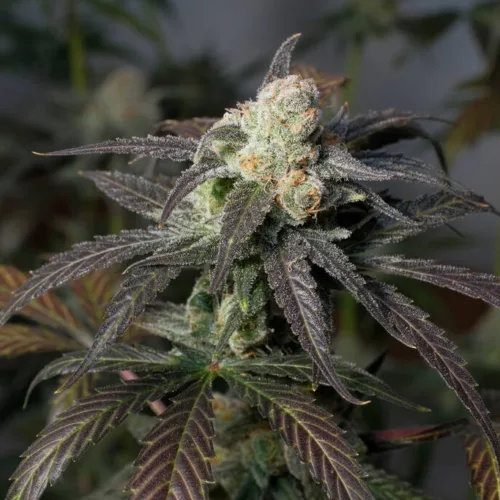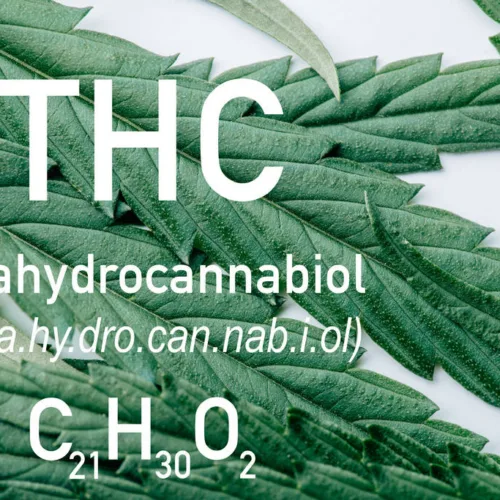
A full-spectrum cannabis oil containing both CBD and THC helped prevent early liver damage tied to a sugar-rich diet, according to a new study.
The study, published in the journal Medical Cannabis and Cannabinoids, was conducted by researchers from Universidad de Buenos Aires, Universidad Nacional del Litoral and other Argentine institutions. It examined the effects of a cannabis oil with a 2:1 CBD-to-THC ratio in a rat model of metabolic dysfunction-associated steatotic liver disease, or MASLD.
MASLD, formerly known as nonalcoholic fatty liver disease, is a growing global health concern and is commonly linked to obesity, insulin resistance, high sugar intake and broader metabolic problems.
For the study, male Wistar rats were divided into three groups: one given a reference diet, one given a sucrose-rich diet, and one given a sucrose-rich diet along with daily cannabis oil. The cannabis oil was administered orally from the beginning of the diet exposure and continued throughout the three-week study period.

Researchers found that the sucrose-rich diet caused several early signs of liver disease, including fibrosis, inflammation and endothelial dysfunction. The diet also led to cellular damage in liver tissue, including reduced mitochondrial numbers, lipid buildup, increased glycogen deposits and structural changes marked by fibrosis and inflammatory cell infiltration.
However, rats given cannabis oil alongside the sucrose-rich diet showed reduced signs of these harmful changes.
According to the study, cannabis oil administration lowered markers tied to fibrosis, including collagen accumulation, hydroxyproline content and TGF-β expression. It also helped reduce markers of endothelial activation and inflammation, including nitric oxide-related changes, myeloperoxidase activity and VCAM-1 expression.
The researchers also found that cannabis oil affected the expression of cannabinoid receptors in the liver. A sucrose-rich diet increased CB1 and CB2 receptor levels, while daily cannabis oil helped return those levels closer to those seen in the control group.
Transmission electron microscopy further supported the findings, with cannabis oil-treated rats showing more preserved nuclear and mitochondrial structure, along with reduced lipid and glycogen accumulation.
“Daily CO administration prevented these alterations and the SRD-induced increase in cannabinoid receptor protein levels,” the researchers concluded.
The authors emphasized that the findings should be understood in a preventive context, since cannabis oil was given at the same time the sucrose-rich diet began. They said future research will be needed to determine whether cannabis oil can reverse liver damage after it has already developed.
The study was conducted in animals, not humans, meaning the results cannot be directly applied to patients. Still, researchers said the findings highlight the potential protective effects of CBD- and THC-containing cannabis oil against early liver alterations associated with MASLD.