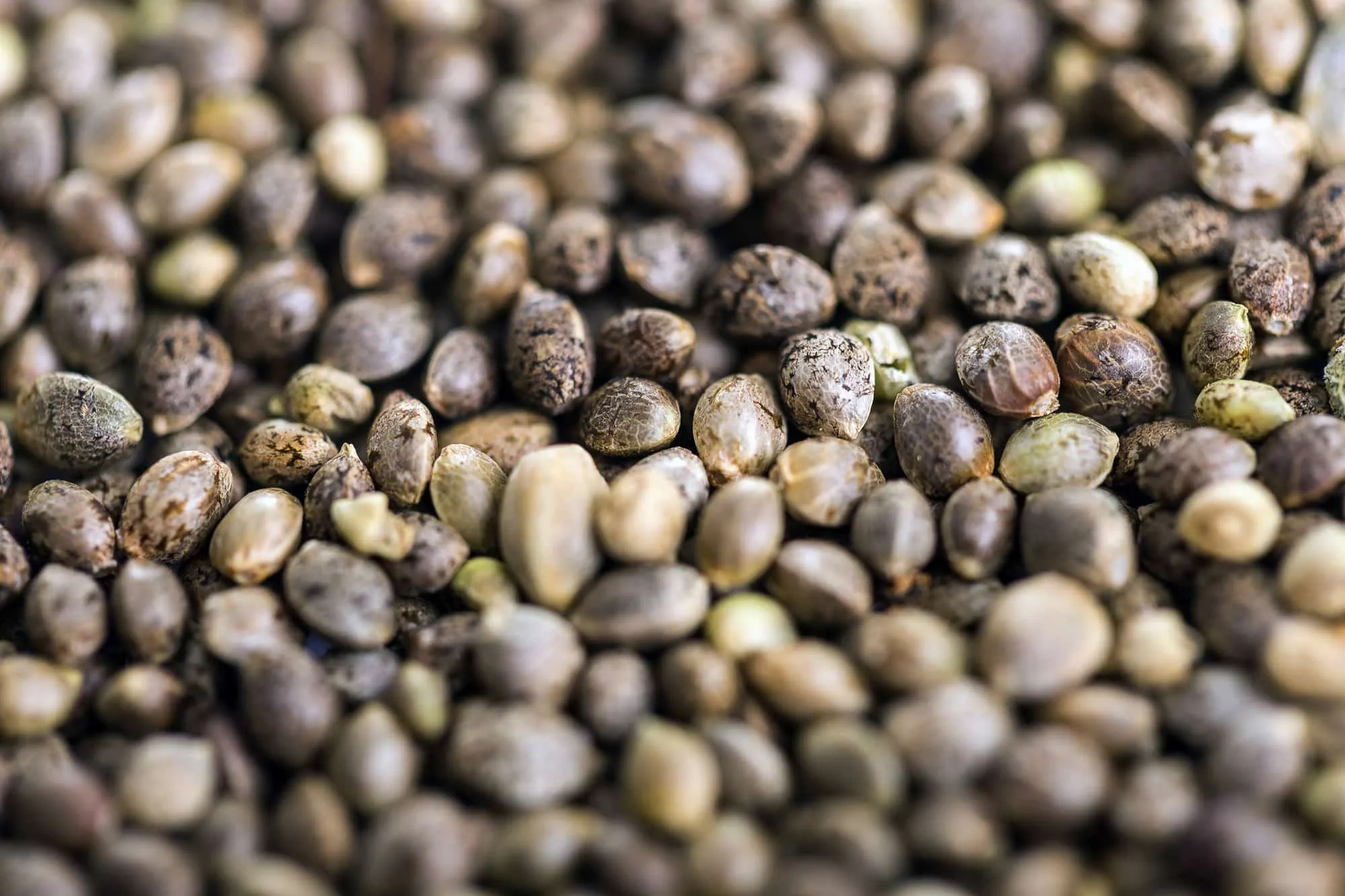
Every growth starts with the same moment: a seed placed in the right conditions, waiting to crack open and push its first root. That moment is more fragile than most first-time growers expect, and the mistakes that happen here tend to echo through the entire growth.
Germination rates vary significantly based on seed quality, method, and environmental conditions. A study published in PubMed by the National Library of Medicine found that optimal seed priming conditions achieved germination rates of up to 83% in tested cultivars, with cocopeat performing best as a seedling growth medium. What that research confirms is what experienced growers already know: the variables you control at the germination stage have a direct and measurable effect on whether seeds become healthy plants.
What Cannabis Seeds Need to Germinate
Before you commit to a method, it helps to understand what the seed is responding to. Cannabis seeds require three things to break dormancy and germinate successfully:
- Moisture: The seed coat needs to soften enough for the taproot to emerge. Too dry and nothing happens. Too wet and the seed can rot before it cracks.
- Warmth: The optimal temperature range for cannabis germination sits between 20 and 25 degrees Celsius. Below 18 degrees, germination slows considerably. Above 28, you risk stressing the seedling before it has even emerged.
- Darkness: Seeds do not need light to germinate. Keeping them dark during this stage is not just a preference but mimics the natural underground environment where germination occurs.
Everything else is a method for delivering those three conditions consistently.
The Paper Towel Method: Most Reliable for Home Growers
This is the method most growers return to because it gives you visual confirmation that germination is happening before anything goes into soil or a growing medium.
What you need: Two paper towels, two plates, purified or pH-adjusted water (aim for pH 6.0 to 6.5), and your seeds.
The process:
- Moisten both paper towels thoroughly, then wring out any excess water. They should be damp, not dripping.
- Place seeds on one paper towel with at least 2 cm of space between each one.
- Cover with the second paper towel and fold the edges to create a sealed environment.
- Place the whole setup between two plates to retain moisture and block light.
- Store in a warm location, ideally on top of a seedling heat mat set to 22 degrees Celsius.
- Check every 12 hours. Seeds typically crack and produce a visible taproot within 24 to 72 hours.
The taproot is ready to plant when it reaches approximately 1 to 2 cm in length. At that point, handle it with tweezers rather than fingers, as skin oils can damage the delicate tissue.
Planting the Germinated Seed
Once you have a visible taproot, the seed needs to move into its growing medium quickly. Leaving it in the paper towel too long causes the root to become entangled or dry out at the tip.
Plant the seed taproot down at a depth of approximately 1 cm in pre-moistened seedling mix or coco coir. Cover lightly, do not compact the medium over it. Seedlings typically break the surface within 24 to 48 hours of planting.
Keep the growing medium consistently moist during this stage but never waterlogged. Overwatering at the seedling stage is one of the most common causes of damping off, a fungal condition that kills seedlings at the soil line before they establish.
The Direct Soil Method
Some growers prefer to germinate directly in the growing medium rather than using a paper towel intermediate. This reduces the handling of fragile taproots and mimics the natural process more closely.
Soak your seeds in a glass of pH-adjusted water for 12 to 24 hours before planting. Seeds that sink to the bottom are viable. Seeds that float after 24 hours are less reliable but can still be worth planting.
Plant directly 1 cm deep, water gently, cover with a propagation dome or plastic film to maintain humidity, and keep at 22 to 25 degrees Celsius. This method requires more patience since you cannot see what is happening, but it eliminates the transfer stress of the paper towel method.
Starting With Quality Genetics
Germination technique matters, but seed quality determines the ceiling of what you can achieve. Old seeds with poor storage history, seeds from unreliable sources, or seeds of unknown genetics can produce inconsistent results regardless of the method used.
Sourcing from reputable suppliers who store seeds properly and provide clear information about genetics and viability is one of the most important steps a grower can take before germination even begins. This is reflected in seed banks such as Sigma Seeds Australia, where many modern genetics are selected for characteristics including terpene expression, genetic stability, and adaptability to different growing environments rather than potency alone.
Starting with healthy, well-preserved seeds gives growers the best chance of achieving strong germination rates and vigorous early growth.
Troubleshooting Common Failures
If seeds are not germinating within 5 to 7 days, one of a handful of causes is usually responsible:
- Temperature too low or inconsistent. Invest in a seedling heat mat with a thermostat rather than relying on ambient room temperature.
- Paper towel drying out between checks. In drier climates or heated rooms, the towels can lose moisture faster than expected. Check every 8 hours rather than 12 if this is a consistent problem.
- Seeds too old or stored poorly. Seeds kept in warm, humid conditions degrade faster than those stored in a sealed container in a cool, dark place.
- Water pH too far off. Tap water in many areas runs alkaline. pH-adjusted water between 6.0 and 6.5 produces more consistent results than untreated tap water.
Conclusion
Germination is the easiest stage of a cannabis grow to underestimate. The inputs are minimal, the process looks passive, and the time frame is short. But the conditions you provide in these first 24 to 72 hours set the trajectory of every plant that follows.
Getting the temperature, moisture, and seed quality right from the beginning is not a detail. It is the foundation. A strong start during germination gives your plants the best chance to develop into healthy, vigorous growers throughout the entire cultivation cycle.
Sponsors: