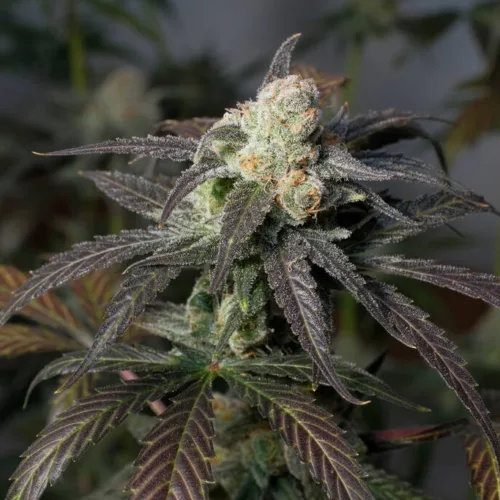
The Centers for Disease Control and Prevention (CDC) is proposing to ask adults nationwide how often they use marijuana and whether they consume it for medical or recreational reasons as part of a major redesign of the National Health Interview Survey (NHIS).
The draft 2028 adult questionnaire, released by the CDC’s National Center for Health Statistics (NCHS), includes a section titled “Alcohol, Nicotine, and Marijuana Use.”
Under the proposal, respondents would first be asked, “Do you currently use marijuana every day, most days, some days, or not at all?” The questionnaire specifies that CBD-only products should not be included.
Those who report using marijuana would then be asked why they use it, with respondents able to answer yes or no to each of six reasons:
- For fun or to get high
- Pain relief
- Nausea
- Anxiety, stress, or other mental health reasons
- Help with sleep
- Other medical reasons
The structure would allow federal researchers to distinguish between recreational and medical marijuana use while also capturing people who consume marijuana for multiple reasons.
The questions are part of a broader proposed redesign of the NHIS, which has collected health information from Americans since 1957. NCHS says the changes are intended to modernize the survey in response to rising costs, increasing difficulty reaching households and the need for a shorter, more flexible questionnaire.
Under the redesigned system, households would initially be given the option of completing the survey online or on paper, with U.S. Census Bureau interviewers following up in person with selected households that do not respond. One adult and, when applicable, one child would be randomly selected for the full questionnaire.
The marijuana questions remain proposals and could be modified before the redesigned survey is implemented in 2028.
NCHS is accepting public comments on the redesign, including proposed additions and removals, questionnaire clarity and how the changes could affect data quality and trends over time. Comments must be received by October 20 and should reference Docket No. CDC-2026-1387.