Activating cannabinoid receptor type 2 (CB2) significantly reduced liver damage, inflammation and iron accumulation in mice with iron overload, according to a new study.
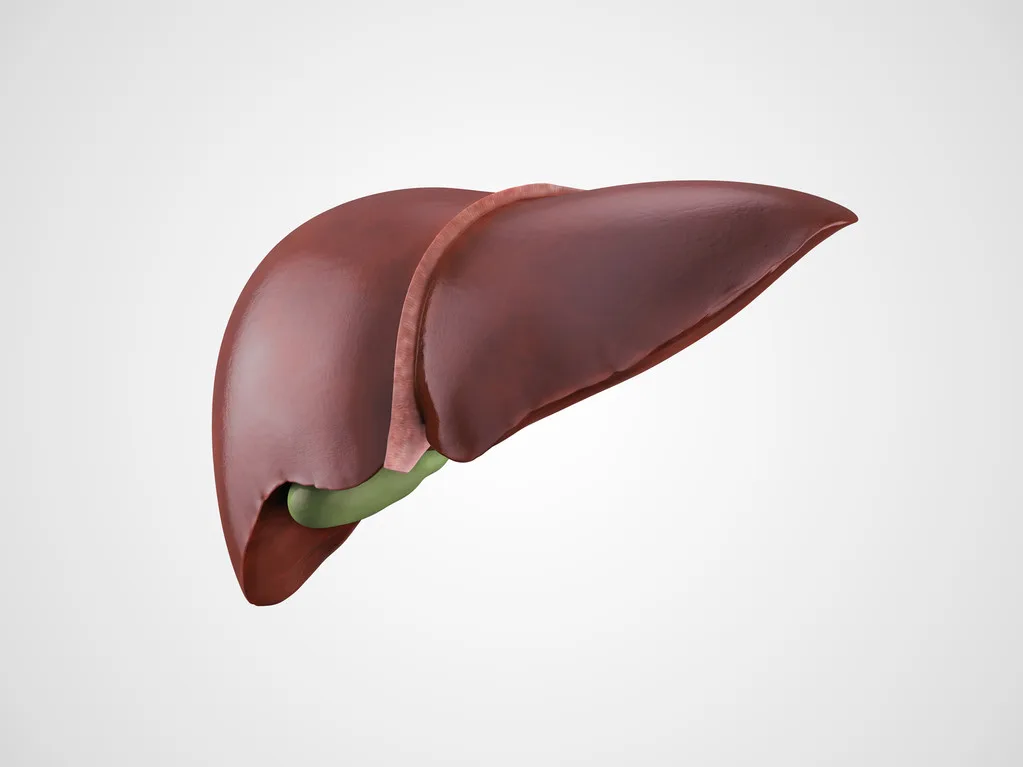
The research, published in Molecular Biomedicine by researchers from Qingdao University, examined whether targeting CB2 could protect the liver from damage caused by excessive iron accumulation. Iron overload can occur with conditions including hereditary hemochromatosis, transfusional siderosis and chronic liver disease, and can cause progressive liver damage.
Researchers induced iron overload in eight-week-old male mice by administering 100 mg/kg of iron-dextran daily for 14 days. Some mice received JWH133, a selective CB2 agonist, while others received the CB2 antagonist AM630. Separate experiments compared normal mice with mice genetically lacking CB2 and examined animals in which CB2 expression was increased in the liver.
Treatment with JWH133, meant to mimic the natural effects of cannabinoids, significantly reduced signs of liver injury and inflammation. The compound reduced iron accumulation in the liver by 49% compared with mice receiving iron-dextran alone and lowered serum ferritin by 20%. It also reduced oxidative stress and inflammatory activity while improving antioxidant defenses. Blocking CB2 with AM630 largely reversed the protective effects.
The genetic experiments produced similar results. Mice lacking CB2 experienced more severe liver damage, inflammation, fibrosis and iron accumulation, with liver iron levels 44% higher than in iron-treated normal mice. Conversely, experimentally increasing CB2 expression in the liver reduced hepatic iron levels by approximately 30%.
Researchers also examined primary liver cells to determine how CB2 produced the effects. In hepatocytes, CB2 activation suppressed the STAT3/hepcidin pathway, allowing greater expression of ferroportin 1 (FPN1), a protein responsible for exporting iron from cells. In Kupffer cells, the liver’s resident macrophages, CB2 activation increased Nrf2/FPN1 signaling, similarly promoting iron removal while reducing oxidative stress and inflammatory cytokines.
The researchers said the findings identify two complementary mechanisms through which CB2 appears to regulate liver iron levels and protect against iron toxicity. They caution that the iron-dextran mouse model does not completely replicate human conditions such as hereditary hemochromatosis or transfusional siderosis, and additional pathways involved in the effects remain to be investigated.
Researchers concluded that CB2 may act as a protective factor against iron-induced liver damage and said targeting the receptor could provide a potential new therapeutic strategy for diseases involving iron overload.