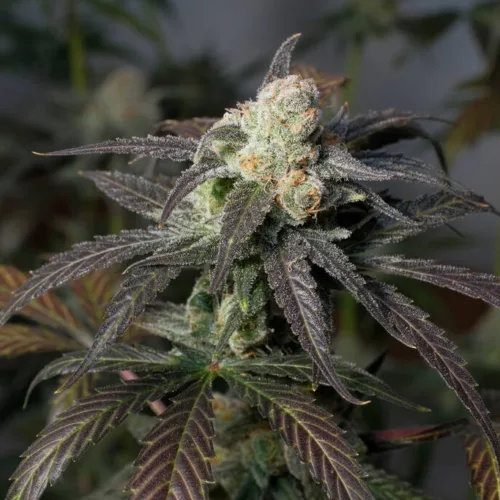
(Photo credit: Marie Jeanne).
A cannabis extract rich in neutral cannabinoids significantly reduced ultraviolet B (UVB)-induced oxidative stress and partially restored a key regulator of pigment-producing cells, according to a new laboratory study.
The study, published in BMC Complementary Medicine and Therapies, was conducted by researchers from Mahidol University and Thailand’s National Science and Technology Development Agency. Researchers said the findings support further investigation into cannabis extracts as potential ingredients in dermatological products designed to protect skin cells from sunlight-related oxidative stress.
UVB radiation can generate excessive levels of reactive oxygen species (ROS), unstable molecules that damage proteins, lipids and DNA. It can also interfere with microphthalmia-associated transcription factor (MITF), a protein involved in the survival, function and pigmentation activity of melanocytes.
Researchers tested an ethanolic Cannabis sativa extract using B16-F10 pigmented melanoma cells, a mouse-derived cell line commonly used to study pigmentation and oxidative stress. Cells were treated with the extract for 30 minutes before being exposed to UVB radiation.
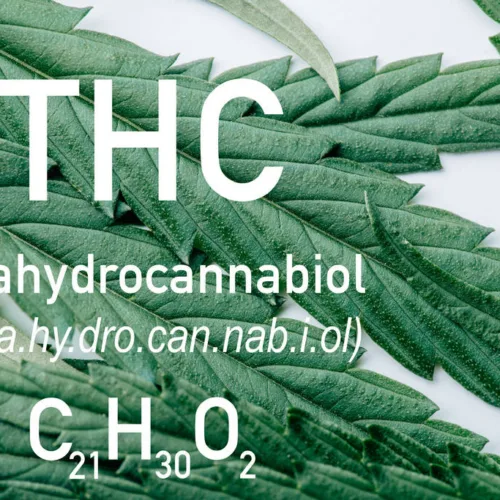
Chemical analysis found that cannabinoids accounted for 69.44% of the extract’s relative peak area. Delta-9 tetrahydrocannabinol (THC) and cannabinol (CBN) were tentatively identified as the most abundant constituents, representing 48.23% and 11.73% of relative peak area, respectively.
The researchers emphasized that those figures reflected relative signals detected during chemical analysis and should not be interpreted as the extract’s absolute cannabinoid concentrations.
UVB exposure approximately doubled intracellular ROS levels compared with nonirradiated cells. Pretreatment with 25 micrograms of cannabis extract per milliliter significantly reduced that increase.
The reduction did not appear to result from cell death. Cell viability remained above 80% at every concentration tested, including the highest dose of 200 micrograms per milliliter, with no statistically significant reduction compared with untreated cells.
UVB exposure also significantly suppressed MITF expression. Cannabis extract produced a dose-dependent restorative trend, with the highest tested concentration of 100 micrograms per milliliter significantly restoring MITF expression.
However, the extract did not significantly alter the expression of three downstream pigmentation-related genes: TYR, TYRP1 and TYRP2. Researchers said this could be because MITF responds more rapidly to cellular stress, while changes involving downstream enzymes may require additional time.
UVB radiation significantly increased tyrosinase activity, an enzyme involved in melanin production. Cannabis extract reduced that increase in a dose-dependent manner, reaching statistical significance at 100 micrograms per milliliter.
Despite reducing tyrosinase activity, the extract did not significantly lower total melanin content. Researchers said preserving melanin could be beneficial because the pigment provides a natural protective barrier against ultraviolet radiation.
The authors cautioned that the research involved an acute UVB exposure in a two-dimensional melanoma cell model rather than normal human skin. They called for additional testing using primary human melanocytes, reconstructed human skin, animal models and studies examining the molecular pathways responsible for the observed effects.
“CSE effectively neutralizes intracellular ROS accumulation and partially restores the transcriptional suppression of MITF,” the researchers concluded. They said the results provide a foundation for examining cannabis-derived extracts as potential components of products intended to support skin health and resistance to sunlight-related oxidative damage.