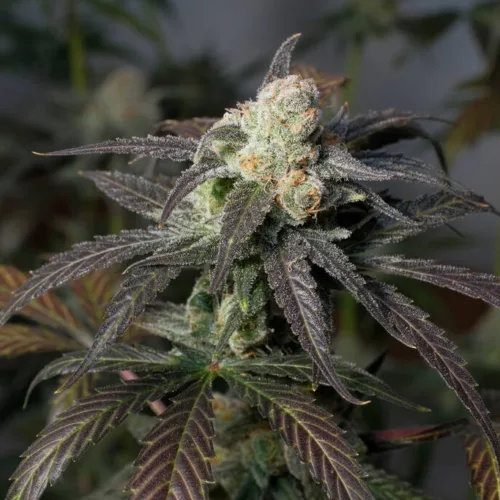
(Photo credit: Releaf).
Patients given a CBD-dominant cannabis oil before and after knee replacement surgery were substantially less likely to report moderate-to-severe chronic postsurgical pain at 12 weeks than those given a placebo, according to a new randomized controlled pilot trial.
The study, published in the Journal of Cannabis Research, was conducted by researchers from McMaster University, St. Joseph’s Healthcare Hamilton and the University of Toronto. Researchers said chronic postsurgical pain affects about 20% of people undergoing total knee replacement.
The multicenter trial included 37 patients scheduled for total knee arthroplasty, with 19 randomly assigned to receive a cannabis oil and 18 receiving a placebo. Participants had an average age of 66, 76% were women and 81% had never previously used cannabis.
The cannabis formulation, known as MPL-001, contained approximately 25 parts cannabidiol (CBD) to one part tetrahydrocannabinol (THC). Participants could receive up to 125 milligrams of CBD and 5 milligrams of THC per day. The oil also contained smaller amounts of cannabichromene (CBC), cannabinol (CBN) and cannabigerol (CBG).
Treatment began four weeks before surgery and continued for six weeks afterward, with participants experiencing pain given the option to continue treatment for up to 12 weeks following surgery.
At the 12-week follow-up, 13% of patients in the cannabis group reported moderate-to-severe chronic postsurgical pain, compared with 41% of those receiving placebo. That amounted to two of 15 assessed participants in the cannabis group and seven of 17 in the placebo group.
The difference was considerably smaller six months after surgery. At 26 weeks, moderate-to-severe chronic pain was reported by 14% of the cannabis group and 19% of the placebo group. One of the two cannabis-group patients reporting chronic pain at both follow-ups had not taken any of the study medication.
Treatment-related adverse events were similar between the groups, with 18 events reported among 11 cannabis recipients and 19 among 12 placebo recipients. The most common adverse effects were gastrointestinal problems, particularly nausea and diarrhea.
Researchers emphasized that the trial was designed primarily to determine the feasibility of conducting a larger study rather than to definitively establish the treatment’s effectiveness. They say the findings nevertheless provide an early clinical signal that a CBD-dominant cannabis formulation may warrant further investigation for preventing chronic pain following knee replacement surgery, particularly given the substantially lower rate of moderate-to-severe pain observed at 12 weeks.