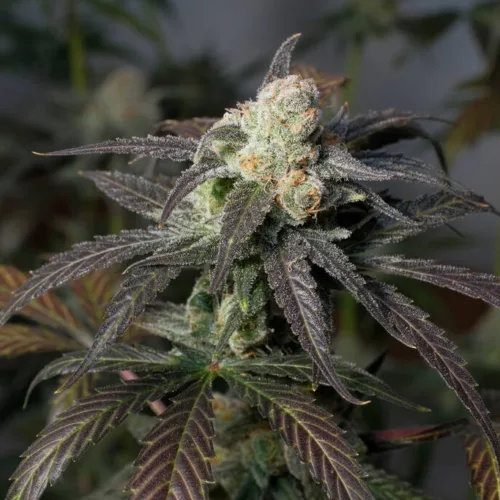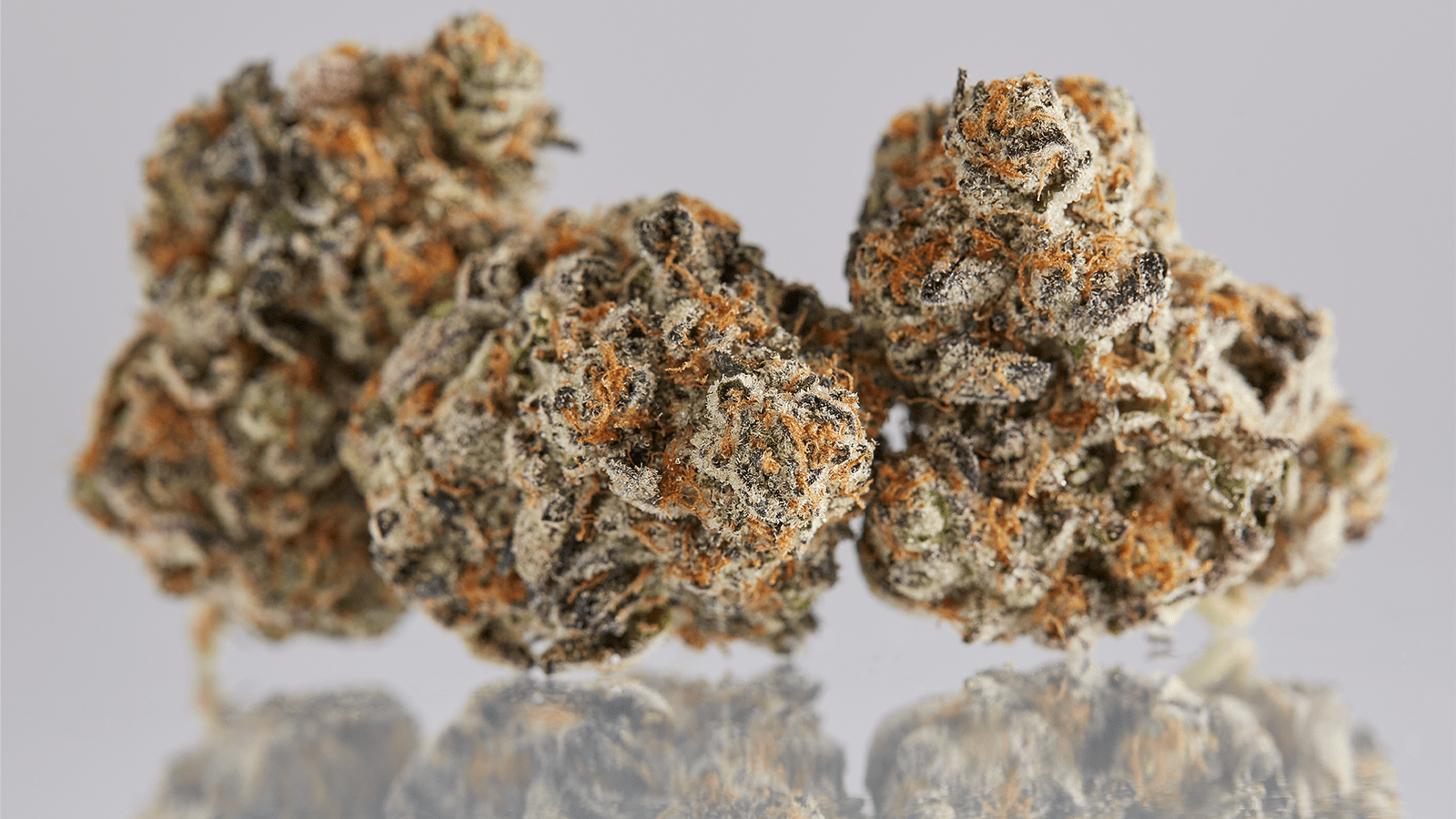
THC-rich marijuana products may lose potency significantly faster when stored at room temperature, while freezing can substantially improve their long-term stability, according to a new study published in Cannabis & Cannabinoid Research.
The study, published online August 11, was conducted by researchers primarily from the University of Mississippi’s National Center for Natural Products Research and School of Pharmacy. Researchers examined cannabis flower, extracts, oil formulations and isolated THC and cannabidiol (CBD) under different storage conditions.
Plant material included three different chemovars: one high in THC, one high in CBD and one with a more balanced THC-to-CBD profile. Pure THC and CBD isolates, extracts and a CBD oil formulation were also tested. Products were stored at room temperature, under refrigeration and in a freezer at −20°C, with cannabinoid levels measured periodically using gas chromatography.
Researchers found that room-temperature storage accelerated the degradation of THC into cannabinol (CBN) across most of the cannabis products examined. Freezing, in comparison, was considerably more effective at maintaining cannabinoid integrity.
THC-rich products were particularly vulnerable to degradation at room temperature. The greatest stability for THC was observed when it was kept in an ethanol-based solution and stored at −20°C.
CBD showed a notably different pattern. CBD-only products remained highly stable over the long term even when stored at room temperature, suggesting refrigeration or freezing may be less important for maintaining their cannabinoid content.
Researchers concluded that optimal storage conditions depend heavily on the cannabinoid makeup and type of product. For THC-rich products, they said cold storage — ideally freezing at −20°C — provides the best protection against degradation and loss of potency, while CBD-dominant products appear capable of maintaining stability at room temperature.