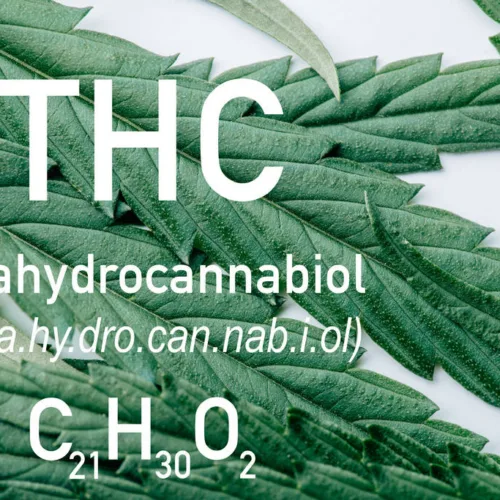
Cannabis conversations almost always revolve around two names: THC and CBD. They dominate product labels, educational articles and customer discussions because they are the most researched and widely recognized cannabinoids found in the cannabis plant. While both deserve their reputation, focusing only on these compounds creates an incomplete picture of what cannabis has to offer. The plant naturally produces more than a hundred different cannabinoids, many of which are only beginning to receive serious scientific attention.
For wellness oriented CBD users, this growing body of research presents an opportunity to better understand why different products can produce noticeably different experiences even when they contain similar amounts of CBD. Some people discover that one hemp extract supports their daily routine more effectively than another despite having nearly identical CBD concentrations. Others notice subtle differences in how various formulations fit into their lifestyle. These observations have encouraged researchers to look beyond the familiar cannabinoids and explore the broader chemical profile of cannabis.
Understanding lesser known cannabinoids does not mean abandoning CBD. Instead, it means appreciating that CBD exists within a much larger family of naturally occurring compounds that may influence the overall characteristics of cannabis products. Learning about these cannabinoids can help consumers make more informed purchasing decisions while avoiding the common mistake of judging every product solely by its THC or CBD percentage.
Why the Cannabis Plant Produces So Many Cannabinoids
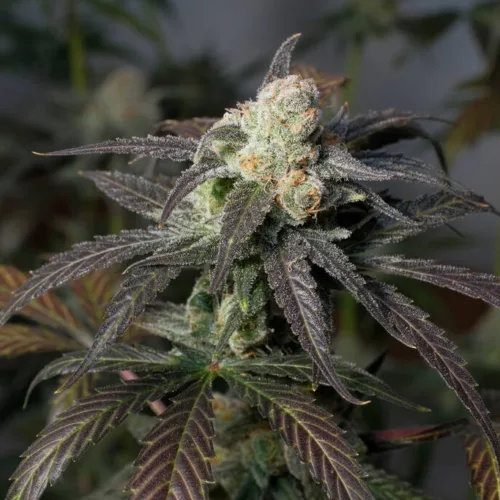
Cannabis is an incredibly complex botanical species that manufactures cannabinoids, terpenes, flavonoids and numerous other naturally occurring compounds. Scientists believe these chemicals evolved primarily to help protect the plant from environmental stressors, insects and ultraviolet radiation. Each cannabinoid begins as a precursor compound before gradually transforming into other cannabinoids as the plant matures.
This natural progression explains why different cannabis cultivars can contain remarkably different cannabinoid profiles. Factors such as genetics, growing conditions, harvesting time and post harvest handling all contribute to the final composition. Rather than viewing cannabis as a plant that simply produces THC and CBD, it is more accurate to think of it as a sophisticated chemical factory capable of creating a diverse range of compounds.
For wellness focused consumers, this complexity highlights the importance of choosing products that prioritize quality cultivation, careful extraction methods and transparent laboratory testing. A detailed cannabinoid profile often provides more meaningful information than a simple statement about CBD content alone.
Looking Beyond the Familiar Names
As cannabis research expands, several minor cannabinoids have attracted increasing scientific interest. Although they appear in much smaller concentrations than THC or CBD, these compounds contribute to the plant’s overall chemical diversity.
Some of the better known minor cannabinoids include:
- CBG, often called the “parent cannabinoid” because many other cannabinoids originate from its precursor form during plant development.
- CBC, a naturally occurring cannabinoid that continues to be explored for its unique biological interactions.
- CBN, commonly found in older cannabis material as THC gradually changes over time.
- THCV, a cannabinoid present in certain cannabis varieties that has generated significant research interest because of its distinct chemical behavior.
- CBDV, a naturally occurring variation of CBD that researchers continue to investigate for specialized applications.
Although research remains ongoing, the growing interest surrounding these cannabinoids reflects a broader shift away from evaluating cannabis products through only one or two ingredients. Instead, scientists increasingly examine how the complete cannabinoid profile contributes to the overall characteristics of a product.
Why Full Spectrum Products Continue to Gain Attention
One of the biggest pain points for wellness oriented CBD users is deciding between CBD isolate, broad spectrum and full spectrum formulations. Many first time buyers assume that higher CBD content automatically means better quality, but that assumption overlooks the role of additional plant compounds.
CBD isolate contains purified cannabidiol with virtually everything else removed. Some people appreciate this simplicity, especially if they want products containing only CBD. Broad spectrum extracts retain multiple cannabinoids while removing detectable THC. Full spectrum extracts preserve a wider range of naturally occurring cannabinoids, terpenes and plant compounds, including legally compliant levels of THC in hemp derived products where applicable.
The increased interest in full spectrum formulations stems from the belief that preserving more of the plant’s natural chemistry may create a more complete botanical profile. While researchers continue exploring these interactions, many consumers intentionally seek products that retain multiple cannabinoids rather than relying on CBD alone.
Understanding these differences helps reduce confusion during the buying process and encourages shoppers to look beyond marketing claims centered exclusively on CBD concentration.
The Importance of the Entourage Effect
The concept of the entourage effect has become one of the most discussed topics in cannabis science. The theory suggests that cannabinoids, terpenes and other naturally occurring compounds may work together in ways that differ from isolated compounds alone.
Although scientists continue investigating exactly how these interactions occur, the concept has influenced both product development and consumer education. Instead of maximizing only one cannabinoid, many manufacturers now focus on preserving the broader chemical composition found naturally within the plant.
This shift has also changed how experienced consumers evaluate products. Rather than asking only how much CBD is present, they often examine laboratory reports that reveal additional cannabinoids and terpene content. A richer cannabinoid profile can indicate a more comprehensive extraction process that preserves more of the original plant material.
For wellness users who have experimented with different CBD products and noticed varying experiences, understanding the entourage effect offers valuable context without relying on unrealistic expectations or exaggerated marketing promises.
Why Laboratory Testing Matters More Than Ever
Another common frustration among CBD users involves inconsistent product quality. Two products with identical CBD concentrations may differ substantially because of extraction methods, ingredient sourcing and cannabinoid diversity.
Third party laboratory testing helps address this issue by verifying cannabinoid content while screening for contaminants such as pesticides, heavy metals and residual solvents. Comprehensive certificates of analysis provide transparency that extends well beyond confirming CBD levels.
When evaluating cannabis or hemp products, consumers should look for reports that identify multiple cannabinoids instead of listing only THC and CBD. A detailed cannabinoid analysis demonstrates that the manufacturer values transparency and provides customers with a clearer understanding of what they are purchasing.
This growing emphasis on laboratory verification has encouraged reputable retailers like GotFlower to prioritize carefully selected products that emphasize quality, consistency and informed consumer choice rather than relying solely on attractive packaging or bold marketing language.
Minor Cannabinoids and the Future of Cannabis Research
Interest in minor cannabinoids continues expanding as legal access and scientific opportunities improve around the world. Universities, medical researchers and cannabis laboratories are studying how these compounds interact with biological systems while investigating potential future applications.
This research remains in its early stages, making it important for consumers to separate emerging science from unsupported claims. Headlines often exaggerate preliminary findings before sufficient evidence exists to support definitive conclusions. Responsible education requires acknowledging both the excitement surrounding new discoveries and the limitations of current research.
Fortunately, today’s consumers have greater access to reliable educational resources than ever before. Detailed laboratory reports, transparent ingredient information and growing scientific literature allow shoppers to evaluate products based on evidence instead of hype.
The expanding understanding of cannabinoids also encourages cannabis breeders to develop cultivars with increasingly diverse cannabinoid profiles. Rather than focusing exclusively on maximizing THC or CBD percentages, many breeders now explore genetics that naturally express higher concentrations of cannabinoids such as CBG, CBC or THCV. This broader approach contributes to a more diverse marketplace that serves different consumer preferences while encouraging continued innovation.
Becoming a More Informed CBD Consumer
Navigating the cannabis marketplace can feel overwhelming because product labels often highlight only one or two ingredients while overlooking the plant’s broader chemistry. Wellness oriented consumers benefit from taking a more comprehensive approach that emphasizes transparency, education and realistic expectations.
Instead of asking only how much CBD a product contains, consider questions such as whether the product includes multiple naturally occurring cannabinoids, whether laboratory testing is readily available and whether the manufacturer provides clear information about extraction methods and ingredient sourcing. These factors often provide a better indication of overall product quality than cannabinoid percentages alone.
As cannabis science evolves, consumers who understand the broader cannabinoid landscape will be better equipped to interpret product labels, evaluate new formulations and recognize meaningful differences between products. Rather than chasing trends or relying on simplified marketing messages, informed buyers can make decisions grounded in education and evidence.
The future of cannabis is unlikely to revolve around a single cannabinoid. Instead, it will increasingly recognize the remarkable complexity of the plant itself. Appreciating lesser known cannabinoids does not diminish the importance of THC or CBD. It simply acknowledges that these familiar compounds represent only part of a much richer botanical story that researchers continue to uncover.
FAQ
What are minor cannabinoids?
Minor cannabinoids are naturally occurring cannabis compounds found in smaller concentrations than THC and CBD. Examples include CBG, CBC, CBN, THCV and CBDV, each with unique chemical characteristics that researchers continue to study.
Why should CBD users learn about other cannabinoids?
Understanding additional cannabinoids helps consumers evaluate products more thoroughly instead of focusing only on CBD content. A broader cannabinoid profile may offer greater insight into how a product was formulated and extracted.
What is the entourage effect?
The entourage effect is a scientific theory suggesting that cannabinoids, terpenes and other plant compounds may interact together differently than isolated compounds. Research is ongoing, but the concept has influenced the development of many full spectrum cannabis products.
How can I identify a high quality cannabinoid product?
Look for products supported by third party laboratory testing, transparent ingredient information, verified cannabinoid profiles and reputable sourcing practices. These details provide greater confidence than CBD percentage alone.
Are researchers still studying lesser known cannabinoids?
Yes. Scientific interest in cannabinoids beyond THC and CBD continues to grow. Researchers are actively investigating their biological properties and interactions, although many areas require additional evidence before firm conclusions can be drawn.