Walk into any dispensary or browse an online cannabis menu and you’ll quickly notice familiar strain names appearing across multiple product categories. Some consumers gravitate toward names they’ve enjoyed before, while others focus on THC percentages or eye-catching descriptions. Although those details can be helpful, one of the most important factors influencing the final product often receives far less attention than it deserves: genetics.
Cannabis genetics form the foundation of every plant. They determine the characteristics a cultivar is capable of expressing, including its growth habits, cannabinoid production, terpene profile, structure and overall potential. Everything that happens during cultivation builds upon this genetic blueprint. Even the most skilled cultivator cannot produce exceptional cannabis from weak genetics, while outstanding genetics still require proper care to reach their full potential.
For wellness-oriented consumers who value consistency, understanding the role genetics play in cannabis quality can lead to better purchasing decisions. It also explains why products with similar THC percentages or identical strain names sometimes deliver noticeably different experiences. Looking beyond surface-level marketing allows consumers to appreciate the science and craftsmanship that begin long before a flower reaches the shelf.
Genetics Define a Plant’s Potential
Every cannabis plant starts with a unique genetic profile inherited through breeding. These genetics influence nearly every physical and chemical characteristic the plant will develop throughout its lifecycle.
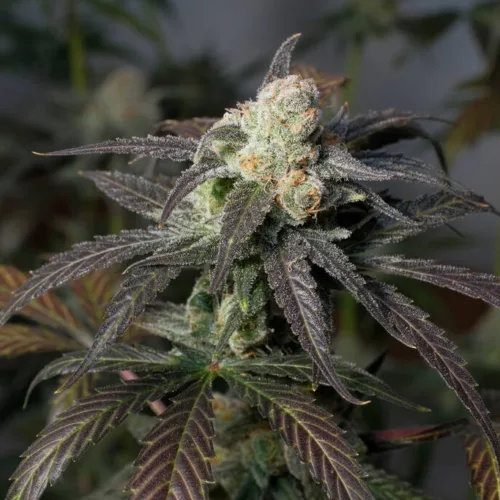
Some cultivars naturally produce dense, resin-rich flowers, while others develop lighter structures with distinctive terpene combinations. Certain genetics are known for citrus-forward aromas, while others consistently express earthy, floral or sweet characteristics. The plant’s resistance to environmental stress, flowering time and growth pattern also originate within its genetic makeup.
Cultivation techniques can help maximize these traits, but they cannot create characteristics that do not already exist within the plant’s DNA. This is why professional growers place enormous importance on selecting reliable genetics before planting begins.
Consumers may never see this stage of production, but the quality of those initial genetics has a lasting impact on the cannabis they ultimately purchase.
Why Similar Strain Names Can Produce Different Results
One common misconception is that every product carrying the same strain name will provide an identical experience. In reality, strain names alone do not guarantee consistency.
Different cultivators may source genetics from different breeding programs, maintain unique phenotype selections or use varying cultivation methods that influence how those genetics are expressed. Even when growers begin with similar genetics, environmental conditions, nutrient management and harvesting practices all contribute to the finished product.
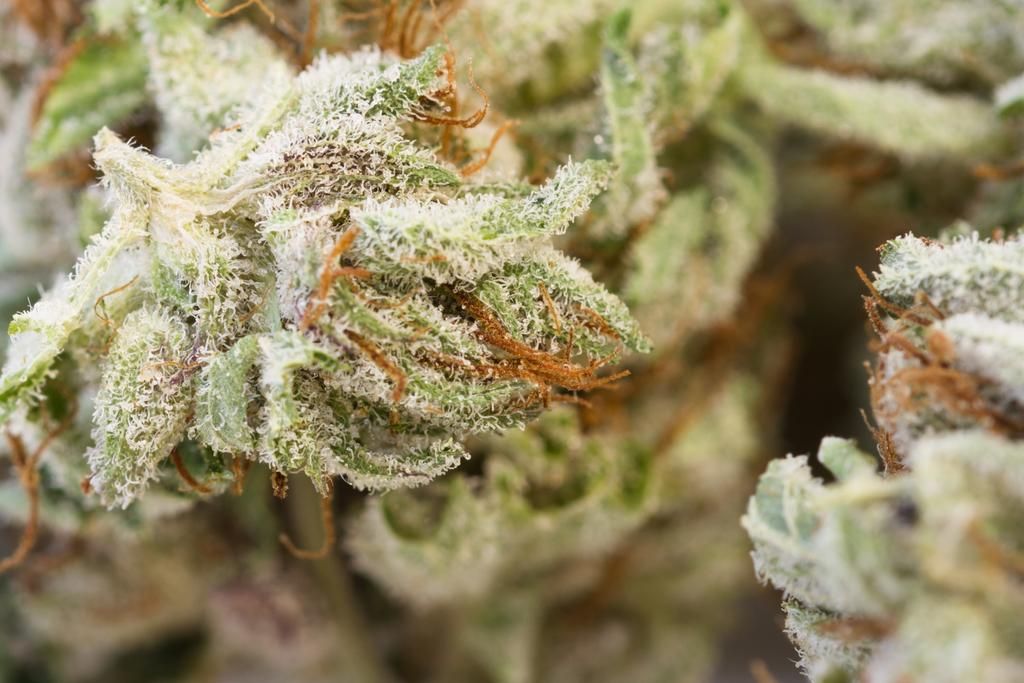
This explains why one version of a well-known cultivar may exhibit stronger aroma, denser trichomes or more pronounced terpene expression than another. Genetics establish the possibilities, but cultivation determines how successfully those possibilities are realized.
Consumers who recognize this relationship are less likely to judge products based solely on familiar names.
Genetics Influence Cannabinoid Development
THC often dominates conversations about cannabis, but cannabinoids represent a much broader family of naturally occurring compounds. The plant’s genetics largely determine which cannabinoids it is capable of producing and in what proportions.
While cultivation practices influence overall plant health, genetics establish the range within which cannabinoid production occurs. Some cultivars consistently develop higher THC concentrations, while others naturally maintain more balanced cannabinoid profiles that include CBD and various minor cannabinoids.
As cannabis research continues advancing, consumer interest has expanded beyond potency alone. Many shoppers now appreciate products that offer diverse cannabinoid compositions instead of focusing exclusively on maximum THC levels.
Understanding the genetic foundation behind these profiles helps consumers make more informed purchasing decisions based on their individual preferences.
Terpenes Begin With Genetics
Terpenes contribute significantly to the aroma and flavor that distinguish one cultivar from another. They also help explain why two flowers with similar cannabinoid content may smell and taste completely different.
Although cultivation and curing preserve terpene quality, genetics determine which terpene combinations a plant naturally produces. One cultivar may consistently develop bright citrus aromas dominated by limonene, while another expresses earthy, woody or peppery characteristics through entirely different terpene profiles.
Environmental conditions influence terpene intensity, but genetics determine the plant’s underlying aromatic identity. This is one reason experienced consumers often pay close attention to terpene information rather than relying solely on cannabinoid percentages.
A rich and balanced terpene profile begins with thoughtful breeding and strong genetic selection.
Selective Breeding Has Expanded Consumer Choice
The modern cannabis market offers tremendous variety because breeders have spent decades carefully selecting desirable characteristics and combining them through controlled breeding.
Selective breeding has produced cultivars with improved consistency, distinctive aromas, attractive flower structures and diverse cannabinoid profiles. Rather than relying on naturally occurring variation alone, breeders intentionally develop genetics that emphasize specific qualities valued by cultivators and consumers alike.
This ongoing work continues expanding the diversity available throughout today’s cannabis industry. Consumers now enjoy access to cultivars that deliver a wide range of sensory characteristics while maintaining reliable performance across multiple harvests.
The increasing sophistication of breeding programs benefits everyone, from commercial cultivators to individuals simply looking for dependable cannabis products.
Cultivation Cannot Replace Strong Genetics
Skilled cultivation plays an essential role in producing premium cannabis, but it cannot compensate for poor genetic quality.
Experienced growers carefully manage lighting, temperature, humidity, irrigation and nutrient schedules throughout the growing cycle. These practices allow plants to reach their genetic potential, but they cannot fundamentally change the characteristics encoded within the plant itself.
Likewise, exceptional genetics cannot fully overcome poor cultivation. Plants grown under inconsistent conditions may never express the quality they were capable of producing.
Premium cannabis therefore depends on both factors working together. Strong genetics provide the blueprint, while expert cultivation allows those traits to develop successfully.
Understanding this relationship helps explain why quality begins long before flowers appear on the plant.
Stability Creates Better Consumer Confidence
One advantage of refined genetics is greater consistency from harvest to harvest. Stable cultivars produce predictable characteristics that consumers learn to recognize over time.
Reliable genetics help cultivators maintain similar cannabinoid and terpene profiles across multiple growing cycles when environmental conditions remain consistent. This predictability benefits consumers who return to favorite cultivars expecting comparable quality with each purchase.
Without genetic stability, products carrying identical names could vary dramatically between harvests, making consistent shopping experiences much more difficult to achieve.
For wellness-oriented consumers who value reliability, stable genetics contribute significantly to overall satisfaction.
Genetics Influence More Than Appearance
Visual appeal often attracts attention first, but genetics affect far more than color or bud structure.
The density of flowers, trichome production, branching patterns, flowering duration and resistance to pests all originate within the plant’s genetic makeup. These characteristics influence not only how cannabis looks but also how efficiently it can be cultivated and how consistently it performs throughout production.
Consumers sometimes assume beautiful flowers automatically indicate superior quality. While appearance certainly reflects healthy cultivation, many of the most important qualities remain rooted in genetics that cannot be judged through visual inspection alone.
Looking beyond appearance encourages more informed product evaluation.
Choosing Cannabis With Genetics in Mind
Consumers do not need formal botanical knowledge to benefit from understanding cannabis genetics. Instead, recognizing that genetics influence every stage of production encourages more thoughtful purchasing decisions.
Rather than focusing exclusively on THC percentages or attractive packaging, consider products from producers known for consistent cultivation and carefully selected genetics. Reputable retailers also play an important role by sourcing cannabis from cultivators who prioritize quality throughout breeding, cultivation and post-harvest handling.
For consumers looking to explore premium cannabis from trusted producers, Online Dispensary offers a carefully curated selection designed to emphasize quality, consistency and value across multiple cannabis categories. Purchasing from dependable sources gives consumers greater confidence that the genetics behind each product have been supported by equally careful cultivation practices.
Final Thoughts
Cannabis genetics shape every stage of a plant’s development, influencing cannabinoid production, terpene profiles, flower structure and overall quality long before cultivation begins. While growing techniques, curing methods and storage all contribute to the finished product, they build upon the genetic foundation established from the very beginning.
Consumers who understand the importance of genetics are better equipped to evaluate cannabis beyond simple potency claims or familiar strain names. As breeding programs continue advancing and product quality becomes increasingly sophisticated, genetics will remain one of the most important factors separating exceptional cannabis from ordinary alternatives.
FAQ
What are cannabis genetics?
Cannabis genetics refer to the inherited characteristics that determine how a plant grows, develops cannabinoids and terpenes, and expresses traits such as flower structure, aroma and growth patterns.
Do genetics matter more than THC percentage?
They influence different aspects of the plant, but genetics provide the foundation for cannabinoid production, terpene development and overall quality. THC percentage alone does not tell the complete story.
Why can the same strain name vary between producers?
Different growers may use different genetic lineages, phenotype selections and cultivation techniques, resulting in noticeable differences even when products share the same strain name.
Can good cultivation overcome poor genetics?
No. Skilled cultivation can help a plant reach its genetic potential, but it cannot create qualities that are not already present in the plant’s genetic makeup.
Why should consumers care about cannabis genetics?
Understanding genetics helps consumers make more informed purchasing decisions by recognizing that long-term quality, consistency and product characteristics begin with the plant’s genetic foundation rather than appearance alone.