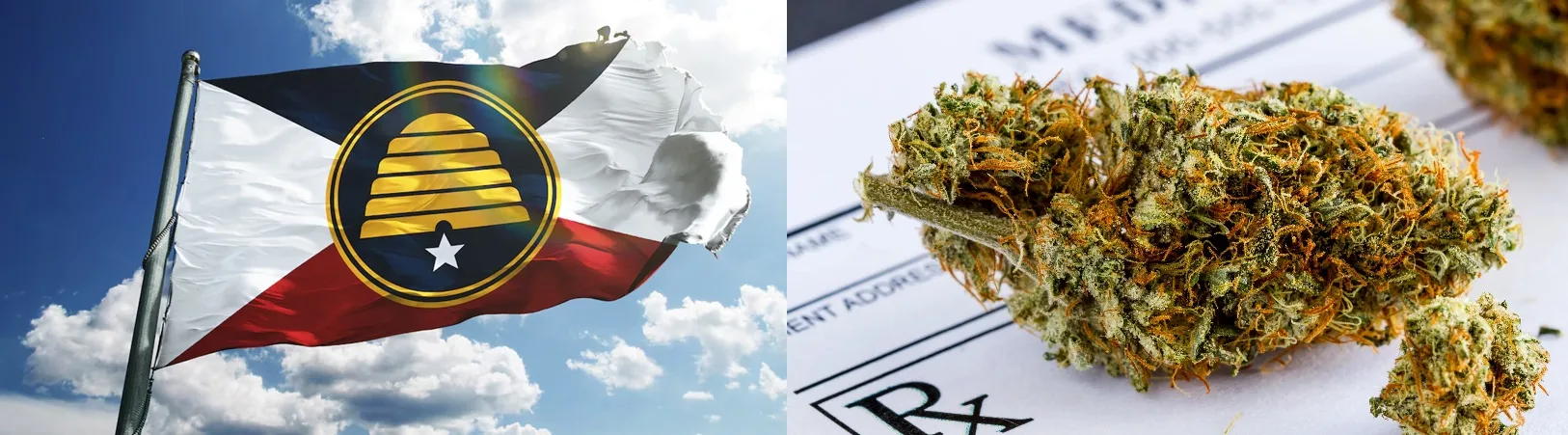
Utah regulators have added medical marijuana purchase histories to the state’s Controlled Substance Database, giving authorized health care providers and controlled substance dispensers access to more detailed information about patients’ medical marijuana purchases.
The Utah Department of Commerce’s Division of Professional Licensing announced the new search function this week. The system update took effect June 24 and pulls dispensing information from Utah’s Electronic Verification System (EVS).
Previously, the Controlled Substance Database could indicate that a patient participated in the state’s medical marijuana program. The new module allows authorized users to verify a patient’s medical marijuana card and review their actual dispensing history, with information generally available the day after a purchase.
Users can search for a patient by name and date of birth and adjust the period being reviewed. The system defaults to a one-year lookback period.
Search results display the patient’s name, date of birth, medical marijuana card number and status, as well as the card’s effective and expiration dates.
Selecting a patient then provides a more detailed purchase history, including the date of each purchase, dosage type, quantity, flower dosage, composite dosage, the medical marijuana facility where the product was purchased and the name and National Provider Identifier of the provider associated with the patient.
Authorized users can also generate a printable report summarizing a patient’s purchases, including total flower and composite amounts.
The change effectively integrates more of Utah’s medical marijuana tracking system into the same database used by authorized health professionals to review controlled substance dispensing information.
Utah’s medical marijuana program operates through state-licensed pharmacies rather than conventional dispensaries. Patients must hold a valid medical marijuana card to purchase products through the regulated system.