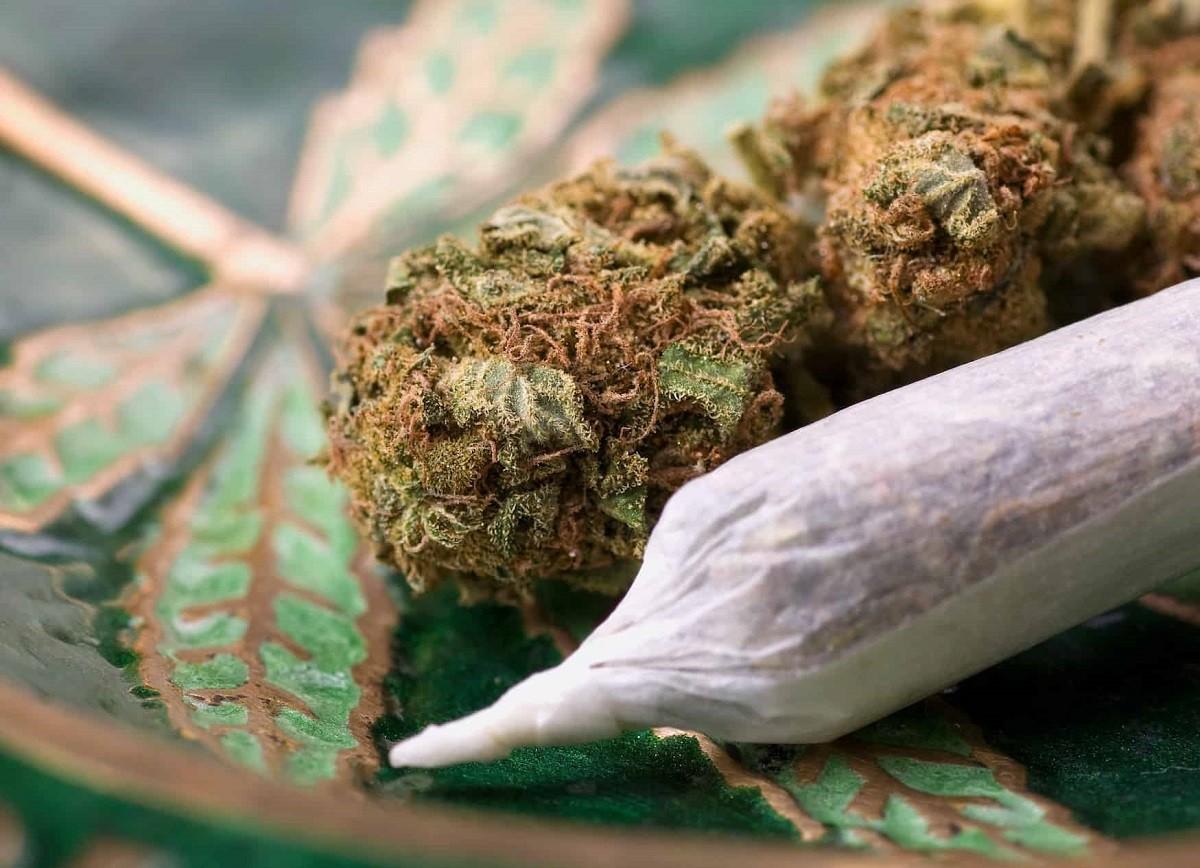
Marijuana use among Vermont high school students declined significantly in 2025, with both current and lifetime use falling to their lowest levels in at least a decade, according to a new report from the Vermont Department of Health.
The 2025 Vermont Youth Risk Behavior Survey found that 18% of high school students reported using marijuana during the past 30 days, down from 22% in 2023. Current use was also below the 22% reported in 2015 and well below the 27% recorded in 2019.
Current marijuana use increased steadily by grade level, ranging from 10% among ninth graders to 15% among 10th graders, 20% among 11th graders and 24% among seniors. Overall use did not statistically differ between male and female students.
Lifetime marijuana use also declined. Three in 10 high school students, or 30%, said they had ever tried marijuana, compared with 35% in 2023 and 37% in 2015. The 2025 figure represents a statistically significant decline from both years. Lifetime use stood at 16% among ninth graders, 25% among 10th graders, 35% among 11th graders and 42% among seniors.
The downward trend extended to younger students. Among Vermont middle school students, 3% reported using marijuana during the previous 30 days, down from 4% in 2023. The two-year decline was statistically significant, although the Department of Health said the 2025 rate was not statistically different from the 2015 rate. Marijuana use ranged from 1% among sixth graders to 3% among seventh graders and 5% among eighth graders.
Other marijuana-related measures declined as well. Among high school students who drove during the previous 30 days, 10% reported driving while using marijuana, down from 12% in 2023. Meanwhile, 18% of high school students reported riding with a driver who had been using marijuana, compared with 22% in 2023. Both declines were statistically significant.
The survey was administered between January and May 2025 at 58 Vermont high schools. Of 15,402 completed questionnaires, 15,077 passed quality-control checks and were included in the final data set. Participation was anonymous and voluntary, with results weighted to account for absenteeism, incomplete surveys and nonparticipating schools.
Vermont voters legalized recreational cannabis in 2018, with the first sales occurring in 2022.


Related posts:
State-Funded Illinois Study Finds 26% of Tested Hemp Edibles Exceeded 10mg THC Per Piece, One Contai...
Study Finds Brain’s Natural Cannabinoid System Declines With Age, While Low-Dose THC May Help Counte...