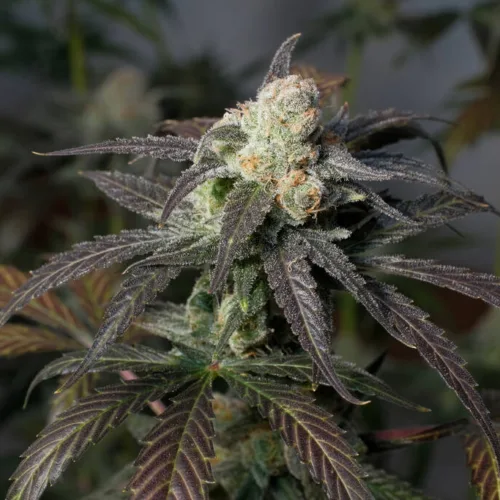
A 10-year study involving 1,000 patients with chronic low-back pain found that “medical cannabis therapy was associated with reductions in opioid use, pain intensity, and functional disability over 10 years, accompanied by polypharmacy reduction and acceptable tolerability.”
The study, published September 14 in the European Spine Journal, was conducted by researchers from Rabin Medical Center, Tel Aviv University and Clalit Health Services in Israel. Researchers followed 1,000 patients who had never previously used marijuana and had imaging-confirmed chronic low-back pain.
All participants had used opioids continuously for at least a year and had failed to receive adequate relief from conventional treatments such as physical therapy, nonsteroidal anti-inflammatory drugs and opioid therapy.
Of the original participants, 638 completed all 10 years of follow-up.
Among those patients, average opioid use fell from 62.8 morphine milligram equivalents per day at the beginning of the study to 6.4 milligrams per day after 10 years, a reduction of 89.8%. More than 91% achieved at least a 50% reduction in opioid use, while 6.6% stopped using opioids entirely.
Pain scores declined from an average of 8.71 on a 10-point scale to 1.37, an 84.2% reduction. Nearly 97% of patients achieved at least a 30% reduction in pain, and 89.2% reported only mild pain or less by the end of the study.
Functional disability also improved. Scores on the Oswestry Disability Index fell from 52.9% to 36.8%, a 30.4% reduction, with 62.1% of patients achieving what researchers considered a clinically meaningful improvement.
The study also documented large reductions in other medications. Use of tramadol or tapentadol fell from 89.7% of patients to 5.6%, benzodiazepine use dropped from 78.8% to 5.3%, selective serotonin reuptake inhibitor use declined from 77.7% to 5.8%, and gabapentinoid use fell from 31.3% to 0.6%.
Patients received medical marijuana under physician supervision, primarily through vaporized flower or oral oils. Opioid reductions were made according to patients’ clinical response rather than through a mandatory tapering protocol.
Adverse events were generally mild. Across 8,089 patient visits, tolerability-related adverse events were reported at 11.4% of visits, most commonly dry mouth and gastrointestinal symptoms. Serious psychiatric events occurred at just two visits, or 0.02%, and researchers reported no hospitalizations, deaths, treatment discontinuations due to adverse events or cases of cannabis use disorder.
Researchers said that although the findings themselves do not necessarily establish that marijuana caused the improvements, the findings provide what they describe as the longest follow-up to date examining medical marijuana specifically among patients with chronic low-back pain and warrant further testing in randomized controlled trials.
The study concluded:
In this uncontrolled observational study, medical cannabis therapy was associated with reductions in opioid use, pain intensity, and functional disability over 10 years, accompanied by polypharmacy reduction and acceptable tolerability. Effect sizes substantially exceeded RCT benchmarks (e.g., − 0.6 NRS difference vs. placebo in a recent phase 3 trial), suggesting observational biases contribute to these findings. These hypothesis-generating data warrant validation in randomized controlled trials.