A new analysis from the Centers for Disease Control and Prevention (CDC) found that cannabis was the sole drug involved in just nine out of more than 209,000 overdose deaths examined over a four-and-a-half-year period.
The analysis, published September 3 in the CDC’s Morbidity and Mortality Weekly Report, examined 209,166 unintentional and undetermined-intent drug overdose deaths occurring from January 2021 through June 2025 across 31 states and Washington, D.C.
Cannabis was detected through postmortem toxicology in 43,880 deaths, representing 21% of the total. However, detection does not mean cannabis caused or contributed to the death.
Medical examiners or coroners listed cannabis as being “involved” in, 1,687 deaths, equal to 0.8% of all overdose deaths analyzed.
In just nine cases, or 0.004% of the 209,166 deaths, cannabis was the only drug determined to be involved.
The CDC notes that cannabis alone “rarely causes fatal overdoses.” The report does not provide individual case details for the nine deaths in which cannabis was listed as the sole drug involved, making it unclear what circumstances led medical examiners or coroners to attribute those deaths to cannabis alone.
The vast majority of overdose deaths in which cannabis was detected involved other substances.
Among deaths with cannabis detected, 73.5% also involved illegally manufactured fentanyl, while 60.4% involved stimulants such as cocaine or methamphetamine. Some deaths involved both categories.
Researchers used data from the CDC’s State Unintentional Drug Overdose Reporting System (SUDORS), which compiles information from death certificates, medical examiner and coroner reports and postmortem toxicology testing.
SUDORS records substances detected during toxicology testing even when they are not determined to have contributed to a person’s death, allowing researchers to distinguish between a drug simply being present and a drug being considered involved in the fatal overdose.
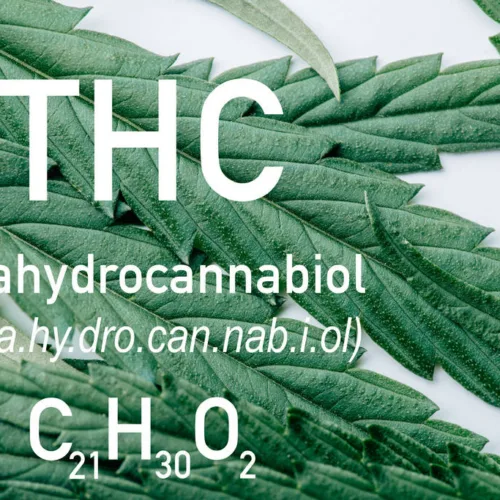
For the study, cannabis included naturally derived cannabinoids such as THC and CBD as well as dronabinol, but excluded synthetic cannabinoids.