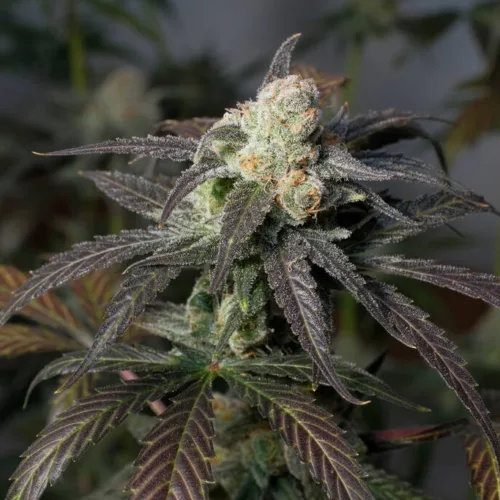
Connecticut will eliminate its 70% THC potency cap on adult-use marijuana concentrates beginning October 1, while retaining the state’s 35% limit for marijuana flower.
The change stems from two cannabis laws approved by lawmakers earlier this year. Public Act 26-8, signed by Governor Ned Lamont in May, initially removed potency limits for marijuana flower, other plant material and concentrates. A subsequent measure, Public Act 26-100, restored the 35% THC limit for flower but left the removal of the concentrate cap in place.
Under current law, marijuana establishments generally cannot sell adult-use cannabis products containing more than 70% THC on a dry-weight basis, with an existing exception for prefilled cartridges used in electronic cannabis delivery systems.
Beginning October 1, that restriction will also no longer apply to marijuana concentrates or other marijuana plant material. The revised statute specifically exempts concentrates, other plant material and prefilled cartridges from the 70% limit.
Connecticut law defines a marijuana concentrate as any concentrated form extracted from marijuana, including extracts, oils, tinctures, shatter and waxes.
The state’s Office of Legislative Research said Public Act 26-8 was designed to eliminate THC caps for flower, other plant material and concentrates. When lawmakers subsequently passed Public Act 26-100, analysts described the legislation as reverting only the flower provision to existing law, keeping flower capped at 35% THC.
The change does not eliminate Connecticut’s rules identifying high-potency marijuana products. State law requires warnings for certain high-THC products and additional display and advertising requirements for products exceeding specified potency thresholds.
Public Act 26-100 was signed by Lamont on June 2 after passing both chambers of the General Assembly. The concentrate provisions take effect October 1.