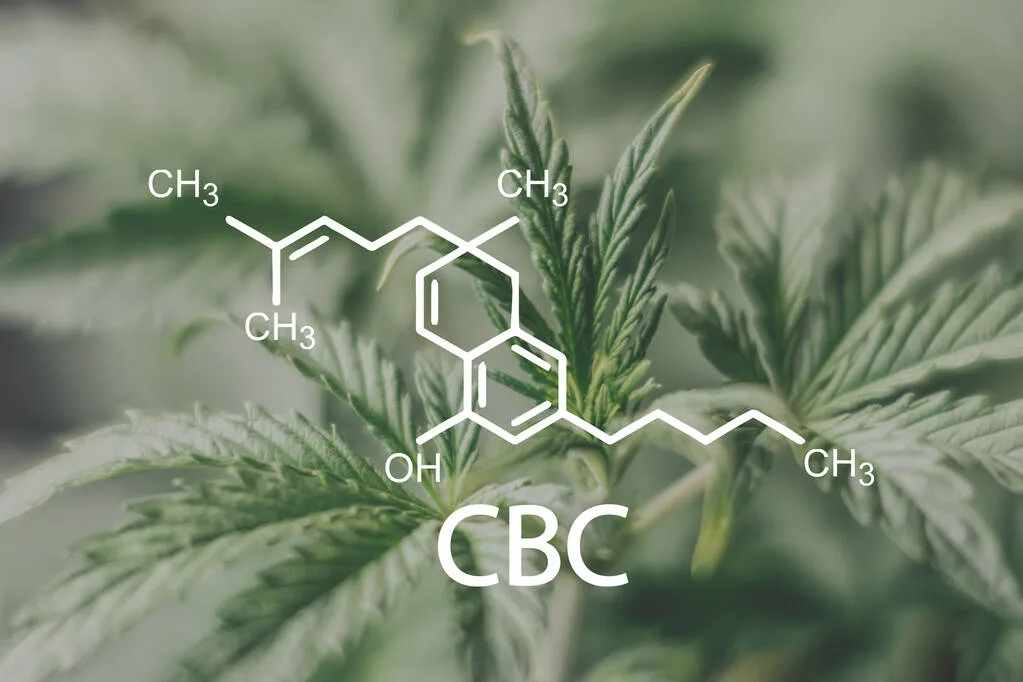
Scientists have developed new compounds derived from cannabichromene (CBC), a naturally occurring cannabinoid found in marijuana, that significantly inhibited cancer cell growth and triggered programmed cell death in laboratory experiments.
The study, published October 23 in the Journal of Natural Products, was conducted by researchers from Hunter College and the City University of New York Graduate Center. Researchers developed a series of chemically modified CBC compounds and evaluated their anticancer activity against a panel of 60 human cancer cell lines.
Among the compounds tested, two demonstrated particularly strong activity across multiple types of cancer. One compound, identified as compound 9, showed especially notable effects against two prostate cancer cell lines, PC-3 and DU-145.
The compound inhibited cancer cell growth at concentrations of 2.01 and 1.86 micromolar, respectively, while producing pronounced cytotoxic effects at higher concentrations. Researchers also confirmed that the compound induced apoptosis, a process of programmed cell death that allows damaged or abnormal cells to be eliminated.
The findings suggest that modifying the chemical structure of CBC may produce compounds with stronger anticancer properties. Researchers noted that compound 9 demonstrated activity across several cancer types, indicating that its effects may involve cellular pathways shared by different forms of cancer.
Unlike studies examining naturally occurring cannabinoids in their original form, this research focused on synthetic derivatives built from CBC’s molecular structure. The approach could provide a foundation for developing new anticancer medications based on compounds found in marijuana.
The researchers concluded that the findings support further investigation into CBC-derived compounds as potential anticancer agents, particularly through additional chemical optimization and studies examining how they affect cancer cells.