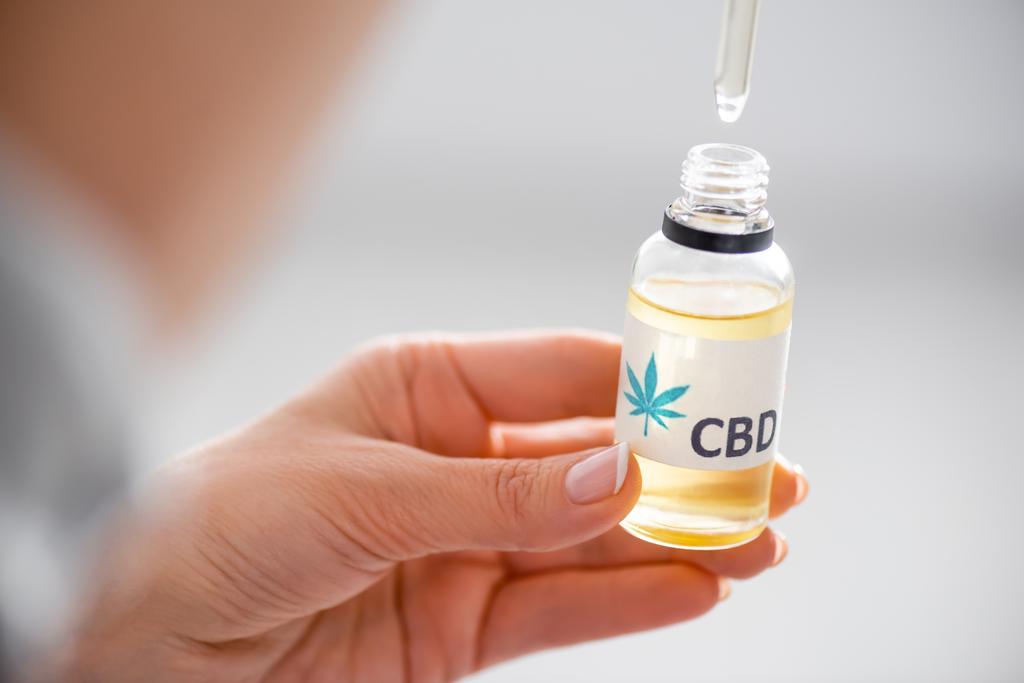
Cannabidiol (CBD) may help protect against methamphetamine-related nerve-cell damage by reducing inflammation and oxidative stress while supporting cellular energy and cleanup processes, according to a new scientific review. The paper examines how the marijuana compound may act on several mechanisms involved in neurological injury.
The review, published October 20 in Neural Regeneration Research, was conducted by Wei Zhao, Di Shan, Ming Liu and Yifan Wang, whose affiliations include the Criminal Investigation Police University of China in Shenyang. The authors describe CBD as having “neuroprotective effects mediated through multiple targets and pathways.”
The review examines evidence involving oxidative stress, brain inflammation, mitochondrial dysfunction, disrupted neurotransmitter systems and imbalances in processes controlling cellular maintenance and death. Its focus is on how CBD may influence these different sources of injury.
Mitochondria supply energy that cells need to function, while autophagy allows cells to break down and recycle damaged components. Apoptosis is programmed cell death, a separate process that can contribute to the loss of nerve cells.
The authors discuss CBD’s potential to stabilize mitochondrial function, regulate autophagy and apoptosis, and influence chemical signaling between cells. They describe the work as providing a theoretical basis for its “potential use as an adjunctive therapy for methamphetamine abuse and associated neural injury.”
Separate experimental research helps illustrate the biological processes discussed in the review. A study published June 24 in the International Journal of Molecular Sciences examined CBD’s effects on primary rat hippocampal neurons exposed to methamphetamine.
Researchers from Kunming Medical University found that methamphetamine reduced cell viability and disrupted autophagy, producing evidence that cells were not properly breaking down material through their normal cleanup system. CBD at concentrations of 1 to 10 micromolar counteracted these changes and improved neuronal viability.
The experiments also identified a role for the serotonin 5-HT1A receptor. Blocking that receptor eliminated CBD’s protective effects, while a compound that activates it strengthened CBD’s effects on autophagy. These findings came entirely from isolated rat neurons.
Another study, published October 15 in Folia Neuropathologica, examined iron-associated oxidative injury in human brain tissue and a mouse model. Researchers found increased iron, greater lipid damage and reduced levels of the protective protein GPX-4 in brain tissue from people with chronic methamphetamine exposure.
Similar changes occurred in methamphetamine-exposed mice, while CBD pretreatment partially reduced the biochemical damage and weakened drug-associated behavior. The CBD intervention was tested in mice; the human component involved examination of post-mortem tissue.
The new review does not report a clinical trial or establish a treatment dose. Whether CBD can prevent or reverse methamphetamine-related neurological injury in patients remains unproven.