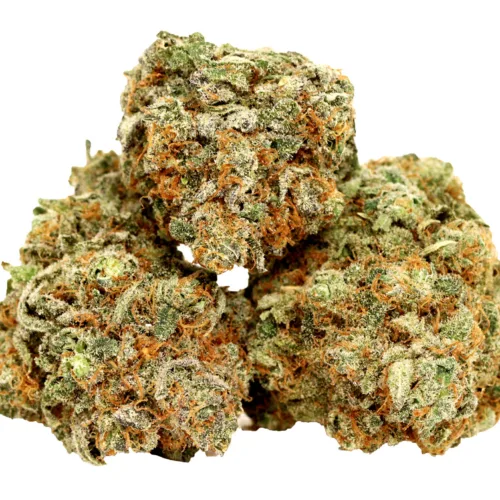
Adults with epilepsy who reported recent marijuana use performed comparably to those without recent use across a range of cognitive tests, according to a new study published in Archives of Clinical Neuropsychology.
Researchers examined 78 adults undergoing neuropsychological evaluations as part of planning for epilepsy surgery. Participants had an average age of approximately 40. Of the group, 32 reported marijuana use within the previous month, while 46 reported no use during that period.
The evaluations measured verbal and visual learning and memory, attention, working memory, processing speed, executive functioning and language. Researchers also assessed estimated intellectual functioning before illness.
Across those domains, the two groups demonstrated comparable performance. They did not differ significantly in age or estimated prior intellectual functioning, although the marijuana-use group included more men.
One initial analysis suggested a possible difference in delayed verbal recall, with participants who used marijuana scoring slightly lower. However, that result did not reach statistical significance and did not hold up after correction for multiple comparisons or an analysis accounting for sex.
“In this clinical epilepsy sample, current CU was not associated with differences in neurocognitive functioning,” the researchers wrote, using CU to refer to cannabis use.