According to a new scientific analysis published yesterday in the journal Nordic Studies on Alcohol and Drugs, alcohol consumption and alcohol-related hospitalizations continued to decline in Germany following the country’s legalization of marijuana in 2024. The analysis, onducted by researchers affiliated with University Medical Center Hamburg-Eppendorf and Heinrich Heine University Düsseldorf in Germany, also highlights a 53% reduction in marijuana-related offenses.
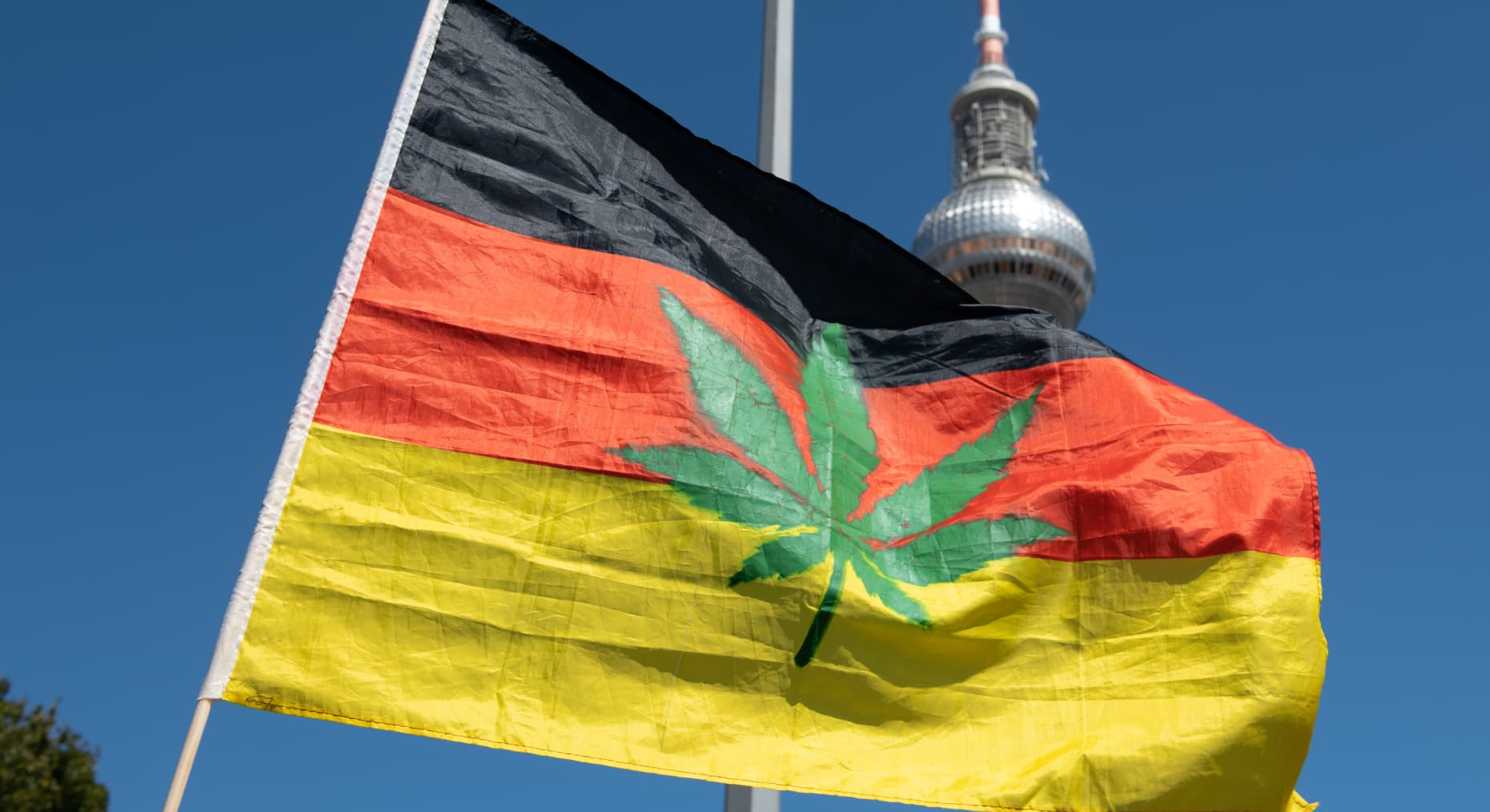
Germany legalized marijuana possession, home cultivation and nonprofit cultivation associations in April 2024. The reform also removed medical marijuana from the country’s Narcotics Act, simplifying access for patients and contributing to substantial growth in the medical marijuana market.
According to the researchers, alcohol consumption in Germany has continued a downward trajectory that began well before legalization. Annual per-capita consumption among residents ages 15 and older declined from 12.2 liters of pure alcohol in 2010 to 11.3 liters in 2022, before reaching a record low of 10.5 liters in 2024.
Preliminary, unpublished figures suggest alcohol consumption declined further in 2025, although the researchers cautioned that more comprehensive analyses are necessary to determine whether marijuana legalization contributed to these changes.
Alcohol-related hospitalizations followed a similar pattern. Germany recorded 270,743 hospitalizations involving primary diagnoses of alcohol use disorders or alcoholic liver cirrhosis in 2023, compared with 266,783 in 2024. That represents a decline of nearly 4,000 hospitalizations during the year marijuana legalization took effect.
“Taken together, these aggregate figures do not suggest that cannabis legalization has led to an increase in alcohol use,” the researchers wrote.
The authors also examined earlier findings concerning marijuana use and criminal enforcement. Multiple surveys conducted before and after legalization have found that marijuana consumption among German adults has not increased substantially compared with the period preceding the reform.
Meanwhile, police-recorded marijuana offenses, primarily involving possession of small amounts, declined by 53% between 2023 and 2024. The reduction reflects the elimination of criminal penalties for activities that became legal under the new law, substantially reducing the number of marijuana-related cases handled by law enforcement.
The paper additionally discusses nicotine use, noting that marijuana is frequently consumed with tobacco in Germany. Researchers say they next intend to examine whether legalization affects cigarette smoking, vaping and other nicotine consumption patterns.
Germany’s legalization approach differs significantly from the commercial recreational marijuana markets established in Canada and many U.S. states. The country allows personal cultivation and nonprofit associations rather than a nationwide system of licensed recreational marijuana retailers, making its experience particularly relevant to comparisons of different legalization models.
Two of the study’s researchers are participating in the country’s government-supported evaluation of marijuana legalization, with a final report scheduled for April 2028. That assessment is expected to examine alcohol and nicotine consumption alongside marijuana use, health outcomes and other consequences of the reform.