Tennessee Senator Heidi Campbell (D) has confirmed that she will reintroduce legislation to legalize recreational marijuana in 2027, telling The Marijuana Herald that lawmakers are meeting Wednesday evening to prepare the new version of the proposal.
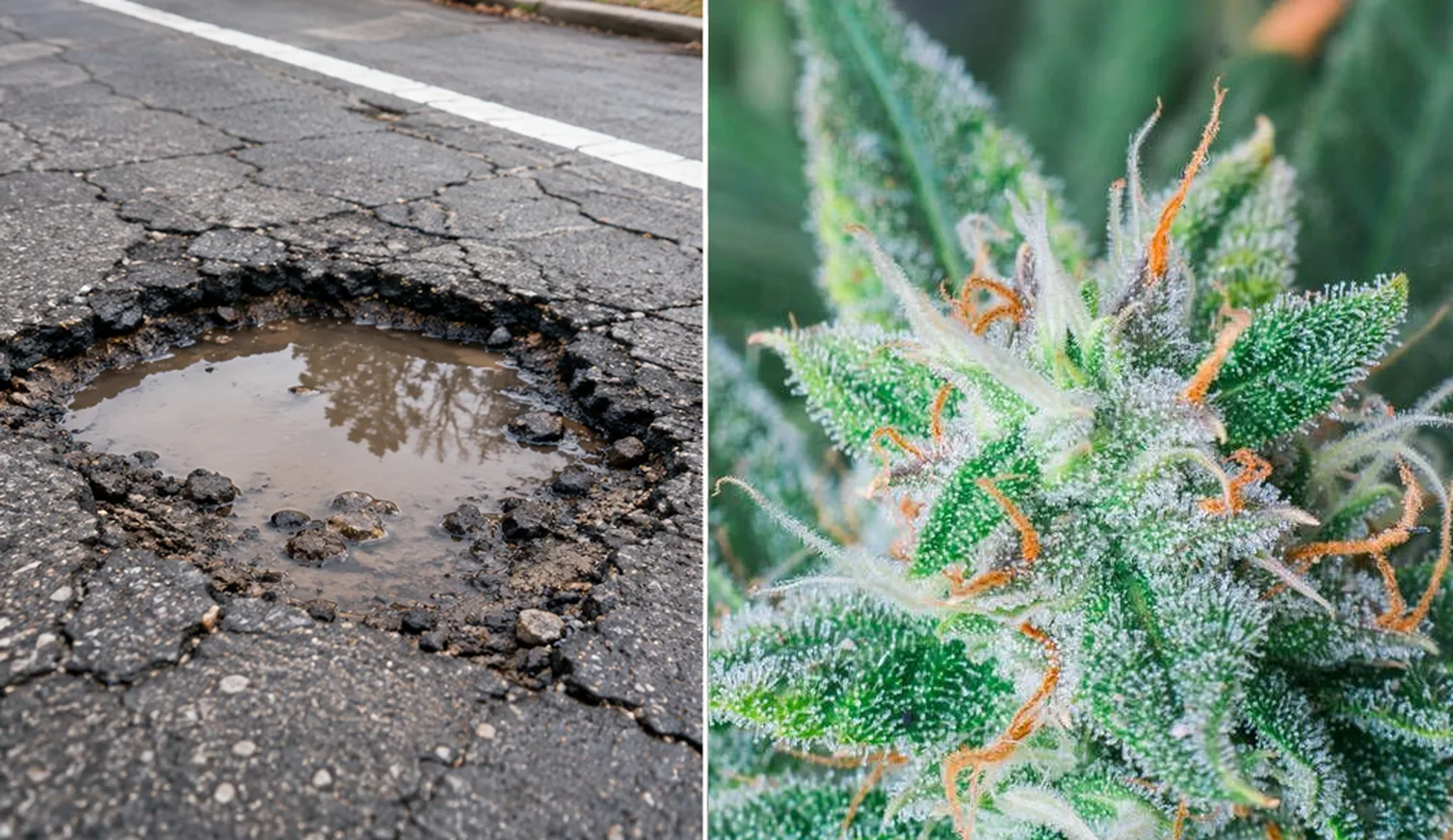
Campbell says there are currently no plans to make changes to the measure, which would establish a regulated marijuana market and direct tax revenue toward road repairs and infrastructure.
In an exclusive statement provided to The Marijuana Herald on Tuesday, Campbell confirmed that she and Representative Aftyn Behn (D) intend to bring back the Pot for Potholes Act, which has been introduced in the previous two legislative sessions.
“Yes, I plan to reintroduce the Pot for Potholes Act in the 2027 session,” Campbell said. “Tennesseans are already buying cannabis, whether across state lines or on an unregulated market.”
Campbell said the proposal offers Tennessee an opportunity to regulate marijuana sales, improve consumer safety and retain tax revenue currently flowing to other states. She also revealed that preparations for the upcoming legislative session are already underway.
“We are meeting tomorrow evening to prepare the 2027 version,” Campbell told The Marijuana Herald. “Right now we don’t have any plans to change it.”
In her statement to The Marijuana Herald, Campbell emphasized the potential economic benefits of legalization.
“Tennessee is surrounded by states that are collecting cannabis revenue that should be staying here,” said Campbell, adding that the legislation would regulate an existing market and invest the proceeds in roads and infrastructure. “Rep. Behn and I are bringing it back in 2027.”
The 2026 version of the Pot for Potholes Act, Senate Bill 2440 and House Bill 2525, would have legalized marijuana possession and sales for adults 21 and older, allowing possession of up to 60 grams and personal cultivation of up to 12 plants. It also would have established a commercial licensing system overseen by the Tennessee Department of Agriculture, covering cultivation, processing, testing, transportation and retail sales.
Under the proposal, marijuana purchases would be subject to a 15% tax in addition to existing sales taxes, with most of the resulting revenue directed toward the state’s highway fund. Additional funding would support local governments, regulatory administration and community reinvestment programs.
The measure also included provisions addressing past marijuana convictions and creating opportunities for small businesses, veterans and communities disproportionately affected by marijuana prohibition.
Despite these provisions, the legislation failed to advance during the 2026 session. The Senate Judiciary Committee rejected SB 2440 by a 7-2 vote on March 24, while the House companion bill was removed from its subcommittee calendar the following day.
Tennessee remains one of the states without recreational marijuana legalization or a comprehensive medical marijuana program. The upcoming proposal would represent another attempt to establish a regulated market in a legislature where previous legalization efforts have faced substantial opposition.