Total Wine & More CEO Ryan Ross is criticizing Illinois’ decision to restrict hemp-derived THC beverages beginning November 12, warning that the move threatens a market generating more than $50 million in annual sales and could push consumers toward unregulated sellers.
In a statement released today, Ross urged Illinois officials and Congress to establish regulations for low-dose THC drinks rather than prohibit their sale through traditional retailers. His comments come just three days before Illinois begins enforcing restrictions that will remove many hemp-derived THC beverages from stores, nearly a month before similar federal restrictions take effect December 11.
According to Total Wine, approximately 1,000 retail locations across Illinois currently sell low-dose THC beverages, including Target, Circle K, Binny’s, United Center and Navy Pier. The company estimates that these products generate more than $50 million in annual retail sales statewide, while the broader U.S. THC beverage market has reached approximately $289 million.
The company also cited the Brewers Guild in reporting that approximately 70% of Illinois breweries either manufacture hemp-derived THC beverages or would like to begin producing them, highlighting the potential consequences for businesses beyond traditional marijuana companies.
Under Illinois’ new restrictions, products containing more than 0.4 milligrams of total THC per container will be classified as marijuana and generally limited to sales through state-licensed marijuana dispensaries. The changes will prevent liquor stores, convenience stores and other businesses outside the regulated marijuana market from continuing to sell most THC-infused beverages.
Total Wine argues that the restrictions unnecessarily eliminate access to lower-potency products that could instead be regulated through an existing framework similar to the alcohol industry.
“America already has a solution,” said Ross. “For nearly 100 years, the three-tier system used for alcoholic beverages has enabled safe sales of beer, wine and spirits. It’s time to apply that same framework to low-dose THC beverages.”
Ross also argued that prohibiting sales through established retailers would not eliminate consumer demand, potentially encouraging purchases from businesses operating outside regulated markets.
“Our customers buying these beverages are veterans, seniors, soccer moms and busy parents. They are responsible adults who deserve trusted access to these products,” Ross said.
The company is calling for age restrictions, mandatory product testing, potency limits and requirements that qualifying products contain naturally occurring delta-9 THC derived from U.S.-grown hemp. It also supports regulating THC beverages through the three-tier distribution system traditionally used for alcoholic beverages.
The statement follows recent efforts by Total Wine to influence federal hemp policy. As previously reported by The Marijuana Herald, the company recently expanded its lobbying operations in Washington, D.C., after disclosing $510,000 in federal lobbying expenditures during the first nine months of 2026.
Total Wine has also backed the Beverage Regulatory Parity Act (H.R. 10079), bipartisan legislation that would establish federal oversight of hemp-derived THC beverages, including allowing qualifying drinks containing up to five milligrams of THC per serving under a regulated distribution system.
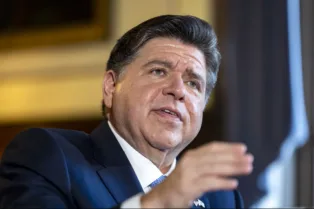
The company’s position contrasts with that of Illinois Governor JB Pritzker, who recently called on Congress to allow the federal restrictions to take effect. Pritzker has backed bringing intoxicating hemp products under stricter oversight, including restrictions on sales outside the state’s licensed marijuana market.
Illinois’ November 12 enforcement date comes ahead of the federal December 11 deadline, when hemp products containing more than 0.4 milligrams of total THC and similarly intoxicating cannabinoids per container will generally no longer qualify as federally legal hemp.
Total Wine, which operates more than 300 stores across over 30 states, says the Illinois restrictions could provide an early example of the consequences of removing hemp-derived THC beverages from traditional retail markets rather than establishing a separate regulatory structure.