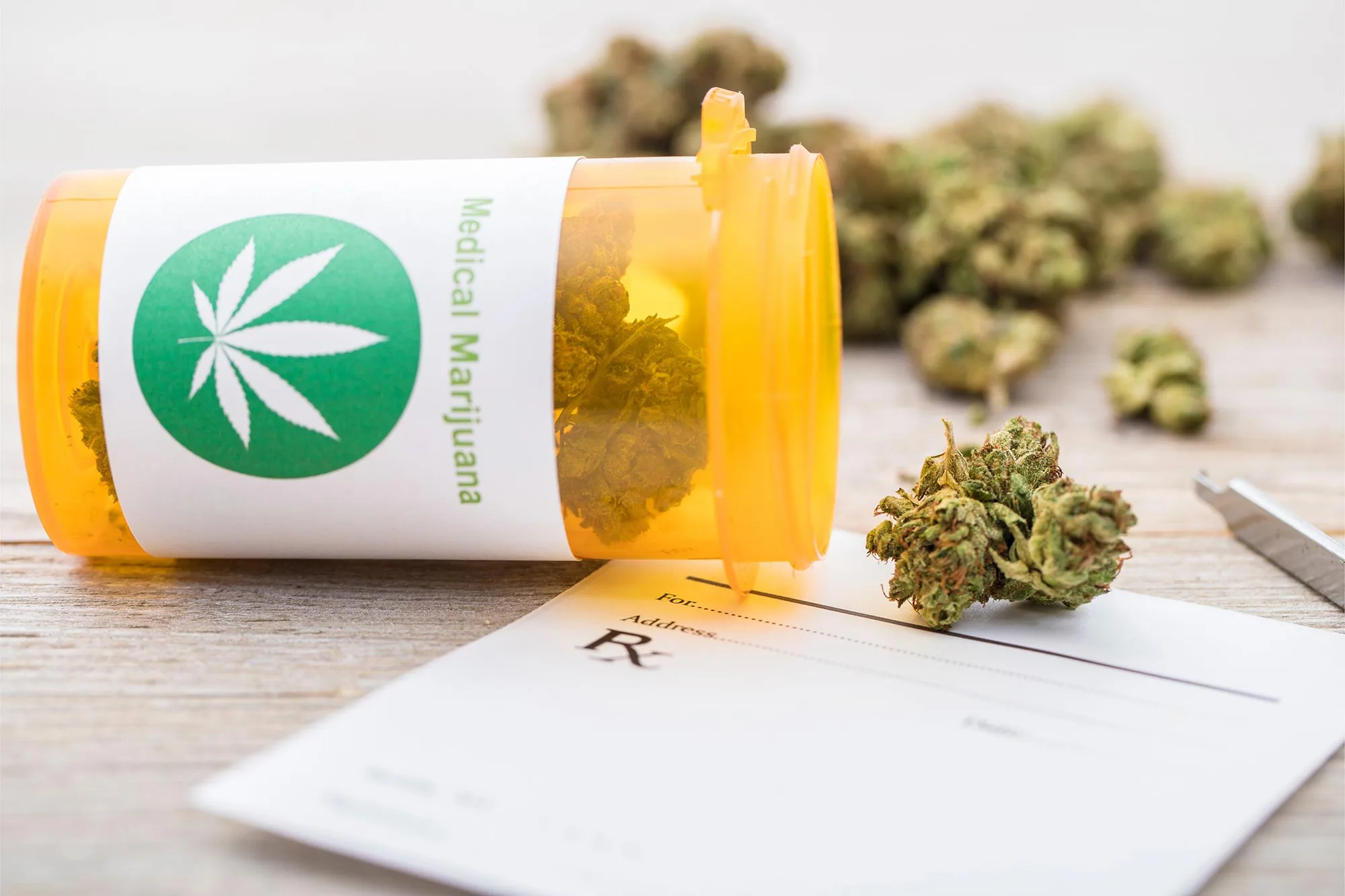
Federal health officials are advising doctors to take a more precise approach when discussing marijuana with patients, including distinguishing cannabis use disorder from state-authorized medical marijuana use.
The Substance Abuse and Mental Health Services Administration outlined the guidance in a new May 2026 advisory titled Addressing Cannabis Use Disorder in Primary Care Settings—A Lifespan Approach. The advisory is aimed at primary care providers, pediatricians, adolescent medicine specialists and geriatricians, and focuses on identifying and responding to cannabis use disorder across adolescence, young adulthood, middle adulthood, older adulthood and pregnancy.
According to SAMHSA, cannabis is the third-most used psychoactive substance in the United States, behind alcohol and tobacco. The agency says cannabis use disorder occurs when a person’s marijuana use leads to clinically significant impairment or distress, rather than simply because the person uses marijuana.
The distinction is important as millions of Americans now use marijuana legally, including through medical marijuana programs. SAMHSA’s advisory tells providers to look at how and why a patient is using marijuana, including frequency, product type, THC exposure, whether use is tied to medical authorization or therapeutic intent, and whether the patient is experiencing withdrawal, cravings, failed efforts to cut back, or interference with work, school, family or health.
The advisory also notes that some patients may describe their marijuana use as medical even when it is not authorized or not tied to a therapeutic purpose. Still, the document’s framing makes clear that providers are being urged to evaluate use based on clinical signs of harm rather than assume every patient using marijuana has a disorder.
SAMHSA also uses the advisory to highlight differences between THC and CBD, along with potential short- and long-term risks, including cannabis-induced psychosis and psychiatric comorbidities. The agency recommends screening, patient education and referrals to evidence-based treatment when needed.
The advisory comes as federal data show marijuana use has continued to rise. In 2024, 44.3 million people 12 and older reported past-month marijuana use, up from 37 million in 2021. Federal survey data also estimated 20.6 million people had marijuana use disorder in 2024.
Sponsors: