Italy’s Constitutional Court has postponed a hearing on the constitutionality of the country’s hemp flower restrictions until February 9, 2027, extending a legal battle over regulations that prohibit the commercial sale and distribution of hemp flowers and certain derived products.
The new hearing date was announced this month by Canapa Sativa Italia, a national hemp industry association, following official communications sent to attorneys involved in the proceedings.
The postponement will allow the Constitutional Court to consider three related challenges together, including cases originating from courts in Brindisi, Trani and Brescia. A separate proceeding addressing the admissibility of outside parties seeking to participate in the litigation is now scheduled for January 25, 2027.
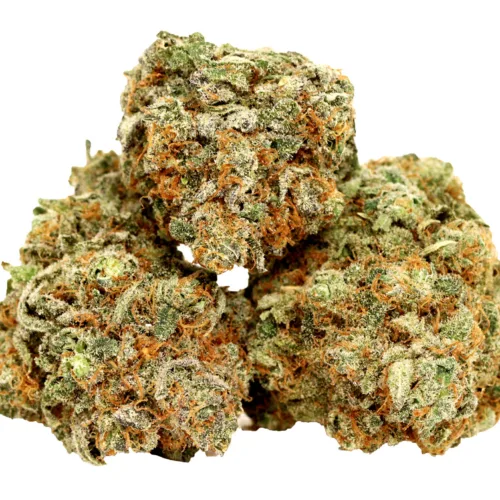
At issue is Article 18 of Decree-Law 48/2025, enacted in April 2025 and subsequently incorporated into Law 80/2025. The measure prohibits numerous commercial activities involving hemp flowers, including their importation, processing, distribution, transportation and sale. The restrictions also cover products containing or derived from the flowers, including certain extracts, resins and oils.
The law has faced constitutional challenges over its application to hemp products that contain little THC and lack intoxicating effects.
In the Brescia case, filed with the Constitutional Court in September, a judge questioned whether imposing criminal penalties on hemp products without established intoxicating properties violates constitutional protections, including principles of proportionality, economic freedom and the requirement that criminal penalties address harmful conduct.
The challenge also raises questions about the restrictions’ compatibility with European Union rules governing the free movement of goods.
Canapa Sativa Italia said the postponement creates additional uncertainty for hemp businesses operating under the restrictions. The organization plans to use the additional time to submit legal and technical arguments challenging the legislation.
The restrictions remain in effect while the proceedings continue. The Constitutional Court’s decision to consider the challenges does not automatically suspend the law or authorize the sale of prohibited hemp products.
The dispute also extends beyond Italy’s courts, with separate proceedings before the European Union’s judicial system examining restrictions on hemp products and CBD.
The February hearing is expected to address whether the contested provisions are compatible with Italy’s Constitution, potentially influencing the future of the country’s hemp industry and the regulatory treatment of low-THC cannabis products.