A state-funded Illinois study involving laboratory testing of 527 hemp products found that 26% of non-CBD edibles contained more than 10 milligrams of delta-9 THC per individual unit, including one product with 121.4 milligrams, exceeding the state’s 100-milligram limit for an entire package of licensed marijuana edibles.
The findings appear in the 2026 Illinois Annual Cannabis Report, prepared by researchers at the University of Illinois Chicago as part of a state-funded evaluation of marijuana legalization. The results are detailed in a section titled “The Illinois Hemp Product Study,” beginning on page 123 of the 190-page report.
Researchers purchased hemp products from retailers across Illinois during summer 2025, using a secret-shopper program developed by NORC at the University of Chicago. Stores were selected through a sampling process designed to reflect the state’s population distribution and different types of hemp retailers. All 527 products were submitted to KCA Laboratories, an independent testing facility approved by the Illinois Department of Agriculture.
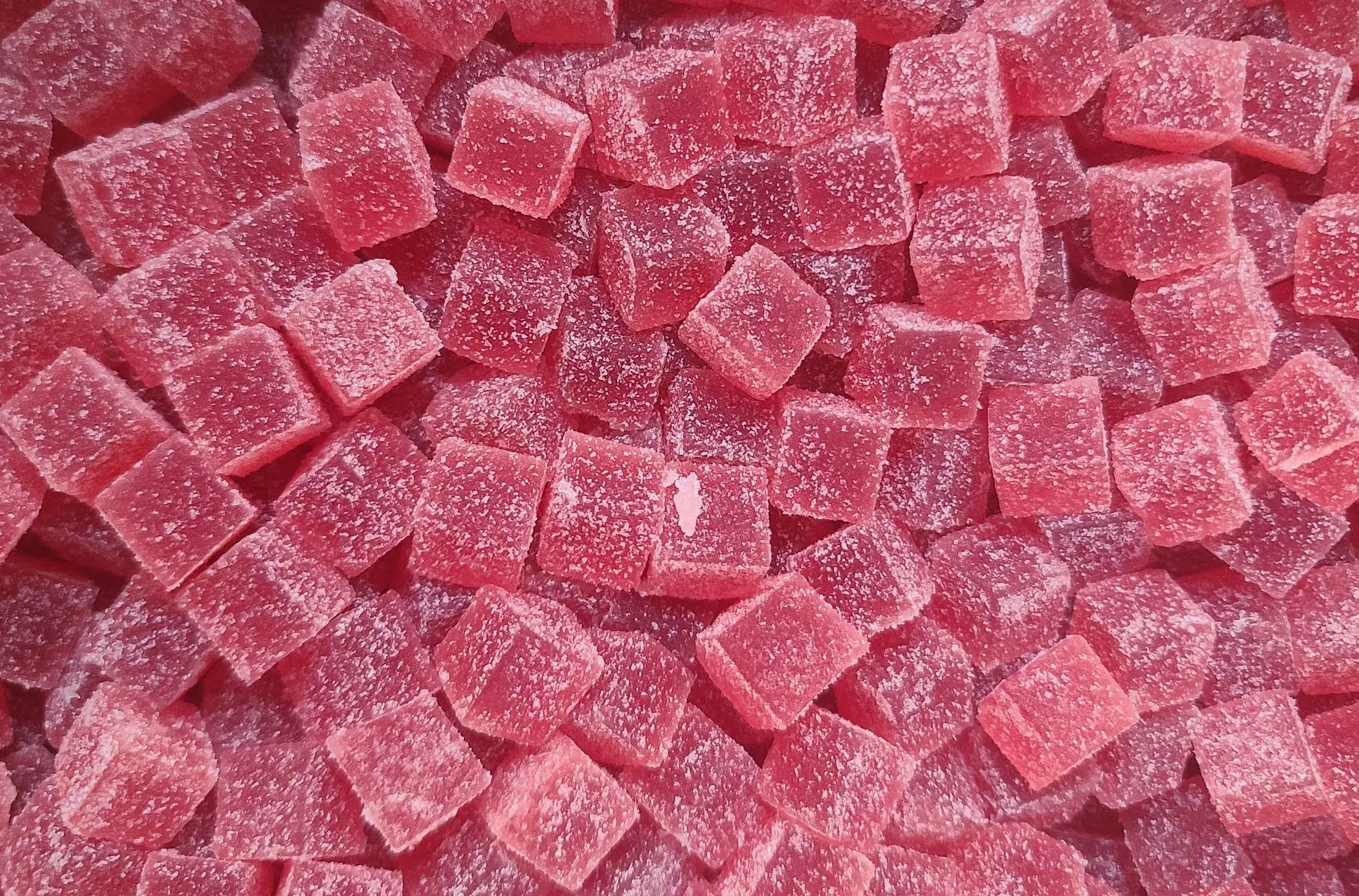
Among 176 non-CBD edible products with available dosing data, 26% contained more than 10 milligrams of delta-9 THC per unit. The researchers also found that 17% of tested gummies exceeded 10 milligrams per gummy, while the highest-potency individual edible contained 121.4 milligrams.
For comparison, Illinois limits marijuana edibles sold through licensed dispensaries to 10 milligrams of THC per serving and 100 milligrams per package. The findings show that some hemp-derived products available through ordinary retailers contained more THC in a single piece than licensed dispensaries could include in an entire package.
The study also examined 51 non-CBD hemp flower products, finding a median total THC concentration of 12.8%. Approximately 57% contained at least 10% total THC, 39% contained at least 15%, and 18% contained at least 20%. Researchers compared those findings with licensed Illinois marijuana flower, which had a median THC concentration of approximately 24.7% in August 2025.
Despite the substantial THC concentrations identified in numerous products, laboratory testing found relatively little evidence of residual-solvent contamination. Approximately 99.2% of the sampled products met the laboratory’s reported solvent specifications, with four failures involving ethanol and none involving other tested solvents.
The report was published in September, following Illinois’ enactment of legislation establishing new restrictions on intoxicating hemp products. Beginning November 12, products containing more than 0.4 milligrams of total THC per container will generally fall under the state’s regulated marijuana framework rather than remain available as ordinary retail hemp products. The changes also establish testing, labeling and packaging requirements for qualifying hemp products.