Legalizing recreational marijuana in the Australian state of Victoria could improve government finances by approximately A$1.37 billion over the next decade, according to a new analysis by the state’s independent Parliamentary Budget Office.
The Parliamentary Budget Office estimates that a proposed legalization system involving a government-owned marijuana wholesaler would generate approximately A$1.43 billion in revenue through the 2036-37 financial year. After accounting for operating expenses and startup investments, the projected improvement to the state’s financial position would total A$1.368 billion.
The proposal, put forward by Libertarian lawmaker David Limbrick, would establish a government-controlled wholesale operation responsible for purchasing marijuana from licensed cultivators and distributing it to licensed retailers. Private businesses would be allowed to cultivate and sell marijuana, while the state would control wholesale distribution and set prices designed to maximize government revenue.
Under the proposed framework, adults would also be allowed to cultivate limited amounts of marijuana at home for personal use. A regulatory agency would oversee commercial licensing and compliance with the new system.
The analysis estimates that operating expenses would total approximately A$53 million over the projected period, with another A$9.4 million required for equipment, facilities and other initial investments needed to establish the wholesale operation.
If implemented according to the proposed timeline, legal recreational marijuana sales could begin in mid-2028, following approximately one year of preparation and regulatory development.
The Parliamentary Budget Office cautioned that its estimates carry uncertainty, particularly because of difficulties measuring Victoria’s existing illicit marijuana market and predicting how consumers would respond to legalization. The amount of revenue generated would depend partly on how many consumers transition to licensed retailers and how legal marijuana prices compare with those in the illicit market.
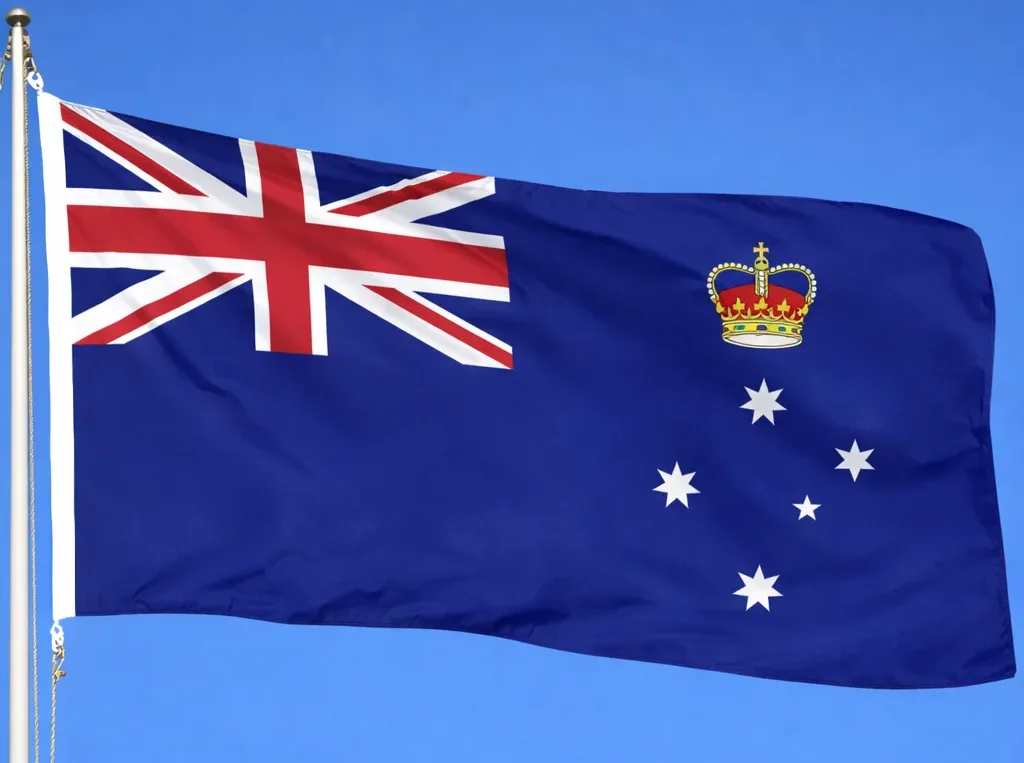
Victoria, Australia’s second-most populous state and home to Melbourne, currently prohibits recreational marijuana sales, although medical marijuana is legal under Australia’s national medical cannabis framework.
The proposal comes as marijuana reform remains an active issue in Victorian politics ahead of the November 28 state election. Lawmakers have also introduced separate legislation seeking a public vote on legalization, although that proposal focuses on personal possession and cultivation rather than establishing a commercial retail market.
Limbrick has promoted legalization as an opportunity to expand investment, agricultural production and economic activity. The newly reported budget analysis provides a financial estimate for one potential commercial model, but the proposed system has not been approved or implemented.



Related posts:

State-Funded Illinois Study Finds 26% of Tested Hemp Edibles Exceeded 10mg THC Per Piece, One Contai...
Study Finds Brain’s Natural Cannabinoid System Declines With Age, While Low-Dose THC May Help Counte...