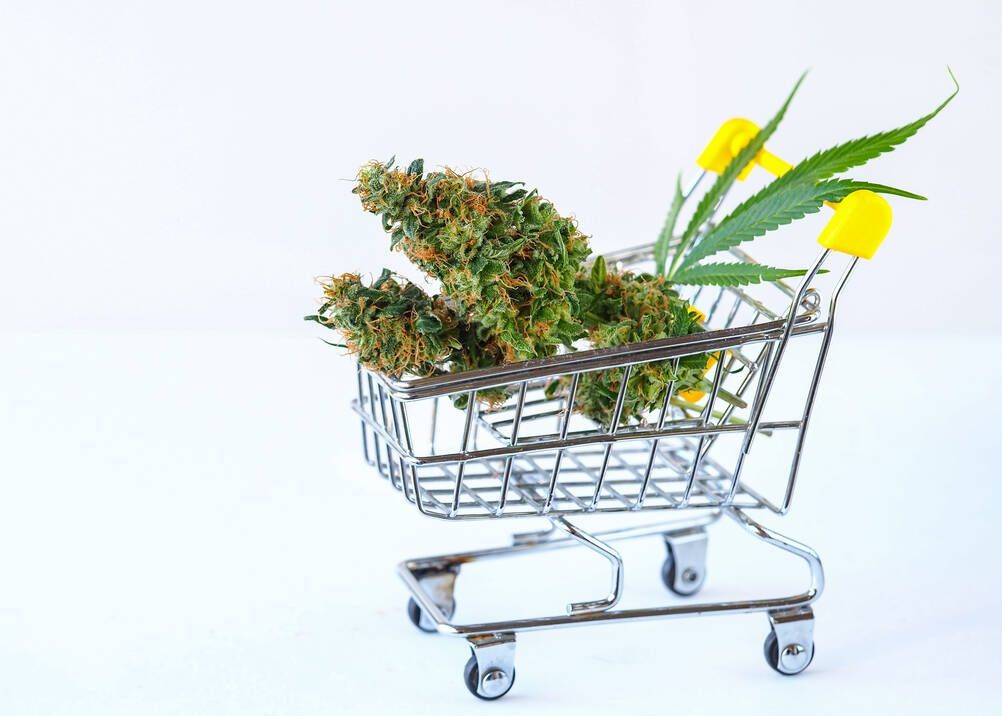
A federally funded study examining marijuana sales across 10 states found that a 1% decrease in flower prices was associated with a 2.29% increase in the quantity purchased, indicating that consumer demand in legal marijuana markets is highly sensitive to price changes. The study was published this month in the journal Addiction and was conducted by researchers at the University of California San Diego. The analysis received funding from the National Institute on Drug Abuse (NIDA) and the California Department of Cannabis Control.
Researchers examined 864,616 product-level sales observations from licensed marijuana retailers between 2020 and 2023. The data covered 10 states with legal recreational marijuana markets and included dried flower and pre-rolled products. Each observation represented sales of a particular product within a state during a three-month period, rather than an individual retail transaction.
The findings showed that the median retail price of marijuana flower declined from $8.23 per gram in 2020 to $6.12 per gram in 2023, a decrease of approximately 26%. Throughout the four-year period, flower products remained the dominant category in legal marijuana markets, accounting for more than half of total sales.
To determine how prices influenced purchasing behavior, researchers used statistical models accounting for differences between states and changes over time. The analysis also incorporated state marijuana excise taxes to help isolate the relationship between retail prices and the amount of marijuana purchased.
The resulting price elasticity estimate was -2.29, meaning that a 1% reduction in price was associated with a 2.29% increase in the quantity of marijuana flower sold. The estimated relationship was statistically significant, with a 95% confidence interval ranging from -2.61 to -1.89.
The findings suggest that marijuana buyers respond substantially to relatively small changes in retail prices. They also demonstrate why price trends can have important implications for businesses, regulators and lawmakers developing marijuana tax policies.
Researchers noted that excise taxes could potentially counterbalance the effects of falling marijuana prices by influencing retail costs and purchasing behavior. However, the findings do not establish that any particular tax rate would produce a specific outcome.
The analysis was based on point-of-sale data collected from a nonrandom sample of marijuana retailers, with sales estimates projected to represent statewide markets. Its findings therefore describe purchasing patterns within the legal retail market rather than directly measuring changes in marijuana consumption across the general population.
The researchers concluded that demand for legal marijuana flower is highly price-sensitive, with relatively modest price reductions associated with considerably larger percentage increases in the quantity sold.