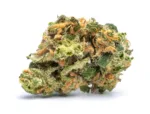
(Photo credit: Isabel Poilin, Dreamstime).
Marijuana consumption in Quebec has declined to levels last seen before Canada legalized recreational use in 2018, with particularly substantial reductions among young people, according to new government survey data released Wednesday.
The 2026 Quebec Cannabis Survey, published October 28 by the Institut de la statistique du Québec, found that approximately 14% of residents ages 15 and older consumed marijuana during the previous 12 months, down from 17% in 2025. The figure is nearly identical to the 14% recorded in 2018, before nationwide legalization took effect.
The decline was especially pronounced among younger residents. Among those ages 15 to 20, marijuana consumption dropped from 28% in 2018 to 18% in 2026, a decrease of 10 percentage points, or approximately 36%.
Residents ages 21 to 34 also reported lower marijuana use than before legalization, falling from 29% in 2018 to approximately 25% in 2026. The opposite pattern was observed among adults ages 35 and older, whose consumption increased from 8% to 11% over the same period.
The findings demonstrate that marijuana consumption has followed different trajectories across age groups since legalization. Overall use initially increased following the policy change, reaching approximately 20% in 2021 before beginning a multiyear decline.
The survey also examined how frequently Quebec residents consume marijuana. Among those who reported using it during the previous year, 40% consumed it less than once per month, while 20% used it one to three days per month. Another 22% reported using marijuana one to six days per week, and 18% consumed it daily.
Despite declining overall consumption, Quebec’s regulated marijuana market remains a primary source for consumers.
Approximately 72% of respondents who consumed marijuana during the previous year reported obtaining at least some of their supply through the Société québécoise du cannabis (SQDC), the province’s government-operated marijuana retailer.
Among consumers ages 21 and older, 46% reported purchasing all of their marijuana from the SQDC, while another 15% obtained between 50% and 99% of their supply through the legal retailer. An additional 21% purchased a smaller portion through the SQDC, while 18% reported obtaining none of their marijuana from the government-operated system.
The survey found that these purchasing patterns were similar to those recorded in 2021, indicating that legal-market participation has remained relatively stable in recent years.
Researchers also documented changing consumption methods. Smoking remained the most common method, reported by 81% of marijuana consumers, followed by vaping at 34% and edibles at 30%. Marijuana beverages were used by 14%, while 13% reported consuming oral drops.
Vaping increased from 28% of marijuana consumers in 2025 to 34% in 2026. Among marijuana consumers ages 15 to 20, 60% reported vaping, compared with 24% in 2019.
The Institut de la statistique du Québec cautioned that certain differences in survey collection procedures between 2025 and 2026 could affect the size of the observed year-over-year decline. However, the agency said the findings remain valid and are consistent with the longer-term downward trend.
The latest figures come eight years after Canada became the first major industrialized country to legalize recreational marijuana nationwide. Quebec maintains one of the country’s more restrictive retail frameworks, including a minimum legal purchasing age of 21 and government control over recreational marijuana sales.



Related posts:

Federal Marijuana Legalization Supporter Mary Peltola Wins Alaska U.S. Senate Race, Defeats Republic...

White House Reaffirms Trump’s Support for Marijuana Reform, Says Administration Continues Exploring ...