Wholesale prices for hemp-derived THCa flower increased in October and now exceed marijuana flower prices in nine state-licensed markets, according to a new report released today by Hemp Benchmarks.
The October 2026 Hemp Spot Price Index Report found that average wholesale THCa flower prices rose 4% during the month, supported by stable indoor-grown flower prices and a 3.9% increase in greenhouse-grown flower prices.
The increase pushed the national THCa flower benchmark above the wholesale marijuana flower benchmarks in nine states tracked by Cannabis Benchmarks, illustrating how hemp-derived products are competing with marijuana sold through state-regulated markets.
The report notes that states with relatively restrictive marijuana licensing systems, including Illinois and Connecticut, still command considerably higher wholesale marijuana prices than the national THCa flower benchmark. However, businesses in those markets also face higher production costs and tax obligations, which can substantially affect profit margins.
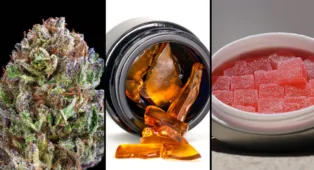
THCa, or tetrahydrocannabinolic acid, is a naturally occurring cannabinoid that converts into intoxicating THC when heated. Hemp-derived THCa flower has developed into a significant segment of the national cannabinoid market, with products frequently sold through online retailers and businesses operating outside traditional state-licensed marijuana systems.
Beyond THCa flower, the report identified substantial differences in pricing trends across the broader hemp industry.
Wholesale cannabidiol (CBD) isolate prices declined another 6% in October, bringing their year-over-year decrease to 41%. Hemp Benchmarks attributed the sustained decline to robust supplies, with wholesale inventories remaining plentiful.
Cannabigerol (CBG) isolate prices also fell, declining 3% for the month and 21% compared to October 2025. CBG distillate experienced an even larger monthly decline of 9%, making it one of October’s worst-performing product categories.
Meanwhile, CBD biomass prices showed signs of improvement. A modest increase in prices for smaller wholesale transactions involving 500 to 3,000 pounds pushed the aggregate CBD biomass benchmark to its highest level since June, 12% above its October 2025 level.
Hemp Benchmarks attributed the improvement partly to reduced purchases of older biomass inventories and lower overall hemp production, which have helped support both CBD and CBG biomass prices.
Smokable CBD flower prices remained relatively stable, with the aggregate benchmark changing by just $1 despite price increases across indoor, greenhouse and outdoor cultivation categories. A greater proportion of lower-priced greenhouse and outdoor flower transactions limited the overall increase.
Prices for several hemp-derived cannabinoid concentrates also declined. Delta-8 THC distillate fell 3.4%, while delta-10 THC distillate dropped 6.6%. CBN isolate, CBC distillate and THC-O distillate each experienced declines of less than 4%.
Overall, 16 of the 21 wholesale product benchmarks tracked in October moved by less than 3%, indicating relatively stable pricing across much of the hemp market despite substantial declines in certain concentrates and isolates.