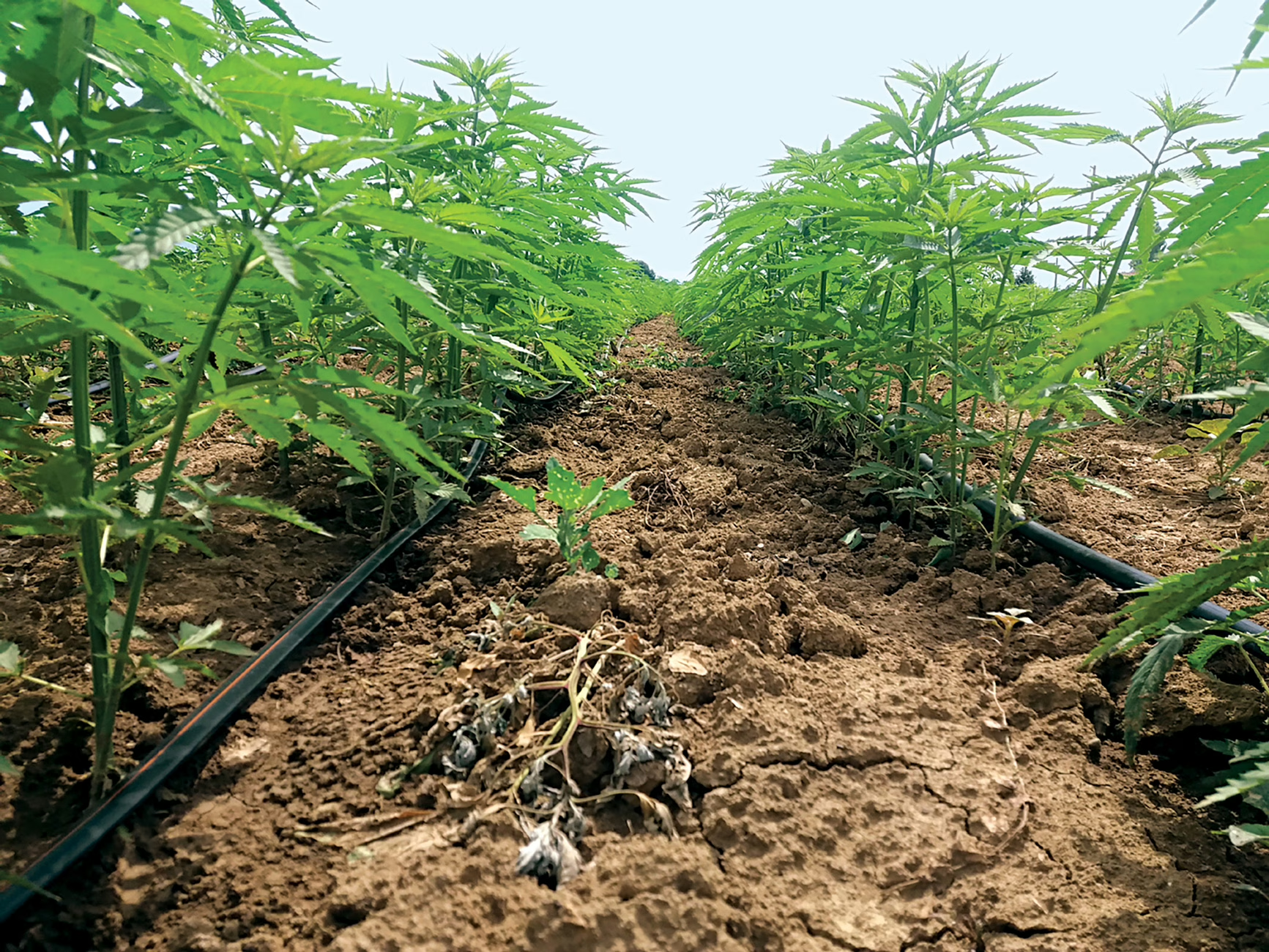
The U.S. Department of Agriculture (USDA) has updated its federal hemp crop insurance rules to reflect changes to the nation’s legal definition of hemp, including revised THC requirements that will apply beginning with the 2027 crop year.
In a November 18 bulletin, USDA’s Risk Management Agency (RMA) confirmed that the Federal Crop Insurance Corporation is revising its hemp insurance provisions to comply with federal legislation enacted in November 2025. The changes are part of a broader update to federal agricultural insurance policies, with a November 30, 2026, contract change date.
Under the revised Hemp Crop Provisions, federal insurance policies will determine allowable THC levels by referencing the definition of hemp in the Agricultural Marketing Act of 1946, as amended, along with applicable federal regulations and state or tribal requirements.
The updated rules clarify that losses resulting from THC concentrations exceeding applicable legal limits are not covered by federal crop insurance. This applies when hemp exceeds federal THC thresholds, limits established by the governing authority where it is grown, or additional restrictions specified in the insurance policy.
The changes come as broader federal restrictions are scheduled to take effect December 11, replacing the existing delta-9 THC standard with a definition based on total THC, including tetrahydrocannabinolic acid (THCA). The law also establishes a separate limit of 0.4 milligrams of THC and similarly acting cannabinoids per container for finished hemp-derived cannabinoid products.
The revised insurance provisions do not apply that 0.4-milligram consumer-product limit directly to harvested hemp crops. Instead, they incorporate the applicable federal definition and THC concentration requirements used to determine whether a crop qualifies as hemp.
USDA has also clarified procedures for handling insurance claims involving hemp that exceeds allowable THC levels. When an insured crop is damaged by a covered event, such as adverse weather, but subsequently fails THC testing, insurers must account for the affected production through inspections and appraisals. A payment may still be available when an otherwise covered cause contributed to the production loss, although losses attributable to excessive THC remain excluded.
Growers must notify their insurers within 72 hours of receiving THC testing results from the applicable governing authority. The updated provisions also specify requirements for obtaining insurer consent before harvesting damaged acreage when final THC results have not yet been determined.
The changes affect USDA’s dedicated hemp crop insurance provisions, which cover eligible production of hemp for purposes including cannabidiol (CBD), fiber, grain and other approved uses. They are separate from revisions USDA announced earlier this year to its Whole-Farm Revenue Protection program.
According to RMA, the updated provisions will apply to the 2027 and subsequent crop years. Approved insurance providers must notify participating producers of the changes at least 30 days before their applicable policy cancellation dates.



Related posts:
Washington, D.C. Medical Marijuana Sales Reach $100 Million Through October, With Monthly Sales Up 2...
Massachusetts Marijuana Regulators Say They Have Received No Federal Guidance on DEA Registration Re...