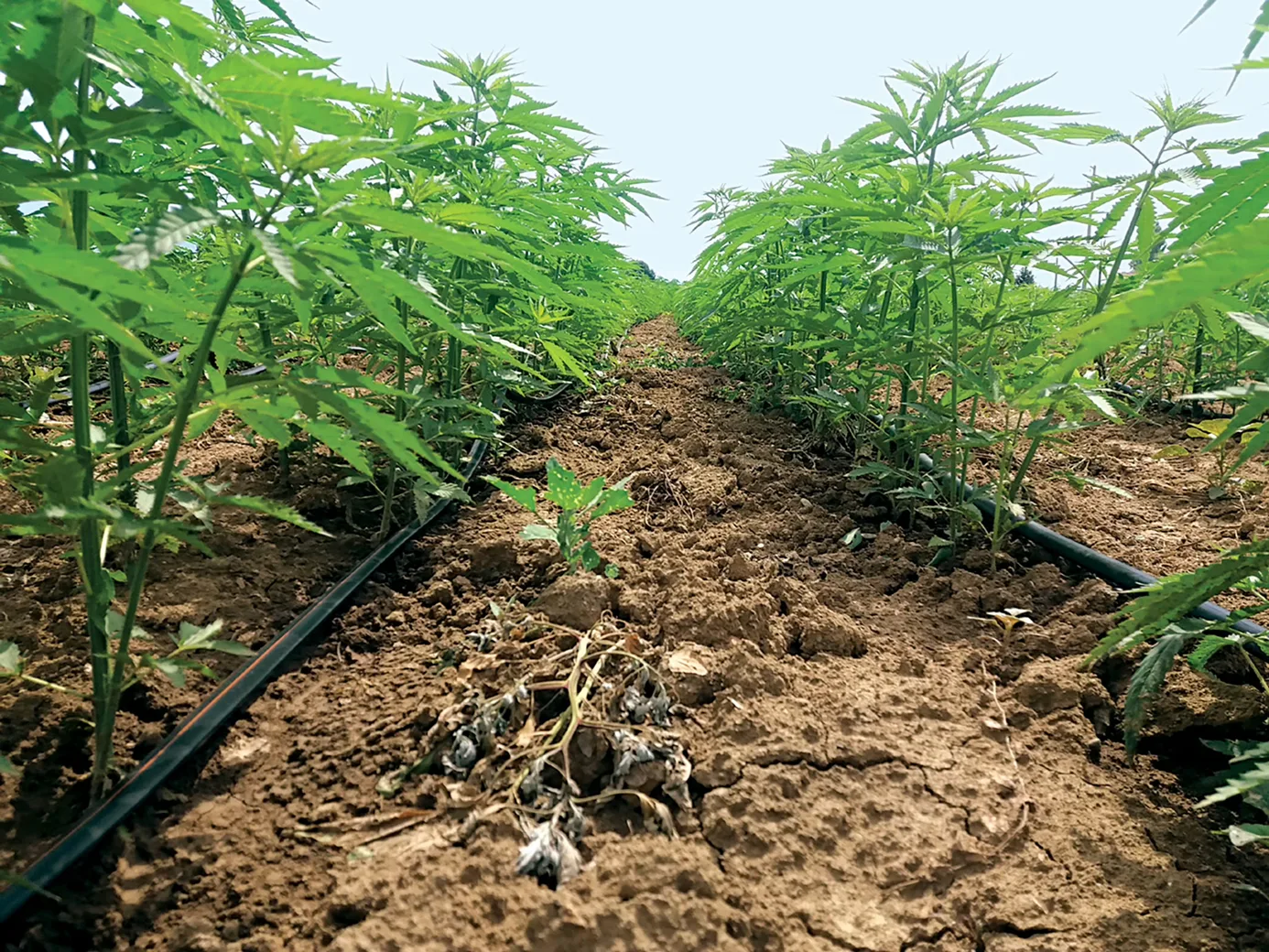
The Alaska Legislature has sent a bill to Alaska Governor Mike Dunleavy that would make a series of changes to the state’s industrial hemp program, including revised testing, transportation, enforcement and licensing requirements.
Senate Bill 208 was transmitted to Gov. Dunleavy on July 23 after lawmakers approved the final version earlier this year. The governor has until August 15 to act on the bill.
Under the proposal, Alaska would establish tiered categories for hemp growers, including a micro-grower designation for those cultivating less than one-quarter acre or fewer than 200 plants. Micro-growers would be eligible for reduced or waived fees and scaled reporting, testing and inspection requirements.
The bill would also establish risk-based testing frequencies, allow hemp to be harvested for up to 30 days after samples are collected and eliminate in-state transportation permits for shipments between registered participants when accompanied by approved documentation.
Hemp testing above the federal limit of 0.3% delta-9 THC but no higher than 1% could be retained and reconditioned, remediated or converted to a nonintoxicating industrial use. Crops testing above 1% would be subject to destruction.
Enforcement procedures would prioritize corrective action, including written notice and an opportunity for growers to address violations before penalties, suspensions or registration revocations are imposed.
The bill also specifies that Alaska’s marijuana tax would not apply to compliant industrial hemp or products made from hemp containing no more than 0.3% delta-9 THC on a dry-weight basis.
SB 208 includes several provisions unrelated to hemp, including changes to the sale and lease of state land for agricultural purposes. It would also designate the O-S Cross cabbage, commonly called the giant green cabbage, as Alaska’s official state vegetable.


Related posts:
Ontario Proposes Major Crackdown on Illegal Marijuana Retailers, Says 30% of Sales Occur Outside Leg...
Washington Marijuana Retailers Achieve 100% Compliance in September Underage Sales Checks, State Rep...