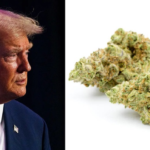
The American cannabis landscape is undergoing a monumental transformation. From Capitol Hill hearings regarding the Drug Enforcement Administration’s (DEA) historic proposal to move marijuana from Schedule I to Schedule III under the Controlled Substances Act, to state-level battles over retail access and home cultivation, the industry stands at a critical juncture.
For years, advocates, industry stakeholders, and everyday consumers have demanded an end to strict prohibitionist policies. However, as federal policy moves closer to reclassification, a new conversation has emerged—one centered on sovereignty, market access, quality control, and the fundamental right of individuals to cultivate their own plants.
Whether you are following legislative updates, keeping up with policy debates, or planning your next harvest, understanding how macro-level political shifts affect micro-level consumer rights is essential for anyone involved in the modern cannabis ecosystem.
The Federal Rescheduling Debate: Progress or Half-Measure?
The primary topic dominating political discourse in the cannabis space is the ongoing federal rescheduling effort. Reclassifying cannabis as a Schedule III drug marks the most significant shift in federal drug policy in over half a century. Under Schedule III, cannabis is recognized as having accepted medical utility with a low to moderate potential for physical dependence.
Key Policy Impacts of Schedule III:
- Tax Relief via Section 280E: The elimination of IRS Code 280E restrictions will allow state-legal dispensaries and operators to deduct ordinary business expenses, potentially saving the commercial industry billions of dollars annually.
- Expanded Medical Research: Schedule I status historically restricted clinical research due to rigorous bureaucratic hurdles. Rescheduling opens the door for universities and medical institutions to conduct comprehensive clinical trials on cannabinoids.
- Banking and Capital Access: While Schedule III does not fully legalize recreational use federally, it eases the risk profile for major financial institutions, paving the way for expanded banking services and traditional lines of credit.
Despite these victories, legal scholars and advocacy groups point out that rescheduling falls far short of full descheduling. Reclassifying cannabis leaves criminal penalties intact for unauthorized sales, maintains interstate trade restrictions, and does not automatically expunge non-violent cannabis records.
State Markets and the Shift Toward Home Cultivation
While federal agencies deliberate over scheduling parameters, state markets continue to mature. Across the United States, states expanding into adult-use legalization face common structural challenges: high excise taxes, supply chain bottlenecks, licensing delays, and regulatory overreach.
In many established markets, heavy state taxation drives prices up for consumers while squeezing profit margins for small craft growers. Consequently, an increasing number of enthusiasts are opting out of commercial dispensary models in favor of growing their own medicine at home.
Home cultivation offers several distinct advantages:
- Total Quality Control: Home growers select their preferred organic nutrients, control the environment, and guarantee their flower is completely free of synthetic pesticides, heavy metals, or mold.
- Genetic Freedom: Commercial dispensaries often limit their product lines to high-yielding, commercially viable hybrids. Home growers have access to thousands of heritage landrace strains, rare high-CBD varieties, and novel terpene profiles.
- Economic Self-Reliance: Producing your own supply drastically reduces long-term personal expenses compared to purchasing retail flower burdened by state and local taxes.
For growers interested in securing top-tier genetics with reliable germination rates, choosing reputable sources is paramount. You can explore high-quality options to buy weed seeds directly from trusted geneticists to kickstart your personal grow room setup.
The Importance of Genetics in Modern Home Growing
As home cultivation rights expand across various jurisdictions, the science of cannabis genetics has taken center stage. A successful harvest relies heavily on environmental factors like light, humidity, and airflow, but the genetic ceiling of the plant determines its ultimate potency, aroma, resin production, and yield.
Understanding the primary categories of seeds helps growers tailor their strategy to their specific environment:
| Seed Type | Key Characteristics | Best Suited For |
| Feminized
Seeds |
Bred to produce 99% female plants; eliminates the need to identify and remove male
plants. |
Growers seeking maximum efficiency and high-THC/CBD flower yield without waste. |
| Autoflowering
Seeds |
Transitions from vegetative state to flowering automatically based on age rather than light cycles. | Beginners, micro-growers, or short outdoor growing seasons in colder climates. |
| Photoperiod
Seeds |
Requires a 12/12 light schedule change to induce flowering; allows for training and cloning. | Experienced growers looking to keep mother plants, create clones, or execute scrog
(screen of green) setups. |
Starting your cultivation journey with stable, tested genetics ensures that your plants exhibit strong pest resistance, stable cannabinoid production, and predictable growth structures throughout the cycle.
Looking Ahead: The Future of Consumer Sovereignty
The overarching trajectory of cannabis reform points toward decentralization. While multi-state operators (MSOs) expand their corporate footprint and federal agencies negotiate oversight protocols, the core of cannabis culture remains rooted in community, advocacy, and personal freedom.
Legal reform is not simply about corporate profitability; it is about protecting individual rights—including the right to choose natural alternatives, access transparent medical options, and cultivate plants on personal property without fear of legal reprisal.
As legislative frameworks evolve, staying informed through reliable journalism and maintaining access to premium genetic resources remain the best ways to participate in this changing landscape. If you are ready to take control of your supply, build your seed vault, or start your next harvest with proven genetics, buy premium cannabis seeds online to ensure your home grow starts with the best foundation possible.