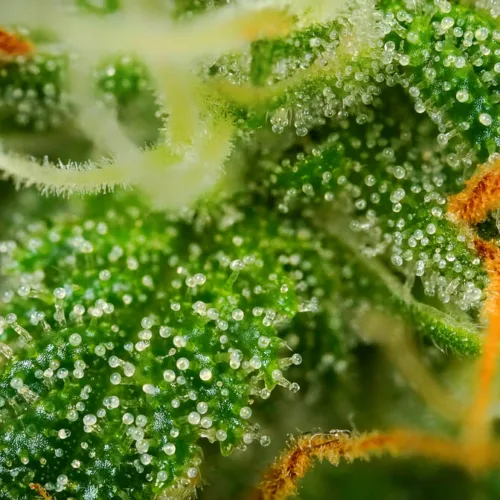
(Photo credit: Craig Barker Photography).
Cannabis research has continued at a rapid pace in 2026, with hundreds of studies published so far examining marijuana, cannabinoids and the endocannabinoid system across a wide range of medical, scientific and policy-related topics.
The research published this year has explored everything from chronic pain, cancer and neurological disorders to sleep, inflammation, cultivation, public health and the effects of legalization. Studies have also continued to examine individual cannabinoids including THC, CBD, CBG, CBN and THCV, as well as lesser-known compounds and new methods of cannabis delivery.
Below is a collection of more than 400 notable cannabis-related studies published in 2026. Each entry includes a brief summary of the findings, with the title linking to The Marijuana Herald’s full coverage of the research.
Study Finds Marijuana-Turmeric Extract Reduces Inflammatory Activity in Laboratory Model of Psoriasis
An extract combining marijuana leaves and turmeric reduced inflammatory activity in laboratory models relevant to psoriasis. At one concentration, the extract reduced nitric oxide production by about 49% and prostaglandin E2 by approximately 91%, while also altering psoriasis-associated gene expression.
Study Finds Cannabis Stem Extract Suppresses BPA-Induced Growth in Human Breast Cancer Cells
Cannabis stem extract suppressed BPA-induced proliferation in estrogen receptor-positive human breast cancer cells while interfering with estrogen-receptor signaling involved in the effect. The findings were produced in cultured cells and do not establish effectiveness as a cancer treatment.
Study Finds 80% of Incoming Medical Students Want Medical Marijuana Education, 58% Support Federal Rescheduling
A survey of 250 incoming medical students found that 80.4% supported adding medical marijuana education to medical school curricula and 73.6% supported including it in residency training. At the same time, substantial knowledge gaps were identified, with 61.2% saying they were unprepared to answer patients’ questions about medical marijuana.
Study Finds Low-Dose THC and CBD Work Synergistically to Reduce Sickle Cell Pain
Low doses of THC and CBD worked synergistically to reduce pain in a humanized mouse model of sickle cell disease, producing greater pain relief together than expected from either cannabinoid alone. The combination also altered inflammatory signaling and increased levels of the naturally occurring endocannabinoid 2-AG.
Study: CBG Enhances Adenosine Signaling at Human Receptor, Increasing Apparent Potency 138-Fold
CBG enhanced adenosine signaling at the human A3 receptor, increasing adenosine’s apparent potency by approximately 138-fold in laboratory testing. CBD also enhanced adenosine signaling, but to a lesser degree, with researchers saying the findings could have implications for inflammation, immunity and other processes regulated by the receptor.
Study Finds Regular CBD Users Slept Longer, Had More REM Sleep and Lower Peak Heart Rates
A human study found that regular CBD users averaged about eight hours and 13 minutes of sleep compared with six hours and 29 minutes among nonusers and experienced significantly more REM sleep. CBD users also recorded lower maximum heart rates, although the small observational study cannot establish that CBD caused the differences.
Randomized Clinical Trial Finds Low-THC Full-Spectrum Cannabis Extract Significantly Improved Autism Symptoms in Children
A randomized Phase II/III clinical trial involving children and adolescents with autism found that a full-spectrum cannabis extract containing less than 0.3% THC significantly improved symptom severity, adaptive functioning and several other measures compared with placebo. Treatment was generally well tolerated, with no serious adverse events reported.
Government-Funded Study Finds 23% of U.S. Adults Used Marijuana in Past Year, More Than Half Used Multiple Consumption Methods
A government-funded study of 6,328 adults estimated that 23.1% of U.S. adults used marijuana during the previous year. Among consumers, 62.6% smoked marijuana, 57.6% used edibles or beverages and 40.1% vaped, while 52.7% reported using at least two different consumption methods.
Systematic Review Finds THC-CBD Improves Acute Migraine Outcomes, Full-Spectrum Cannabis Extract Helps Chronic Back Pain
A systematic review of five randomized controlled trials involving 1,072 adults found moderate-certainty evidence that vaporized THC-CBD improved acute migraine outcomes and that a standardized full-spectrum cannabis extract reduced chronic lower back pain. Isolated oral CBD did not significantly improve acute lower back pain.
Study Finds THC-Positive Patients With Depression Had No Increased Risk of Psychiatric Readmission or Longer Hospital Stay
A study examining 743 psychiatric hospital admissions involving people with major depressive disorder found that patients who tested positive for THC had no increased risk of 30-day readmission or longer hospital stays. THC status also was not significantly associated with readmission at six months or one year.
Study Finds Nearly Half of Adults With Severe Epilepsy Had Seizures Cut at Least 50% During CBD Treatment
A study of 37 adults with severe, drug-resistant epilepsy found that 45.9% experienced at least a 50% reduction in seizure frequency after 12 months of CBD treatment. Nearly 30% also showed caregiver-reported improvements in alertness, behavior, interaction or daily functioning.
CBD and CBDA Hemp Extract May Help Calm Stressed Shelter Dogs, Study Finds
A double-blind, placebo-controlled pilot study involving 17 shelter dogs found that a CBD- and CBDA-rich hemp extract increased resting and reduced activity, with the strongest differences appearing at night. Researchers said the findings were more consistent with reduced vigilance and reactivity than generalized sedation, although the study was small and has not yet undergone peer review.
Study Finds CBD Reduces Stress and Improves Survival in Farmed Sea Bass
CBD reduced physiological stress and was associated with improved survival in juvenile sea bass subjected to a confinement stress challenge. CBD-treated fish showed lower cortisol levels and increased baseline immune activity without impaired growth, with the strongest overall effects occurring when CBD was combined with environmental enrichment.
Study Finds Cannabis-Turmeric Cream May Improve Eczema and Psoriasis Symptoms
A topical cream containing cannabis and turmeric extracts was associated with reduced eczema symptoms in four patients and substantial improvement in one patient with psoriasis. Laboratory testing also found antioxidant and anti-inflammatory activity, although the uncontrolled clinical portion was extremely small and requires confirmation in larger trials.
Study Finds CBD Suppresses HER2 Breast Cancer Receptor and Increases Cancer Cell Death
CBD reduced proliferation and HER2 gene expression while increasing programmed cell death in human HER2-positive breast cancer cells. Combining CBD with trastuzumab produced stronger antiproliferative effects at one CBD concentration, although the findings remain limited to laboratory cell experiments.

Study Finds CBD Inhibits Dental Plaque Bacteria and Biofilm Formation
CBD significantly inhibited the growth and biofilm formation of Streptococcus oralis, a bacterium involved in early dental plaque development, while maintaining the viability of human gum cells at the concentrations tested. Researchers said the preclinical findings support further investigation of CBD for oral health applications.
Study Finds CBD Hydrogel Strongly Inhibits Staph Bacteria Growth Without Harming Human Skin Cells
A CBD-loaded hydrogel strongly inhibited Staphylococcus aureus growth while remaining noncytotoxic to human skin cells in laboratory testing. The hydrogel also successfully released CBD over time, suggesting potential as a localized delivery system for applications requiring both sustained cannabinoid release and antibacterial activity.
Study: Marijuana Terpene Beta-Caryophyllene Shows Promise for Obesity, Diabetes and High Cholesterol
A review of 17 studies found that beta-caryophyllene, a terpene found in marijuana, showed potential to improve obesity, diabetes and abnormal cholesterol levels through effects on inflammation, glucose control and fat metabolism. The evidence was largely preclinical, with researchers calling for human clinical trials.
Study Finds CBD Reduces Cardiac Fibrosis and Improves Heart Function in Mouse Model of Heart Failure
CBD reduced cardiac fibrosis and improved the heart’s ability to relax and fill in a mouse model of heart failure with preserved ejection fraction. Treatment also reduced inflammatory signaling and cellular senescence, although the findings remain preclinical.
Study Finds THC Saliva Levels Can Vary Nearly Fourfold Based on Buccal Cell Content
A study of 102 THC-positive oral-fluid samples found that measured THC concentrations were nearly four times higher in cell-rich portions of samples than in corresponding homogenized samples. Researchers said differences in buccal cell content may be an important source of variability in saliva-based marijuana testing.
Study Finds THC Suppresses Inflammatory T-Cell Response Linked to HIV-Related Cognitive Decline
THC significantly reduced production of several inflammatory cytokines in human CD8+ T cells and interfered with development of an inflammatory immune-cell state associated with HIV-related neuroinflammation. Researchers said the mechanism may have relevance for cognitive problems among people with HIV but does not establish THC as a treatment.
Review: THCA, CBDA and Other Acidic Cannabinoids Show Promise for Epilepsy, Anxiety, Depression and Neurodegenerative Diseases
A scientific review found that acidic cannabinoids including THCA, CBDA and CBGA are biologically active compounds with potential therapeutic relevance for brain disorders. Preclinical evidence suggests effects involving epilepsy, anxiety, depression, psychosis and neurodegenerative diseases, although researchers emphasized that human clinical evidence remains limited.
Survey of 818 People With Rheumatic and Musculoskeletal Diseases Finds 80% of Current Marijuana Users Report Less Pain, 74% Better Sleep
A survey of 818 people with rheumatic and musculoskeletal diseases found that 79.9% of current marijuana consumers reported less pain and 73.6% reported improved sleep. Reduced anxiety was reported by 42.5%, while 19.2% said they had reduced their use of opioids or other narcotics.
Human Study Finds Topical CBD Oil Associated With 41% Reduction in Myofascial Pain After Two Weeks
A study involving 192 people with myofascial pain found that applying 1% topical CBD oil twice daily was associated with an average pain reduction of about 41% after two weeks. No clinically significant skin reactions were observed, although the study lacked a placebo or control group.
Controlled Human Study Finds Hemp Seed Oil Produced Measurable Urinary THC Metabolites in 93.5% of Samples
A controlled study involving 15 healthy volunteers found that repeated oral consumption of hemp seed oil produced measurable THC metabolites in 93.5% of urine samples. Concentrations remained relatively low, but researchers said the findings could be important when interpreting low-level positive THC results in drug-testing and forensic settings.
Study of Over 35,000 Finds Germany’s Marijuana Legalization Did Not Increase Annual or Heavy Cannabis Use
A study of 35,957 people found no significant increase in past-year marijuana use or daily and near-daily consumption during the first two years following Germany’s legalization reform. Researchers found consumption trends remained largely stable across the population, including when participants were analyzed by age and gender.
Purified CBD Reduced Seizures by at Least Half in Majority of Children With Treatment-Resistant Focal Epilepsy in New Study
A study of 79 children with treatment-resistant focal epilepsy found that 54.4% experienced at least a 50% reduction in seizure frequency after adding purified CBD to their treatment, while 5.1% became seizure-free. Improvements remained stable during long-term follow-up averaging 30 months, and adverse events were generally mild and temporary.
Study Finds CBD Selectively Suppresses Breast Cancer Cells While Stimulating Non-Tumor Cells
CBD reduced metabolic activity, adhesion and proliferation in human breast cancer cells while producing increased activity in non-tumor breast cells in laboratory testing. Researchers said the findings suggest CBD may exert selective effects on tumor cells, although the study involved cultured cells and did not test the treatment in humans or animals.
Placebo-Controlled Human Study Finds CBG Improves EEG Measures of Mood and Mental Clarity
A randomized, double-blind, placebo-controlled crossover study involving 18 adults found that 25 milligrams of CBG produced EEG-measured changes associated with more positive mood, reduced sadness and greater mental clarity. Participants’ self-reported mood scores did not significantly differ between CBG and placebo.
Study Identifies Nearly 110,000 Medical Marijuana Caregivers Nationwide and Over 35,000 Authorizing Clinicians
A nationwide analysis found nearly 110,000 registered medical marijuana caregivers in the United States in 2024, roughly three times the number of clinicians authorized to approve patients. The number of authorizing clinicians increased from approximately 29,500 in 2020 to more than 35,000 in 2024.
Study Finds Cannabinoid Replenishment Prevents Depression-Like Behaviors in Chronically Stressed Mice
Restoring cannabinoid signaling prevented depression-like behaviors in chronically stressed mice while restoring the brain’s ability to adapt to repeated stress. Researchers found that chronic stress disrupted endocannabinoid production and normal synaptic adaptation, while replenishing cannabinoid signaling reversed those changes.
Study Finds THC Directly Activates Dopamine D2 Receptors, Revealing Previously Unknown Signaling Pathway
Researchers found that THC can directly bind to and activate dopamine D2 receptors, identifying a previously unknown mechanism through which THC may influence dopamine signaling. THC acted as a partial, G protein-biased agonist at the receptor, although the findings came from molecular and cellular experiments rather than a human clinical study.
Review of 19 Studies Finds CBD May Help Protect Skin From UV-Induced Damage
A review of 19 studies found that CBD may help protect skin cells from ultraviolet-related damage by reducing oxidative stress and inflammation and activating cellular antioxidant pathways. A small human trial included in the review also found reduced markers of UV damage in CBD-treated skin.
Study Finds Full-Spectrum CBD Oil Associated With Reduced Chronic Pain and Anxiety
A human study involving 31 patients found that three months of treatment with a full-spectrum, high-CBD cannabis oil was associated with significant reductions in chronic pain and anxiety. Participants also reported improvements in mood, sleep and overall health, with no adverse events reported.
Study Finds Single Dose of CBD Restored Blood-Brain Barrier Integrity and Reduced Depression-Like Behaviors in Animal Model
A single dose of CBD restored key measures of blood-brain barrier integrity, reduced neuroinflammation and improved depression-like behaviors in mice. Researchers also observed similar barrier-protective effects in cultured human brain endothelial cells.
Study Finds THC Reduced Inflammation and Neuroinflammatory Signaling in Human Cells and Mice
THC reduced multiple inflammatory markers in human immune cells and dampened immune activation and neuroinflammatory signaling in mice. Researchers also observed increased activity in pathways associated with neurogenesis and synaptic plasticity, although the findings remain preclinical.
CBD-Chemotherapy Combination Shows Enhanced Activity Against Human Ovarian Cancer Cells
CBD combined with the chemotherapy drug epirubicin in a nanoparticle-based delivery system produced substantially greater activity against human ovarian cancer cells than epirubicin alone. After 72 hours, the combination reduced cell viability by more than 80% even at the lowest concentration tested, although the research was conducted entirely in laboratory cells.
Study Finds THC-CBD Marijuana Extracts Linked to Reduced Pain and Opioid Use in Women With Endometriosis
A prospective study of women with endometriosis found that three months of oral THC-CBD treatment was associated with significant reductions in pain, days with pain and use of conventional painkillers, including opioids. Participants also reported improvements in fatigue, anxiety, disability and quality of life.
Study Finds Marijuana Use Does Not Affect Strength Recovery After Nerve Transfer Surgery
A study of 49 patients undergoing nerve transfer surgery found no significant association between marijuana use and functional strength recovery at six, 12, 18 or 24 months. Younger age and undergoing surgery sooner after injury were more strongly associated with favorable recovery.
Study of Cancer Patients Finds At Least 80% of Marijuana Users Report Symptom and Quality-of-Life Improvement
A study of 237 cancer patients receiving radiation therapy found that at least 80% of marijuana users reported improvements in symptoms and quality of life. Marijuana was most commonly used for pain, nausea, anxiety, depression, appetite problems and sleep disturbances.
Study Finds Full-Spectrum CBD Oil Associated With Reduced Chronic Pain and Anxiety
A human study involving 31 patients found that three months of treatment with a full-spectrum, high-CBD cannabis oil was associated with significant reductions in chronic pain and anxiety. Participants also reported improvements in mood, sleep and overall health, with no adverse events reported.