A low-THC, full-spectrum cannabis extract significantly improved core and associated symptoms of autism spectrum disorder in children and adolescents compared with placebo, according to a Phase II/III randomized clinical trial.
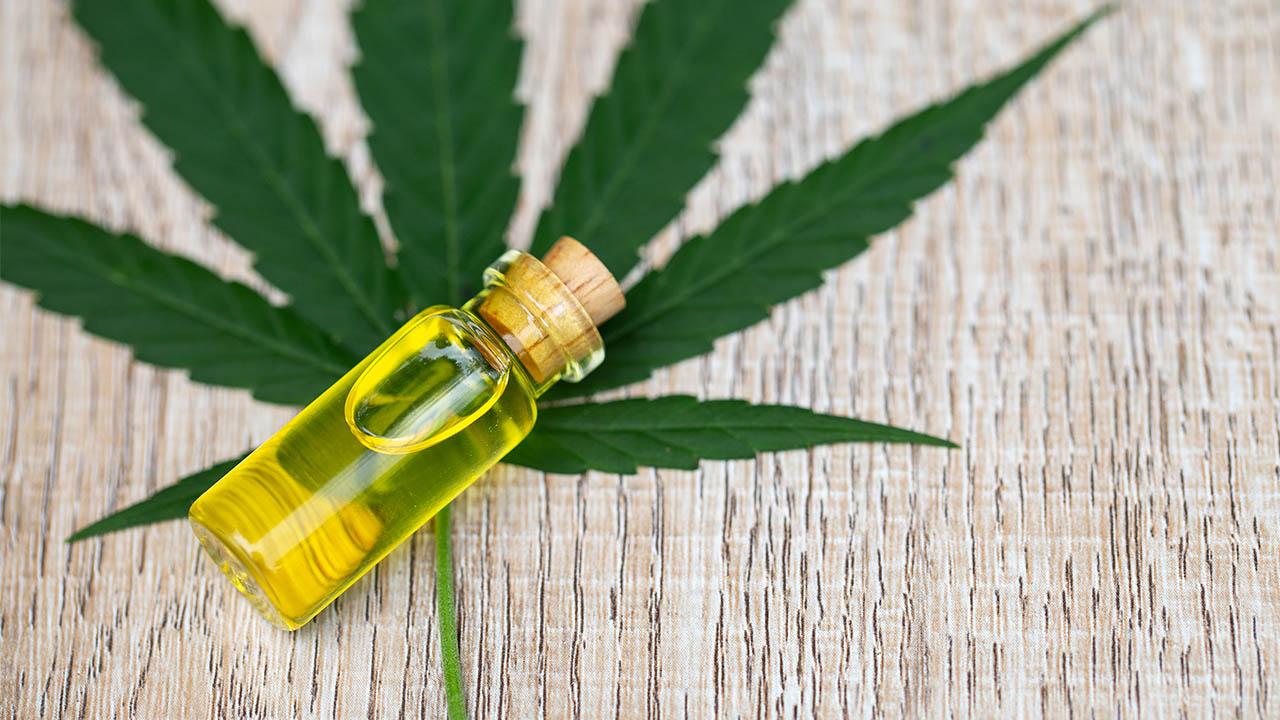
The study, published in Neurotherapeutics, examined NTI164, a full-spectrum medicinal cannabis extract containing less than 0.3% tetrahydrocannabinol (THC), in children with moderate-to-severe autism spectrum disorder (ASD).
Researchers enrolled 61 participants ages 8 to 17 from a pediatric neurology clinic in Victoria, Australia. Participants were randomly assigned to receive either NTI164 or a placebo during an eight-week double-blind phase, with doses of the cannabis extract ranging from 10 to 20 milligrams per kilogram of body weight per day.
A total of 54 participants completed the double-blind portion of the trial and were included in the primary analysis.
On the study’s primary outcome measure, the Clinical Global Impression-Severity scale, children receiving NTI164 experienced significantly greater improvement than those receiving placebo. Researchers calculated a treatment difference equivalent to roughly a one-category improvement on the seven-point scale, with the difference highly statistically significant at p<0.001.
Clinical impressions of overall improvement also favored the cannabis extract. Researchers said participants receiving NTI164 “demonstrated greater clinical improvement compared with those receiving placebo” at eight weeks.
Significant improvements were also observed in adaptive functioning. Researchers said NTI164 produced “statistically significant and clinically meaningful improvements in adaptive behaviour” compared with placebo over eight weeks, with gains across communication, daily living skills, socialization and overall adaptive behavior scores.
Researchers also reported improvements in social responsiveness and affective symptoms, along with reductions in some measures of anxiety. Caregivers reported better family outcomes, with the authors noting “significant improvements over placebo in family experience and quality of life,” particularly in family life and child development, understanding and social relationships.
Participants initially assigned to placebo who subsequently received NTI164 during an open-label phase experienced improvements similar to those observed in the original treatment group.
The treatment was generally well tolerated. Researchers recorded 41 adverse events among 26 participants during the double-blind phase, but all were considered mild, non-serious, temporary and self-resolving. The most frequently reported events included nausea, headaches, abdominal pain and anxiety, and adverse events were distributed similarly between the treatment and placebo groups. No serious adverse events were reported.
The researchers said existing medications used in autism primarily address associated problems such as irritability, agitation and behavioral symptoms rather than the condition’s core features.
“NTI164 significantly improved core and associated symptoms of ASD compared to placebo,” the researchers concluded, adding that improvements reported by both clinicians and caregivers support further clinical development of the cannabis extract for autism.