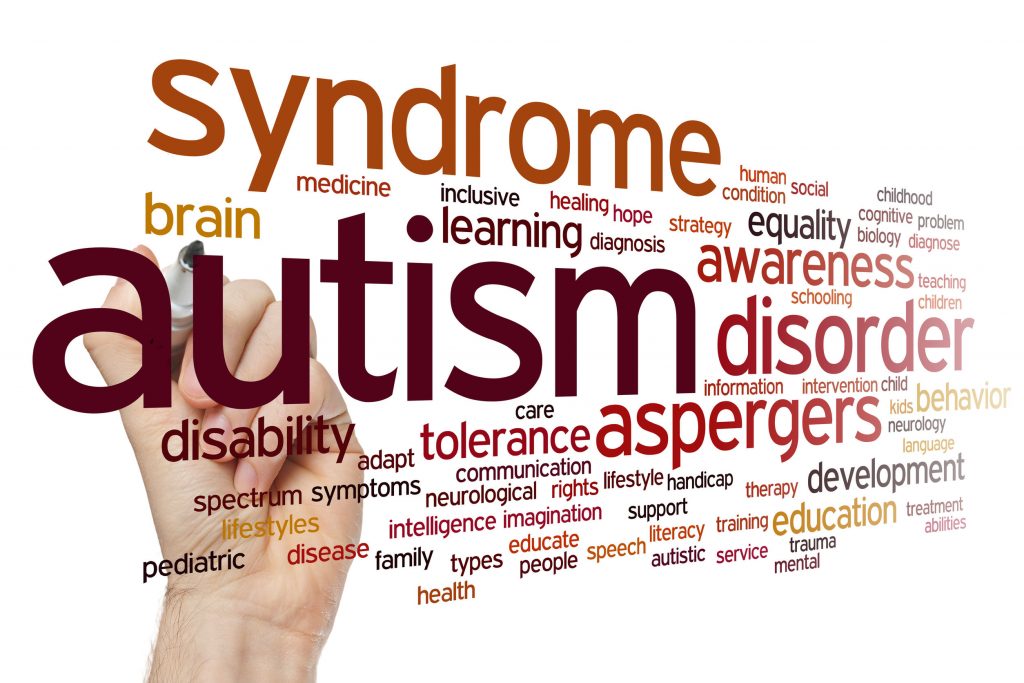
Cannabidiol (CBD) improved social deficits, hyperactivity and repetitive behaviors in a model of autism spectrum disorder (ASD), while also producing measurable changes in brain lipid metabolism and signaling pathways linked to cell survival, according to a study published online today.
The research, published in Psychiatry Research, was conducted by researchers from the Public Health College of Harbin Medical University and the Sixth Affiliated Hospital of Harbin Medical University.
Researchers used a prenatal valproic acid (VPA) model, in which exposure to VPA produces behavioral and neurological changes in rats that are used to study features associated with ASD.
Male offspring exposed to VPA received CBD at a dose of 10 milligrams per kilogram of body weight twice daily for seven days beginning on postnatal day 21. Researchers then evaluated hyperactivity, social interaction and repetitive behaviors while analyzing lipid profiles in the hippocampus.
CBD treatment improved VPA-induced hyperactivity and repetitive behaviors while reducing deficits in social interaction.
Analysis of hippocampal tissue also found that CBD remodeled lipid abnormalities associated with the VPA model. Changes were observed across several major lipid classes, including phosphatidylcholines, lysophosphatidylcholines and sphingomyelins.
Further analysis identified several potential molecular targets associated with the effects, including LDHA, LDHB and PKM, which are involved in energy metabolism, as well as PTGS2 and EPHX2, which are connected to arachidonic acid metabolism.
Researchers also found that CBD altered dysregulated proteins involved in apoptosis, or programmed cell death, with Akt-related signaling potentially playing a role. Molecular docking analysis suggested CBD may interact with several of the identified targets.
The findings are preclinical and come from an animal model, meaning they do not establish that CBD would produce the same effects in people with ASD.
Researchers concluded that CBD’s behavioral effects were accompanied by remodeling of hippocampal lipid metabolism and changes in apoptosis-related signaling, offering preliminary insight into biological mechanisms that could underlie CBD’s effects in models of ASD.



Related posts:
Oregon Marijuana Regulators Seek 75% Fee Increase, Warn of $17.25 Million Shortfall and 53 Potential...
Massachusetts Marijuana Legalization and Repeal Campaigns Raise $5 Million, Spend $4.8 Million in 20...