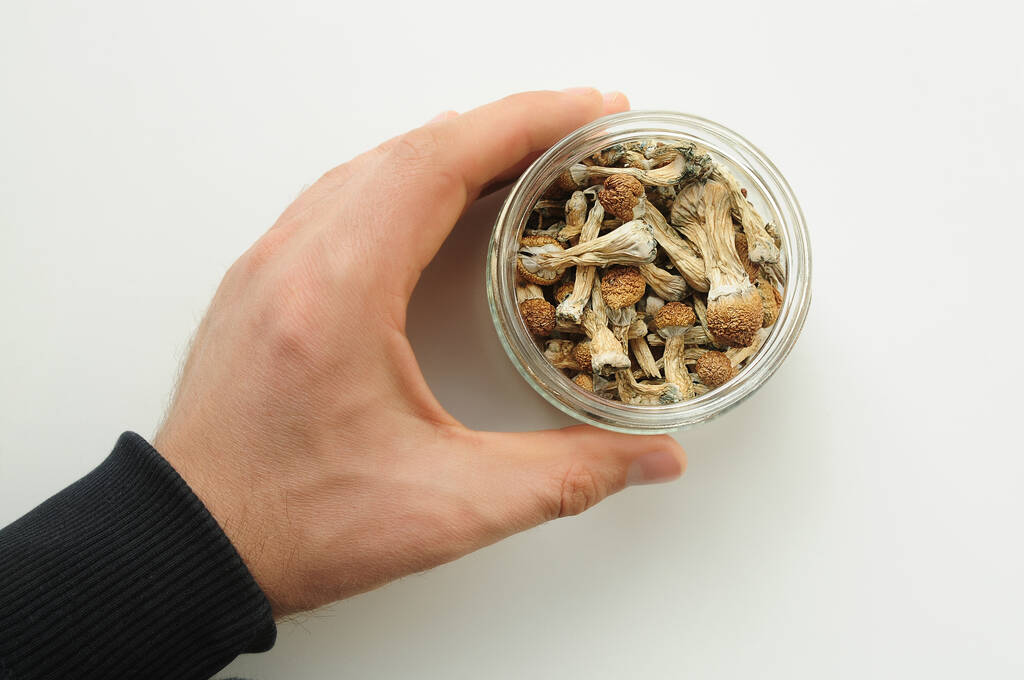
Adults participating in Oregon’s state-regulated psilocybin program reported substantial reductions in depression, anxiety and post-traumatic stress disorder (PTSD) symptoms, along with improved well-being and life satisfaction, according to a new study.
Published by JAMA Network Open, the study was conducted by researchers from Oregon Health & Science University, the VA Portland Health Care System, the Portland Institute for Psychedelic Science, New York University and Legacy Research Institute.
Researchers followed 346 adults who received psilocybin services at 24 of Oregon’s 26 active licensed service centers between November 2024 and March 2026. Participants completed assessments before receiving psilocybin and again at one week, one month and three months afterward.
At three months, the percentage of participants with moderate-to-severe depression symptoms had fallen from 42.2% at baseline to 16.5%. Moderate-to-severe anxiety declined from 45.1% to 13.2%, while moderate-to-severe PTSD symptoms dropped from 48% to 16.8%.
Participants also reported improvements in overall well-being and life satisfaction. The percentage who said they were somewhat or very satisfied with their lives increased from 63% before receiving psilocybin to 83.4% after one month and 82.3% after three months.
At the one-month mark, 92.2% said they benefited from the experience, 89.4% said it helped them view their lives and problems from a broader perspective and 81.6% said their goals had been met. Nearly 59% ranked the experience among the 10 most meaningful experiences of their lives.
The average psilocybin dose was 31.9 milligrams, with doses ranging from 2 to 50 milligrams. About 44% of participants had never previously used psychedelics.
Serious adverse reactions were uncommon but did occur. Four participants, or 1.2%, experienced serious behavioral reactions requiring medical attention. All four were psychedelic-naive and had sought psilocybin services to address mental health symptoms. No serious medical adverse reactions were reported.
Some participants also reported persistent negative effects. At three months, 4.5% reported persistent worsening depression, 2.3% reported persistent worsening anxiety and 1.9% reported new thoughts of dying or suicide. Hallucinogen persisting perception disorder symptoms were reported by 8.7% at three months, although only one participant reported that such symptoms caused significant distress or disruption.
Researchers cautioned that the observational study did not include a control group, meaning the findings cannot establish that psilocybin directly caused the improvements. The sample also represented about 5% of those who received state-regulated psilocybin services in Oregon during the study period.
“In this cohort study, people receiving state-regulated psilocybin services in Oregon experienced few safety events, high satisfaction with services, and overall improvements in mental health, well-being, and life satisfaction in the 3 months following a psilocybin experience,” researchers concluded.



Related posts:
Oregon Marijuana Regulators Seek 75% Fee Increase, Warn of $17.25 Million Shortfall and 53 Potential...
Massachusetts Marijuana Legalization and Repeal Campaigns Raise $5 Million, Spend $4.8 Million in 20...